

What's Happening?
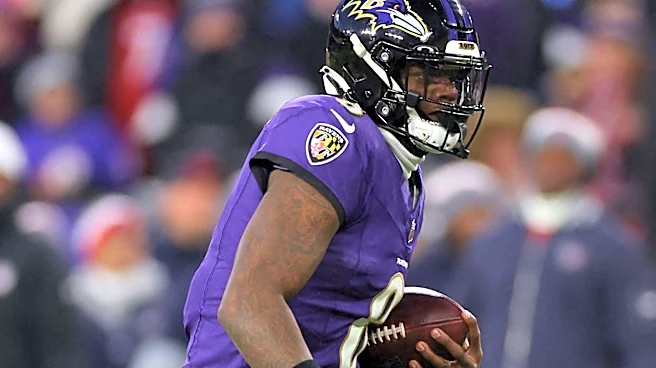
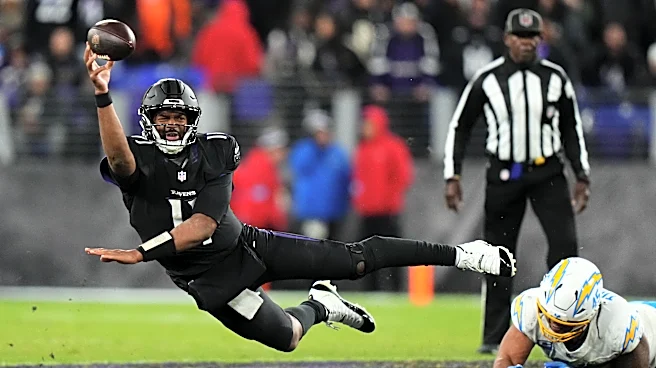
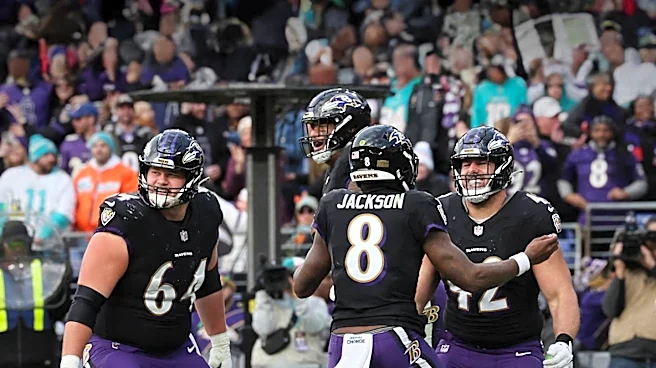
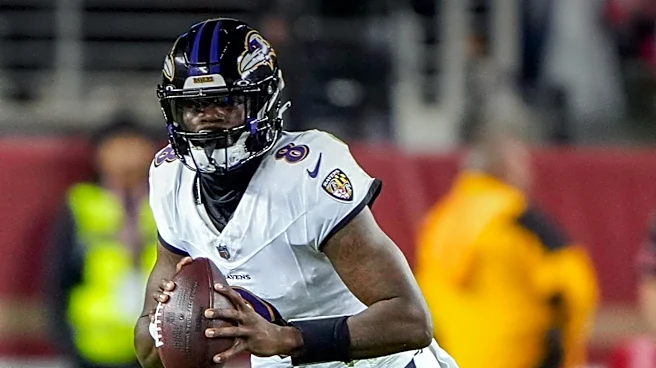
The Baltimore Ravens are projected to be $52.6 million over the salary cap in 2027, primarily due to quarterback Lamar Jackson's $84.34 million cap hit. This financial situation has led some fans to call for owner Steve Bisciotti to overhaul the roster.
General Manager Eric DeCosta faces critical decisions to achieve cap compliance by March 11. Options include signing Jackson to a new deal to push money into future years or making significant roster cuts. The team is evaluating various high-salary players for potential release or contract restructuring. For instance, cutting linebacker Roquan Smith could save $20 million but leave $12.7 million in dead money. Similarly, defensive lineman Nnamdi Madubuike's contract could be restructured to spread bonuses over several years, or cutting him could save $5.8 million while incurring $27.4 million in dead money. The team must navigate complex NFL contract rules, including 'dead money' for guaranteed elements and the ability to designate post-June 1 releases to defer prorated bonuses.
Why It's Important?
The Ravens' salary cap dilemma has significant implications for the team's competitiveness and roster construction in the coming seasons. Being substantially over the cap limits their ability to sign new talent, retain key players, and build a championship-caliber team. The decisions made regarding high-profile players like Lamar Jackson, Roquan Smith, and Nnamdi Madubuike will directly impact the team's on-field performance and long-term financial health. The need to create cap space could force the Ravens to part ways with veteran players, potentially altering team chemistry and experience. This situation highlights the constant financial balancing act NFL franchises face, where past contract decisions directly influence future flexibility and strategic planning. The outcome will affect fan morale, player market values, and the overall competitive landscape of the AFC North.
What's Next?
The Ravens' immediate next step will be to address Lamar Jackson's contract situation, as a new deal could significantly alleviate their 2027 cap issues by spreading out his financial impact. General Manager Eric DeCosta will need to identify which players are most viable for contract restructures or outright release to meet the March 11 cap compliance deadline. Decisions on players like Roquan Smith, Nnamdi Madubuike, and Ronnie Stanley will be crucial, with considerations for their performance, age, and the amount of 'dead money' their release would incur. The team will also explore the strategic use of post-June 1 releases to manage cap hits more effectively. These moves will likely occur during the offseason, leading up to the new league year, and will shape the Ravens' roster for the upcoming season and beyond.
Beyond the Headlines
The Ravens' salary cap challenges underscore a broader trend in the NFL where escalating player salaries and complex contract structures create persistent financial pressures for teams. The concept of 'dead money' and the strategic use of contract restructures often mean teams are paying players who are no longer on their roster, impacting future flexibility. This situation also highlights the tension between fan expectations for immediate success and the long-term financial sustainability of a franchise. The decisions made by owner Steve Bisciotti and General Manager Eric DeCosta will not only affect the Ravens' competitive window but also serve as a case study in managing high-value contracts in a salary-capped league. It reflects the intricate financial engineering required to maintain a competitive team while adhering to league rules, often leading to difficult choices regarding beloved veteran players.