



What's Happening?
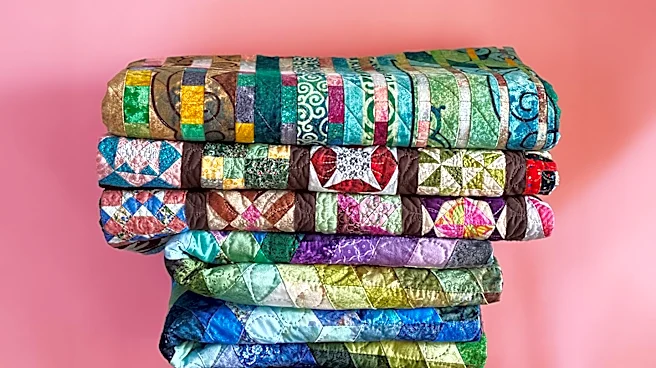
Designer Joseph Altuzarra has partnered with West Elm Kids to release a new quilt collection featuring hand-drawn botanicals. This collaboration aims to integrate fashion, art, and interior design into children's living spaces. The quilt's design is described
as having a fashion print aesthetic rather than a typical children's theme, making it suitable for a wide age range, from toddlers to pre-teens. According to Jess Marinelli, founder and creative director of White Oak Design House, West Elm Kids excels at bringing sophisticated design elements into children's rooms. The collection is noted for its nostalgic appeal, which resonates with millennial parents seeking comfort and familiarity in an unstable time, as stated by Jason Dorsey, president of The Center for Generational Kinetics. The bedding offers a way to refresh a room's look without requiring new furniture, and it is designed to be a memorable item for children as they grow.
Why It's Important?
This collaboration highlights a growing trend in the children's product market where high-end fashion and interior design converge. It signifies a shift towards more sophisticated and design-conscious options for children's spaces, moving beyond traditional, overtly childish themes. For West Elm Kids, partnering with a designer like Joseph Altuzarra elevates their brand perception and attracts a demographic of millennial parents who prioritize aesthetics and quality. This trend also reflects the purchasing power and preferences of millennial parents, who are willing to invest in products that offer both nostalgic value and a modern, elevated design. The emphasis on versatility and longevity, where a quilt can appeal to a child from age 2 to 12, suggests a consumer desire for durable and adaptable products that offer long-term value, potentially influencing future product development in the children's home goods sector.
What's Next?
The success of collaborations like Altuzarra's with West Elm Kids may encourage more designers from the fashion and art industries to venture into children's home furnishings and apparel. This could lead to an increased availability of design-forward options for children's products, further blurring the lines between adult and children's aesthetics in home decor. Retailers may continue to seek out partnerships that tap into the millennial parent demographic's desire for nostalgia combined with modern design. Consumers can anticipate a broader range of elevated, stylish, and durable products for children's rooms, moving away from purely thematic or short-lived trends. The focus on items that can grow with a child might also influence manufacturing and marketing strategies, emphasizing sustainability and long-term utility.
Beyond the Headlines
The trend of designer collaborations in children's products reflects broader cultural shifts in parenting and consumerism. Millennial parents, often characterized by their desire for authenticity and curated lifestyles, are extending these values to their children's environments. This movement suggests a rejection of disposable children's items in favor of pieces that are both aesthetically pleasing and durable, potentially becoming heirlooms. Ethically, this trend could encourage more sustainable practices in manufacturing, as products designed for longevity may reduce waste. Culturally, it signifies a growing appreciation for design and art from an early age, potentially influencing children's aesthetic sensibilities. The integration of fashion and art into everyday children's items also blurs traditional boundaries between different creative industries, fostering interdisciplinary collaborations and innovations.