









What's Happening?
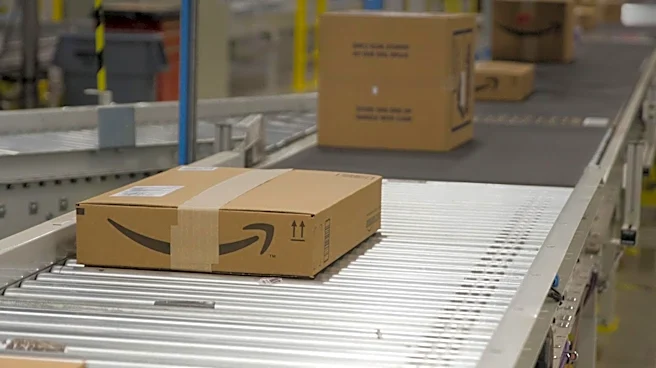
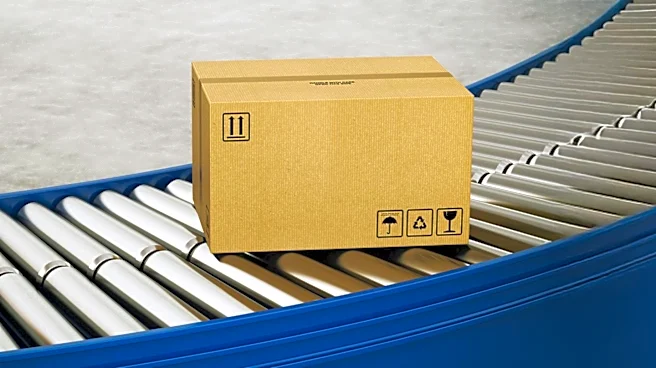
UPS is advancing its package tracking capabilities by integrating radio frequency identification (RFID) technology across its U.S. small package network. This initiative aims to replace traditional barcode scanning with automated sensing, providing continuous
visibility of packages from pickup to delivery. The RFID rollout is a significant investment, with UPS spending over $100 million to implement this technology. The system is now operational in delivery vehicles, facilities, and on packages shipped through more than 5,500 UPS Store locations. This shift from manual scanning to automated sensing is expected to improve data accuracy and reduce blind spots in logistics operations, particularly in high-volume environments.
Why It's Important?
The implementation of RFID technology by UPS represents a major advancement in logistics and supply chain management. By enhancing package visibility and tracking accuracy, UPS can offer more reliable and efficient services to its customers. This technological upgrade is crucial for maintaining competitiveness in the logistics industry, where speed and accuracy are paramount. The move also reflects a broader trend towards automation and digital transformation in supply chains, which can lead to cost savings and improved customer satisfaction. For businesses relying on UPS for shipping, this development could mean fewer lost packages and more precise delivery estimates, ultimately enhancing their operational efficiency.
What's Next?
As UPS continues to integrate RFID technology, other logistics companies may follow suit, leading to widespread adoption of automated tracking systems. This could drive further innovation in the industry, with companies exploring additional uses for RFID and other emerging technologies. The success of this initiative may also encourage UPS to expand RFID implementation to other areas of its operations, potentially setting new standards for package tracking and logistics management. Stakeholders, including businesses and consumers, will likely monitor the impact of this technology on delivery times and service reliability.