







What's Happening?
LHG Mining is conducting a trial at the Port of Rosario to assess its viability as an alternative site for barge unloading operations. This initiative is part of the company's river logistics project, which primarily uses the port of Nueva Palmira. The
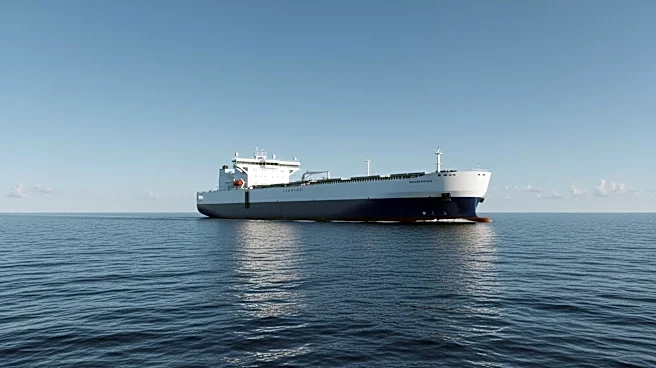
AAL Hamburg vessel recently arrived at Rosario, carrying 12 barges and four sets of barge covers. This marks the tenth barge discharge operation for LHG Mining, but the first at Rosario, aimed at determining if the port can serve as a backup when Nueva Palmira faces berth availability issues. According to Pablo Zengarini, an international logistics specialist at LHG Mining, the trial is driven by operational needs rather than a strategic shift. The company seeks to evaluate Rosario's handling times and logistical advantages due to its proximity to Corumbá, the main destination for the barges.
Why It's Important?
The trial at the Port of Rosario is significant as it could provide LHG Mining with greater logistical flexibility and reduce dependency on Nueva Palmira. This is particularly important when Nueva Palmira is congested, which can lead to costly delays for project cargo vessels. By potentially incorporating Rosario into its logistics network, LHG Mining could enhance its operational efficiency and reduce exposure to such delays. This move could also influence the broader logistics and shipping industry by demonstrating the benefits of having multiple operational ports, thereby encouraging other companies to adopt similar strategies. Additionally, the trial could boost Rosario's role in handling project cargo, diversifying its operations beyond its current focus on containers, agricultural cargo, and industrial goods.
What's Next?
Following the trial, LHG Mining will assess the operational times, logistics performance, and any cost or time advantages offered by the Port of Rosario. This evaluation will determine whether Rosario can be used as a 'Plan B' for future shipments. The company will continue to prioritize Nueva Palmira but may opt for Rosario when conditions necessitate. The broader logistics program includes plans to add 400 barges and tugboats by 2028, doubling the current fleet and strengthening the link between mining production and river logistics. The outcome of this trial could influence future decisions regarding port usage and logistics strategies.
Beyond the Headlines
The trial at Rosario highlights the complexities involved in expanding logistics operations, such as obtaining permits, coordinating personnel, and planning in advance. This initiative reflects a broader trend in the logistics industry towards flexibility and adaptability in response to operational challenges. If successful, the trial could set a precedent for other companies to explore alternative ports, potentially reshaping regional logistics networks. Additionally, the involvement of Rosario in such operations could stimulate local economic activity and infrastructure development, further integrating the port into international logistics chains.