



What's Happening?
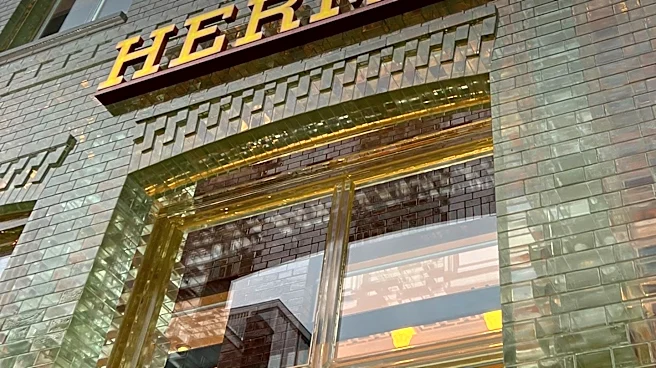
Hermès has been named the world's most valuable luxury brand for the first time, according to Interbrand's Best Global Brands 2026 report. The French luxury house's brand value increased by 10.6 percent, reaching $45.2 billion, which placed it at No.
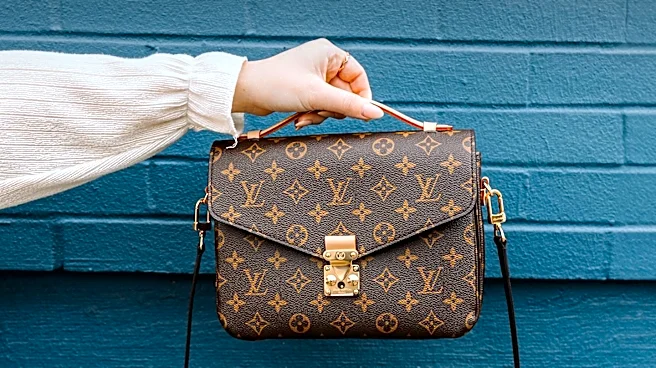
15 in the global top 20. This marks a significant shift as Louis Vuitton, which previously held the top spot, saw its brand value decline by 6.9 percent to $45.1 billion, falling to No. 16. The difference in brand value between the two luxury giants is now only $100 million. Interbrand attributes Hermès' ascent to its commitment to craftsmanship, controlled scarcity of products, and unique brand experiences like 'Hermès in the Making.' The report highlights that Hermès' strategic restraint, supported by its family ownership structure, acts as a commercial strength. Other luxury brands showed varied performance, with Chanel growing by 8.1 percent to $32.9 billion, while Gucci experienced the steepest decline, with its brand value falling by 30.7 percent to $8.1 billion.
Why It's Important?
This shift in luxury brand valuation signifies a broader trend within the high-end market, where authenticity, controlled supply, and strong customer relationships are becoming more critical than sheer scale or legacy. Hermès' success underscores that in a demanding consumer landscape, brands that prioritize unique experiences and maintain exclusivity are better positioned for growth. The decline of brands like Gucci, despite efforts to reset creative direction, indicates that relying solely on heritage or past momentum is no longer sufficient to guarantee market leadership. This polarization in the luxury sector suggests that consumers are increasingly discerning, valuing brands that offer clear meaning and coherence. For the U.S. market, this trend could influence retail strategies, with luxury brands potentially focusing more on curated experiences and targeted expansion into affluent suburban areas rather than solely relying on traditional gateway cities, as noted by Savills' report on America's expanding luxury map.
What's Next?
The luxury market is expected to continue its period of polarization, with brands that demonstrate clear meaning, coherence, and authenticity likely to pull ahead. Brands that have relied on legacy and scale may need to re-evaluate their strategies to remain competitive. This could lead to further consolidation or strategic shifts in product offerings and retail footprints. For Hermès, maintaining its strategy of controlled scarcity and emphasizing craftsmanship will be crucial to sustaining its top position. Other luxury brands, particularly those experiencing declines, may undertake significant creative and operational overhauls to regain desirability and market share. The focus on direct customer relationships and unique brand experiences is likely to intensify across the sector, influencing marketing investments and retail development plans. We may also see continued investment in digital engagement and personalized services to cater to the evolving preferences of affluent consumers.
Beyond the Headlines
The rise of Hermès to the top of the luxury brand hierarchy reflects a deeper cultural and economic shift where consumers, particularly in the ultra-luxury segment, are seeking more than just status symbols. They are increasingly valuing intrinsic quality, artisanal heritage, and a sense of exclusivity that comes from controlled production and distribution. This trend challenges the traditional mass-market luxury model that emphasized broad accessibility and rapid expansion. Ethically, Hermès' approach of prioritizing craftsmanship over mass production could be seen as a more sustainable model, fostering skilled labor and reducing overconsumption. Legally, the brand's tight control over its supply chain and distribution channels helps combat counterfeiting and maintain brand integrity. Culturally, the Birkin bag's status as a collectible asset, often appreciating in value, highlights a shift in luxury goods from mere fashion items to investment pieces, further cementing Hermès' unique position in the global luxury landscape.