

What's Happening?
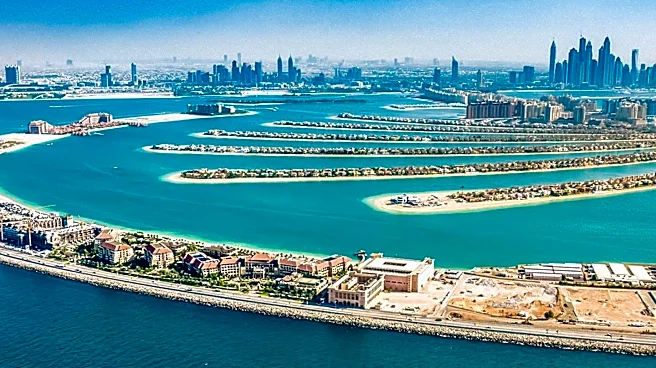
Some of the world's largest investment firms, including Blackstone and Pacific Investment Management Co (PIMCO), are increasing their focus on deploying capital across the Middle East. This comes as governments in the Gulf region are opening up more infrastructure
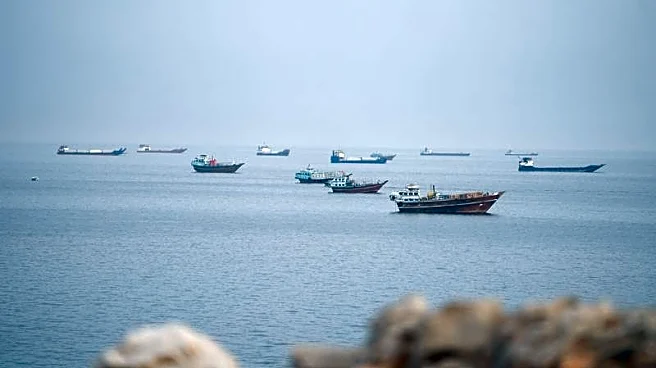
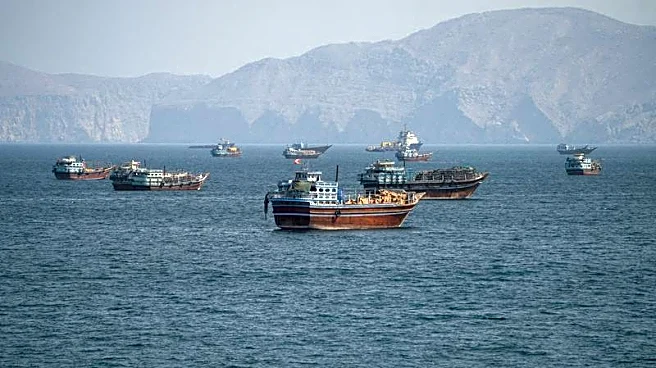
projects to outside investors. Blackstone has significantly increased its investment in the region over the past year, while PIMCO sees opportunities in financing projects related to digital infrastructure and transport. According to Christian Stracke, PIMCO Managing Director and President, the region's substantial capital expenditure needs cannot be met solely by local banks and traditional government funding, creating significant opportunities for private capital. This investment drive is occurring against a backdrop of heightened security concerns, particularly following the Iran war, which has exposed the Gulf's dependence on the Strait of Hormuz and the vulnerability of its shipping and energy infrastructure, thereby increasing the urgency to develop alternative routes and facilities.
Why It's Important?
This strategic move by major U.S. investment firms like Blackstone and PIMCO into the Gulf's infrastructure sector signifies a significant shift in global capital flows and investment priorities. For U.S. financial markets, it represents a new avenue for deploying large-scale capital, potentially generating substantial returns for investors. The involvement of private capital is crucial for the Gulf region's ambitious development plans, which include projects to enhance energy security, diversify economies, and build advanced digital and transport networks. This influx of foreign investment can stimulate economic growth, create jobs, and foster technological advancements in the region. However, the heightened security risks and geopolitical instability in the Middle East also introduce a layer of complexity and potential risk for these investments, requiring careful assessment of the risk-reward profile. The U.S. stands to benefit from increased economic ties and stability in a strategically important region, but also faces the challenge of managing potential geopolitical fallout.
What's Next?
The trend of international asset managers targeting the Gulf's infrastructure buildout is expected to continue, with more projects likely to be opened to private investors. Gulf countries, such as the UAE, are actively seeking third-party capital for energy, industrial, and infrastructure projects, including port expansions and AI initiatives. Governments in the region will need to demonstrate that the returns on these projects justify the inherent risks, especially given the global cost of capital. The ongoing geopolitical situation, particularly the Iran war and its implications for regional security, will remain a critical factor influencing investment decisions. Success in these ventures could pave the way for further collaboration between U.S. financial institutions and Gulf nations, potentially leading to a deeper integration of their economies and financial markets.
Beyond the Headlines
The engagement of U.S. investment giants in the Gulf's infrastructure development goes beyond mere financial transactions; it reflects a broader geopolitical and economic realignment. The push for alternative routes and facilities, driven by security concerns around the Strait of Hormuz, highlights the strategic importance of resilient infrastructure in maintaining global trade and energy flows. This development could also accelerate the adoption of advanced technologies, such as AI and digital infrastructure, in the Middle East, fostering innovation and potentially creating new markets for U.S. tech companies. Furthermore, the shift from government-led financing to private capital in the region could set a precedent for other emerging markets, influencing global development finance models. The ethical considerations around investing in regions with complex geopolitical landscapes and varying labor standards will also be a continuous point of discussion.