







What's Happening?
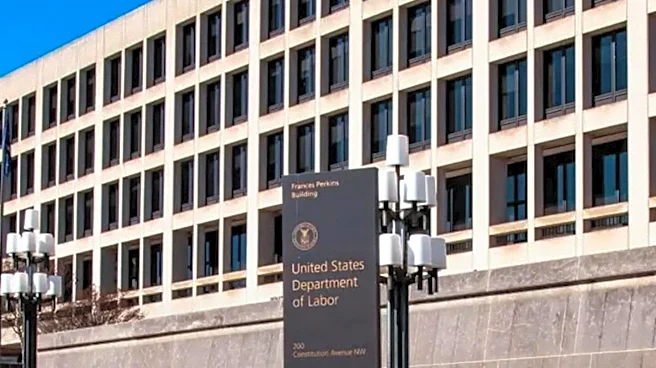
On November 19, 2026, the U.S. Department of Labor (DOL) announced its final rule regarding independent contractor classification under the Fair Labor Standards Act (FLSA). This new rule rescinds the Biden-era regulation that took effect in March 2024
and reinstates an analysis substantially similar to the framework adopted in January 2021 during the final days of the President Trump administration. The rule, which will become effective 60 days after its publication in the Federal Register, focuses on economic dependence as the ultimate inquiry, determining whether an individual is economically reliant on a potential employer for work (employee) or operates as an independent business owner (independent contractor). It identifies five non-exhaustive factors, with 'nature and degree of control over the work' and 'opportunity for profit or loss' being the two core factors that typically carry greater weight in the analysis. The DOL's decision follows a series of regulatory changes and legal challenges concerning independent contractor definitions.
Why It's Important?
This regulatory shift by the DOL has significant implications for businesses and workers across the U.S. The return to the 2021 framework, which emphasizes two core factors, aims to provide a clearer and potentially more employer-friendly standard for classifying independent contractors compared to the broader 'totality of the circumstances' analysis of the 2024 rule. This could reduce compliance burdens for companies that rely heavily on contract labor, such as those in the gig economy, by offering more predictable classification guidelines. Conversely, it may impact workers who previously sought employee status under the 2024 rule, potentially limiting access to benefits and protections associated with employment. The rule also explicitly invokes Section 10 of the Portal-to-Portal Act, offering employers a complete defense against FLSA minimum wage and overtime liability if they act in good faith conformity with the rule, providing a degree of certainty amidst ongoing legal debates.
What's Next?
The new rule is expected to take effect 60 days after its publication in the Federal Register. However, further litigation is anticipated, as the DOL itself acknowledges that courts are the final arbiters of the law. While the DOL has crafted this rule with the Supreme Court's decision in Loper Bright Enterprises v. Raimondo in mind, aiming to enhance its persuasive power in the eyes of federal judges, circuit precedent will still control in many cases. Employers are advised to review their worker classification practices in light of this new rule and document their decisions to potentially leverage the Portal-to-Portal Act defense. State laws, particularly those with more stringent 'ABC tests' like California, Massachusetts, and New Jersey, remain unaffected, and employers must adhere to whichever standard offers workers the greatest protection.
Beyond the Headlines
The continuous back-and-forth in independent contractor regulations highlights a fundamental tension in the modern U.S. labor market between business flexibility and worker protections. This latest rule reflects a policy preference that leans towards enabling businesses to utilize independent contractors more readily, potentially fostering innovation and reducing labor costs. However, it also raises questions about the long-term implications for worker welfare, including access to health insurance, retirement benefits, and minimum wage protections. The DOL's explicit rejection of certain aspects of the 2024 rule, such as the relevance of an employer's investments in platforms for gig workers, signals a significant philosophical shift in how economic reality is assessed. This ongoing regulatory instability underscores the need for a more durable legislative solution to worker classification that can provide clarity and balance for both businesses and the workforce.