





What's Happening?
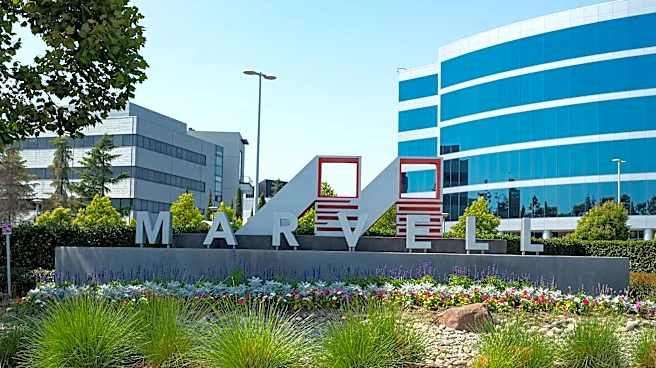
Marvell Technology, Inc. (NASDAQ: MRVL) shares have experienced a significant decline of approximately 39% over the past 30 days, falling from $245.28 on October 14, 2026, to around $149.94 by November 13, 2026. This sharp drop was primarily triggered
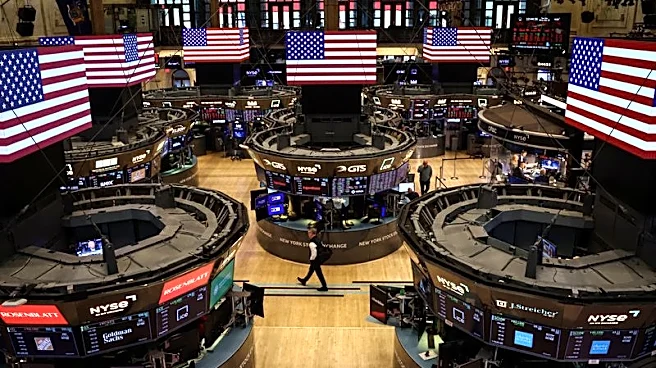
by the announcement on November 2, 2026, of an all-stock agreement to acquire Lumentum Holdings (LITE) for an estimated enterprise value of $115 billion. The proposed transaction, which would result in Lumentum stockholders owning about 33% of the combined company, raised concerns among investors regarding dilution and valuation. The decline was further exacerbated by a broader market selloff in October affecting artificial intelligence (AI) and semiconductor stocks, as investors began to question the sustainability of AI infrastructure spending. Marvell, a fabless semiconductor company, specializes in data infrastructure solutions, including custom application-specific integrated circuits, Ethernet and optical networking chips, and storage controllers, and has positioned itself as a key supplier for AI infrastructure.
Why It's Important?
The substantial drop in Marvell Technology's stock price highlights investor sensitivity to large-scale acquisitions and potential dilution, even when the acquiring company is strategically positioned in a high-growth sector like AI. The all-stock nature of the Lumentum deal, implying significant new share issuance and an estimated 49% dilution for existing Marvell shareholders, directly impacted investor confidence. While Marvell's management projects over $1 billion in annual cost synergies and expects the transaction to be accretive to non-GAAP earnings per share in its first year, the immediate market reaction underscores concerns about integration risks and the sheer scale of the deal. This event also reflects a broader market re-evaluation of AI and semiconductor stocks, suggesting that the rapid pace of AI infrastructure spending is under scrutiny, potentially affecting other companies heavily invested in this domain. The outcome of this acquisition and its integration will be a critical test for Marvell's ability to leverage its AI infrastructure positioning effectively.
What's Next?
Investors will closely monitor several key factors in the coming months. Marvell's upcoming quarterly earnings report and any updated guidance for its data-center and custom silicon businesses will be crucial, as these are the company's primary growth engines. The trajectory of AI infrastructure spending by hyperscale cloud providers will also remain a critical indicator, given Marvell's significant exposure to this capital expenditure cycle. The Lumentum transaction itself will proceed through several milestones, including shareholder votes at both companies, regulatory review, and the filing of a joint proxy statement and Form S-4, which will provide more detailed financial and dilution information. The deal is anticipated to close in the first half of calendar year 2028. Additionally, broader macroeconomic conditions, interest rate expectations, and overall sentiment towards semiconductor valuations will continue to influence Marvell's stock performance.
Beyond the Headlines
The Marvell-Lumentum acquisition and the subsequent market reaction reveal a deeper tension within the technology sector: the balance between aggressive strategic expansion into high-growth areas like AI and the financial prudence demanded by investors. While Marvell aims to bolster its AI capabilities with Lumentum's optical networking expertise, the immediate investor backlash suggests a cautious approach to growth-by-acquisition, especially when it involves significant shareholder dilution. This scenario could prompt other companies in the AI infrastructure space to reconsider their growth strategies, potentially favoring organic growth or smaller, less dilutive acquisitions. The event also underscores the speculative nature of the current AI boom, where even well-positioned companies face scrutiny over the long-term sustainability of their growth projections and the financial implications of their strategic moves. It highlights a potential shift from unbridled enthusiasm to a more measured assessment of value and risk in the AI market.