









What's Happening?
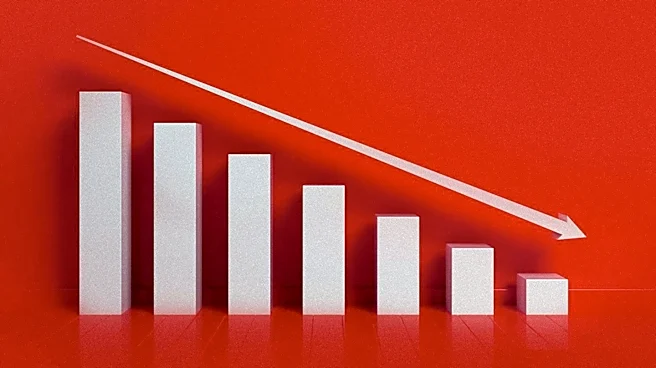
Recent data indicates a significant slowdown in U.S. job growth for June, with payroll gains for the previous two months being revised downward. The unemployment rate decreased slightly to 4.2% from 4.3% in May, attributed to a reduction in the labor
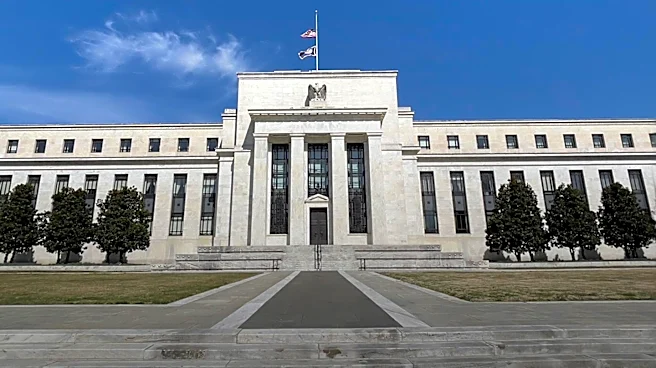
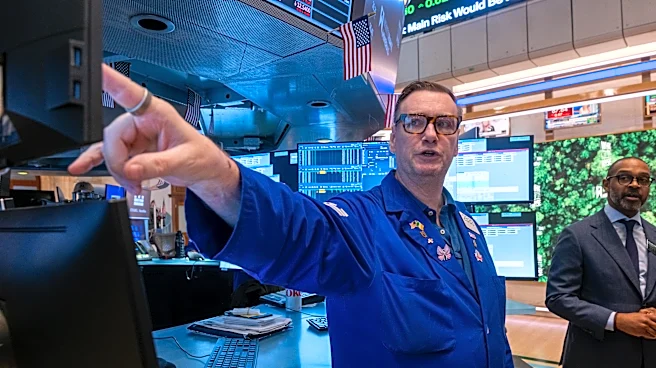
force participation rate, which has reached its lowest level in over five years. This cooling in the labor market has tempered expectations for an imminent interest rate hike by the Federal Reserve. The tepid job data has led to a reassessment of the likelihood of the Fed maintaining current interest rates, with futures markets now pricing a 46.8% probability of rates remaining steady at the upcoming September meeting. This development has contributed to a rise in global stock markets, as investors adjust their expectations regarding U.S. monetary policy.
Why It's Important?
The slowdown in job growth and the subsequent easing of rate hike fears have significant implications for the U.S. economy and global financial markets. A stable interest rate environment could support continued economic expansion by making borrowing more affordable for businesses and consumers. This scenario is particularly beneficial for sectors sensitive to interest rates, such as housing and consumer goods. Additionally, the cooling labor market may alleviate some inflationary pressures, which have been a concern for policymakers. However, the reduced labor force participation rate highlights ongoing challenges in the labor market, potentially impacting long-term economic growth. Investors are closely monitoring these developments, as they influence market sentiment and investment strategies.
What's Next?
Looking ahead, the Federal Reserve's upcoming meetings will be pivotal in determining the direction of U.S. monetary policy. Market participants will be keenly observing further economic data releases, particularly those related to employment and inflation, to gauge the Fed's potential actions. Any signs of persistent inflation or a rebound in job growth could reignite discussions about rate hikes. Additionally, the global economic landscape, including geopolitical tensions and supply chain disruptions, will continue to play a role in shaping monetary policy decisions. Stakeholders across various sectors will need to remain agile in response to these evolving economic conditions.