





What's Happening?
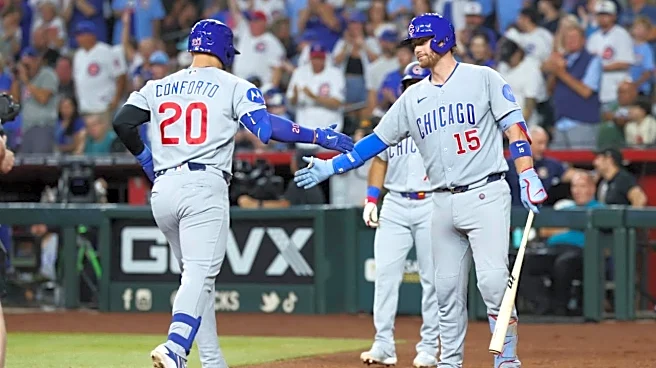
Mark Harris, a writer for OutKick, reported on a controversial play during a baseball game between the Chicago Cubs and the Arizona Diamondbacks. Cubs player Pete Crow-Armstrong became irate after umpires missed a crucial balk call in the top of the sixth
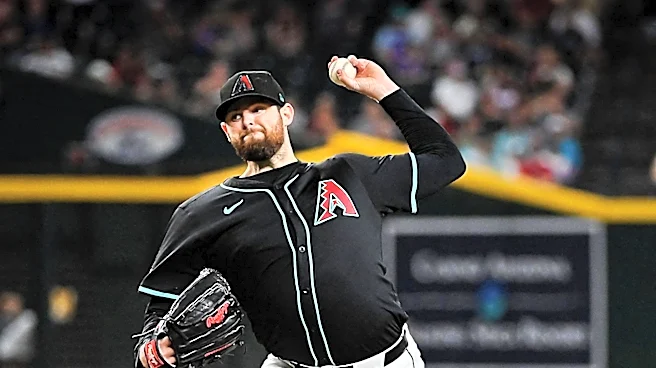
inning. Crow-Armstrong, who was on third base, believed Arizona starting pitcher Eduardo Rodriguez had balked, which would have allowed him to score and give the Cubs the lead. Despite Crow-Armstrong's protests and intervention from the Cubs' third base coach, Quintin Berry, and manager Craig Counsell, the umpires huddled and determined there was no balk. Crew chief Alfonso Márquez later admitted after the game that a balk should have been called, stating, "We just didn’t see it." The Diamondbacks went on to win the game 2-0, scoring in the sixth and eighth innings. This loss further tightened the Cubs' lead in the National League Wild Card standings.
Why It's Important?
This incident highlights the significant impact of officiating errors in professional sports, particularly in critical moments of a game. A missed call, such as the balk in this instance, can directly influence the outcome, potentially altering team standings and playoff races. For the Chicago Cubs, this missed call contributed to a loss that reduced their comfortable lead in the National League Wild Card standings to just two games. Such events can lead to increased scrutiny of umpire performance and calls for greater accountability or technological assistance in making accurate decisions. The admission by the crew chief post-game underscores the human element of officiating and the challenges of making instantaneous, correct calls under pressure, which can have tangible consequences for teams, players, and fans.
What's Next?
Following the admitted officiating error, there may be continued discussions within Major League Baseball regarding umpire training, review processes, and the potential for expanded use of replay or other technological aids to ensure accurate calls. While no ejections occurred during the game despite the heated exchange, the incident could fuel ongoing debates about the balance between human judgment and technological intervention in sports officiating. For the Cubs, the immediate focus will be on recovering from this loss and maintaining their position in the Wild Card race, as their lead has significantly narrowed. The team will need to regroup and perform consistently to secure a playoff spot, with every game's outcome becoming increasingly critical.
Beyond the Headlines
The controversy surrounding the missed balk call extends beyond the immediate game result, touching upon broader themes of fairness, integrity, and the emotional investment in sports. Such incidents can erode fan confidence in the officiating system and spark passionate debates among supporters and analysts. The human element of error, even when acknowledged, can leave a lasting impression on players and teams, potentially affecting morale and future performance. This event also underscores the intense pressure on professional athletes and officials alike, where split-second decisions can have far-reaching implications for careers and team legacies. It serves as a reminder of the inherent drama and unpredictability that human error introduces into competitive sports.