



What's Happening?
A new travel trend, termed 'townsizing,' is emerging where tourists are increasingly choosing smaller towns over traditional large tourist centers. This shift is particularly noticeable in Sweden, where destinations like Trollhättan, Strömsund, and Hudiksvall
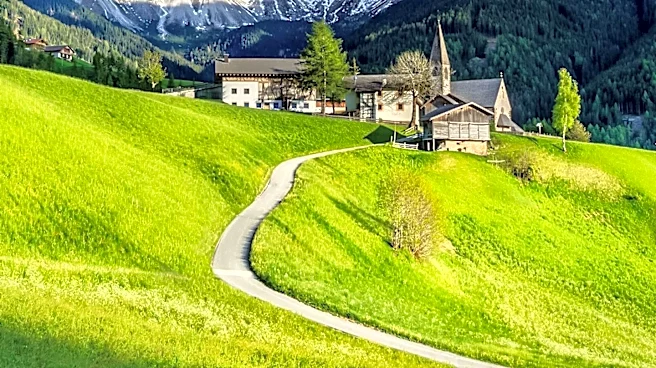
are experiencing a rapid surge in interest. Searches for these smaller locations have increased by over 40 percent compared to the previous summer, according to Airbnb data. This trend is also observed by Visit Sweden, which notes a growing international recognition of Sweden and other Nordic countries for their milder summer climates. Airbnb further reports an increase in bookings for lakeside, countryside, and camping-like accommodations, indicating a preference for more rural and serene experiences. While major cities like Stockholm and Gothenburg still lead in international Airbnb user preferences, the growing appeal of smaller towns signifies a notable change in tourist behavior.
Why It's Important?
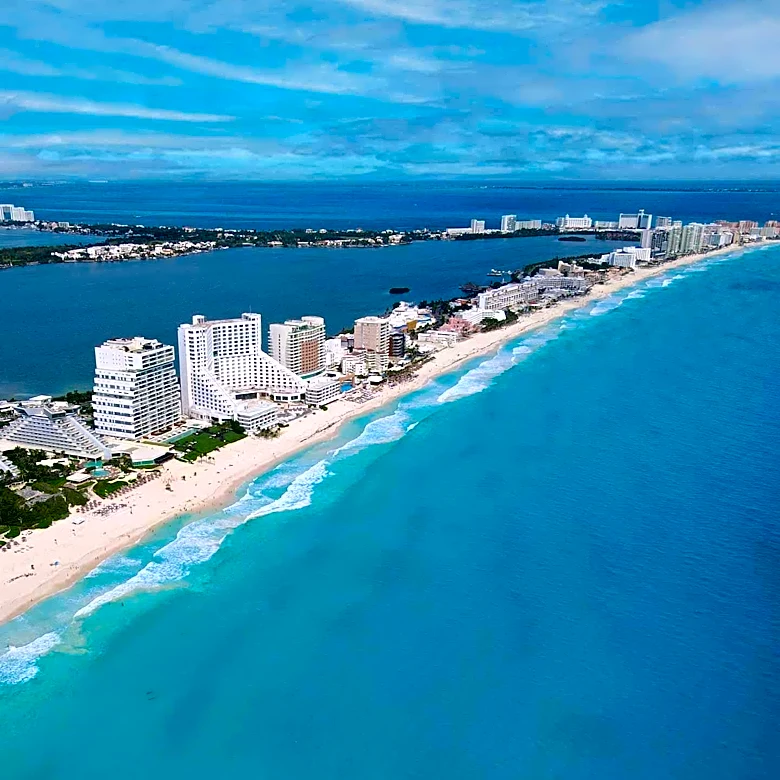
The townsizing trend signifies a broader shift in consumer preferences within the tourism industry, moving away from crowded urban centers towards more intimate and nature-oriented experiences. This has significant implications for local economies in smaller towns, potentially boosting their tourism sectors and creating new opportunities for local businesses, hospitality providers, and service industries. For larger, established tourist destinations, this trend could lead to a re-evaluation of their marketing strategies and a need to diversify their offerings to maintain visitor numbers. Environmentally, a dispersal of tourists to smaller areas might alleviate some of the pressures of overtourism on popular sites, though it could also introduce new challenges for infrastructure and resource management in previously less-visited regions. The emphasis on 'coolcations' also highlights a growing awareness of climate change among travelers, influencing their destination choices and potentially driving demand for sustainable tourism practices.
What's Next?
As the townsizing trend gains momentum, tourism boards and local governments in smaller towns are likely to invest more in developing their infrastructure and promoting their unique attractions to cater to this growing demand. This could include enhancing local amenities, improving transportation links, and creating more diverse accommodation options, such as eco-lodges or glamping sites. Businesses in these areas may see increased opportunities for growth, leading to job creation and economic development. Conversely, major tourist hubs might need to innovate to retain their appeal, possibly by focusing on niche markets, cultural events, or sustainable urban tourism initiatives. The travel industry as a whole will likely adapt by offering more tailored packages that highlight the charm and tranquility of smaller destinations, further solidifying townsizing as a significant and lasting travel trend.
Beyond the Headlines
The townsizing trend reflects a deeper societal yearning for authenticity, tranquility, and a connection with nature, moving beyond the superficial allure of bustling city life. This shift could foster a greater appreciation for local cultures, traditions, and natural landscapes in smaller communities, potentially leading to more meaningful and immersive travel experiences. It also raises questions about the long-term sustainability of tourism, as smaller towns may not have the existing infrastructure to handle a sudden influx of visitors without careful planning. The trend could encourage a more equitable distribution of tourism benefits, empowering local communities and reducing economic disparities between urban and rural areas. Furthermore, it underscores a growing environmental consciousness among travelers, who are increasingly seeking destinations that offer cooler climates and a reduced ecological footprint, signaling a potential paradigm shift in global tourism towards more responsible and mindful travel.