


What's Happening?
The anti-aging skincare market is increasingly focusing on ingredients like peptides, vitamin C, bakuchiol, and hydrating components such as hyaluronic acid and ceramides. These ingredients are highlighted for their ability to improve the appearance of
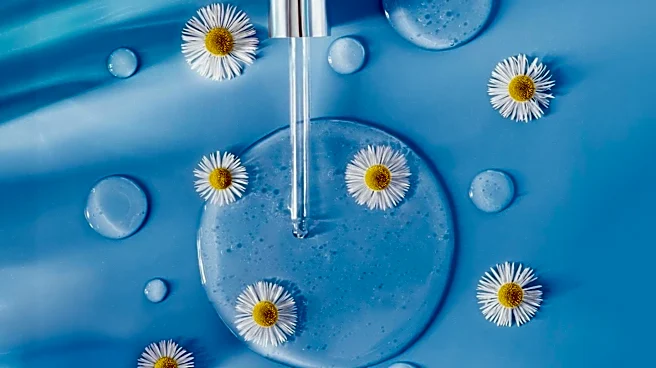
fine lines, wrinkles, uneven tone, and loss of firmness. Peptides, specifically, are noted for supporting firmer, smoother-looking skin by acting as amino acid chains that signal collagen production. Vitamin C, an antioxidant, is valued for brightening skin, improving tone, and supporting collagen synthesis. Bakuchiol is presented as a plant-derived alternative to retinol, aiming to smooth skin without the potential irritation of traditional retinoids. Hydrating ingredients are considered foundational, as they plump the skin and make fine lines less noticeable. The industry emphasizes a simple, consistent routine, starting with sunscreen and moisturizer, followed by targeted serums.
Why It's Important?
The shift towards scientifically backed ingredients like peptides and advanced hydrating agents in anti-aging skincare reflects a growing consumer demand for effective and gentle solutions. This trend impacts the U.S. beauty and cosmetics industry by driving innovation in product development and marketing strategies. Companies that can effectively formulate and communicate the benefits of these ingredients are likely to gain market share. For consumers, this means a wider array of products designed to address specific aging concerns with potentially fewer side effects compared to more aggressive treatments. The emphasis on consistency and foundational skincare (sunscreen, moisturizer) also promotes healthier skin habits, which can have long-term benefits for public health by reducing sun damage and maintaining skin barrier integrity. This approach also caters to individuals with sensitive or acne-prone skin, offering anti-aging benefits without exacerbating other skin conditions.
What's Next?
The anti-aging skincare market is expected to continue its trajectory of innovation, with ongoing research into new peptides, antioxidants, and delivery systems to enhance efficacy. Consumers can anticipate a proliferation of products featuring these key ingredients, often combined in synergistic formulations. There will likely be increased educational efforts from brands to inform consumers about the science behind these ingredients and how to integrate them into a daily routine. The demand for 'clean' and plant-derived alternatives, like bakuchiol, is also likely to grow, pushing manufacturers to explore sustainable and natural sources. Furthermore, the integration of anti-aging solutions with broader wellness trends, such as personalized skincare and holistic health, could shape future product offerings and consumer engagement strategies.
Beyond the Headlines
Beyond the immediate product trends, the focus on ingredients like peptides and advanced hydration signifies a broader cultural shift in how aging is perceived and addressed. Instead of solely pursuing 'anti-aging' as a fight against time, there's a growing emphasis on 'aging well' and maintaining skin health and radiance at every stage of life. This perspective promotes a more positive and holistic view of beauty, moving away from unrealistic ideals. The scientific validation of ingredients also fosters greater trust between consumers and brands, encouraging informed choices rather than reliance on marketing hype. This evolution in skincare philosophy reflects a deeper societal conversation about self-care, well-being, and embracing natural processes while leveraging scientific advancements to support health and appearance.