





What's Happening?
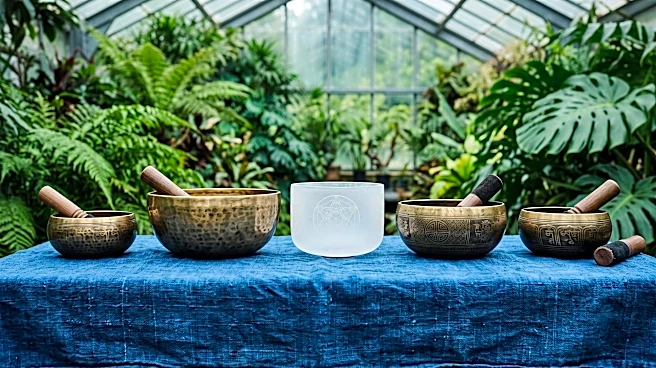
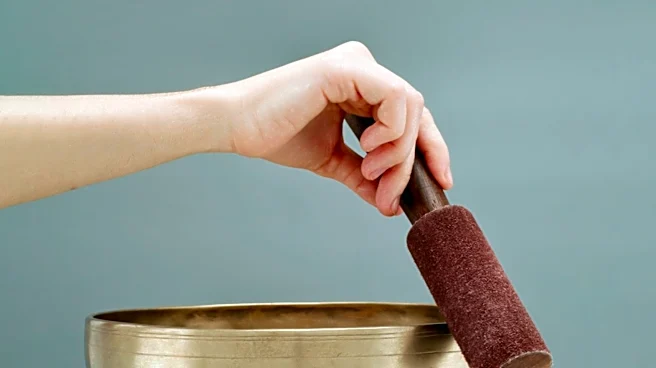
Sound healing, a therapeutic practice utilizing vibrations and sound from instruments like Tibetan singing bowls, crystal bowls, and gongs, is increasingly being adopted to promote relaxation, emotional balance, and overall well-being. This ancient practice,
rooted in India's spiritual traditions, is gaining prominence as individuals seek alternatives to medication-only approaches for stress management. Practitioners guide participants through 'sound baths' or 'sound meditations,' where they lie comfortably and receive the sounds, aiming to induce a deeply restful state. The vibrations are experienced both audibly and physically, helping to quiet the mind and bring attention to the present moment. This method is particularly noted for its ability to gently shift the nervous system from a state of alert to one of rest, offering relief from stress, anxiety, and insomnia by providing a soothing point of focus and promoting deeper relaxation.
Why It's Important?
The growing popularity of sound healing signifies a broader shift in the wellness industry towards holistic and complementary practices for mental and emotional health. As modern life contributes to increased stress, anxiety, and sleep difficulties, there's a rising demand for non-invasive methods that support mental well-being. This trend impacts the U.S. wellness sector by expanding the range of services offered in yoga studios, retreat centers, corporate wellness programs, and individual therapeutic settings. For individuals, it provides an accessible entry point into mindfulness and relaxation, especially for those who find traditional silent meditation challenging. Businesses in the wellness industry stand to gain by incorporating sound healing, attracting a wider clientele seeking alternative stress relief. Conversely, traditional medical and psychological treatment providers might see an increased need to understand and potentially integrate such complementary practices, as more people explore these avenues for support.
What's Next?
The demand for qualified sound healers is expected to increase as awareness of mental well-being grows and the wellness economy expands. This will likely lead to a proliferation of training programs and certifications for sound healing practitioners. We can anticipate more yoga studios, spas, and corporate wellness programs integrating sound baths and sound meditations into their offerings. There may also be a continued exploration of how sound healing can complement conventional medical and psychological treatments, particularly for conditions like severe anxiety, depression, and chronic sleep disorders. As the field matures, there will be a greater emphasis on structured, hands-on training to ensure practitioners are well-equipped to deliver effective and responsible care, further solidifying sound healing's place within the broader wellness landscape.
Beyond the Headlines
The resurgence of sound healing highlights a deeper societal yearning for practices that reconnect individuals with inner calm and balance amidst a hyper-connected and often overwhelming world. It underscores the ethical consideration that while sound healing offers significant benefits for relaxation and emotional well-being, it is a complementary practice and not a substitute for professional medical or psychological care. This distinction is crucial for practitioners to communicate and for the public to understand, ensuring responsible engagement with these therapies. Culturally, it reflects a growing openness to ancient wisdom traditions and their application in modern contexts, suggesting a broader integration of diverse healing modalities into mainstream wellness. The emphasis on structured training also points to the professionalization of alternative therapies, aiming to build trust and credibility within the healthcare ecosystem.