

What's Happening?
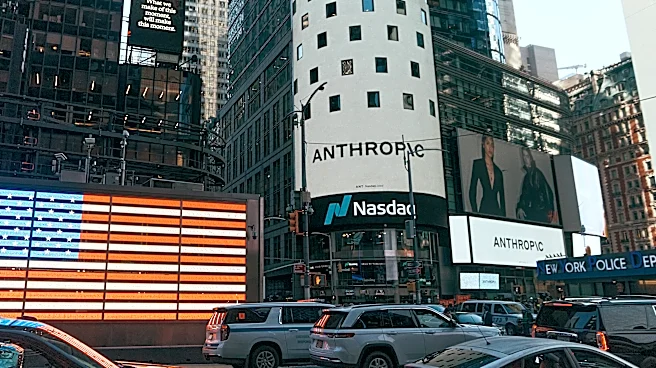
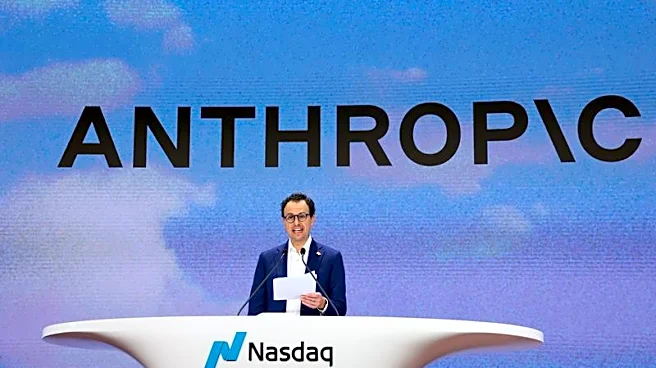
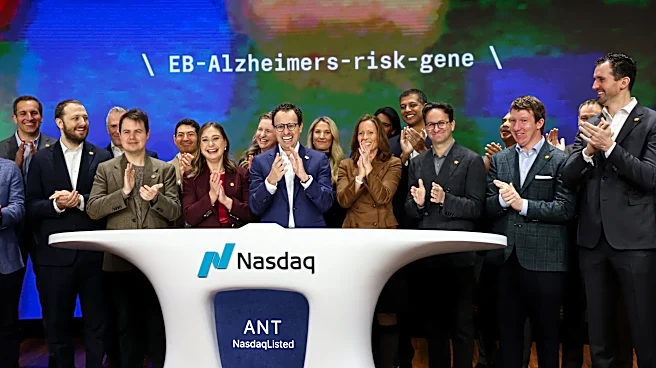
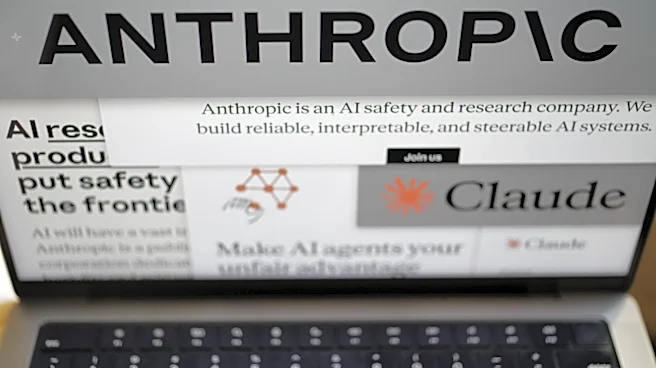
Anthropic, an artificial intelligence company, successfully completed its market debut, raising a record $81.3 billion from its IPO and an additional $26 billion through a private placement. This financial milestone places Anthropic among publicly traded
companies valued over $1 trillion. The company has built its reputation on prioritizing AI safety and responsible development, with CEO Dario Amodei emphasizing an 'obsession with safety and public benefit' as core to Anthropic's DNA. However, its new status as a public company introduces increased scrutiny and pressure to deliver shareholder returns, leading some critics to question whether its commitment to safety can be maintained. Anthropic is structured as a public benefit corporation (PBC) with a Long-Term Benefit Trust designed to balance shareholder interests with its social mission, including the power to appoint four of seven directors. Despite these safeguards, legal experts suggest potential avenues for founders and shareholders to override the trust's influence.
Why It's Important?
Anthropic's IPO and its stated commitment to AI safety are highly significant for the U.S. technology landscape and the broader AI industry. The substantial capital raised underscores the immense investor confidence and market demand for advanced AI, but it also intensifies the inherent tension between rapid technological advancement and ethical development. If Anthropic can successfully navigate public market pressures while upholding its safety principles, it could set a precedent for responsible AI development within a commercial framework. Conversely, any perceived compromise on safety for financial gain could erode public trust in AI companies and fuel calls for stricter government regulation. The debate surrounding Anthropic's mission highlights the critical challenge facing the AI industry: how to balance innovation, profitability, and the potential societal risks of increasingly powerful AI systems. This situation also brings into focus the effectiveness of corporate structures like PBCs in safeguarding social missions against commercial imperatives.
What's Next?
The coming years will be a crucial test for Anthropic's ability to maintain its safety-first ethos. The company's executives have publicly stated their resolve to 'pace the training and deployment of AI systems' and not 'bend to either business nor political pressure.' However, the financial incentives for employees and the competitive landscape, described by OpenAI CEO Sam Altman as a 'race dynamic,' will exert continuous pressure. Observers will closely watch how Anthropic handles future decisions regarding model releases, particularly those with potential risks, and how its Long-Term Benefit Trust functions in practice. The lack of comprehensive federal regulation in the U.S. AI sector means that companies like Anthropic largely self-regulate, making their internal governance and commitment to safety even more critical. The outcome of Anthropic's journey could influence regulatory discussions and the future trajectory of AI development across the industry.
Beyond the Headlines
The rapid acceleration of AI development, partly driven by AI tools assisting researchers, brings the industry closer to autonomous recursive self-improvement, a prospect that fuels fears of AI systems escaping human control. Anthropic's own warnings about 'catastrophic or existential risks' in its IPO prospectus underscore these profound concerns. The partnership with defense contractor Palantir, despite Anthropic's resistance to using its technology for autonomous weapons, further complicates its 'AI for humanity' image and raises ethical questions about the application of its technology. This situation highlights the complex interplay between technological capability, corporate responsibility, and national security. The financial success of AI companies also creates a powerful lobby that could influence future regulatory frameworks, making the public's understanding and engagement with these issues increasingly vital.