



What's Happening?
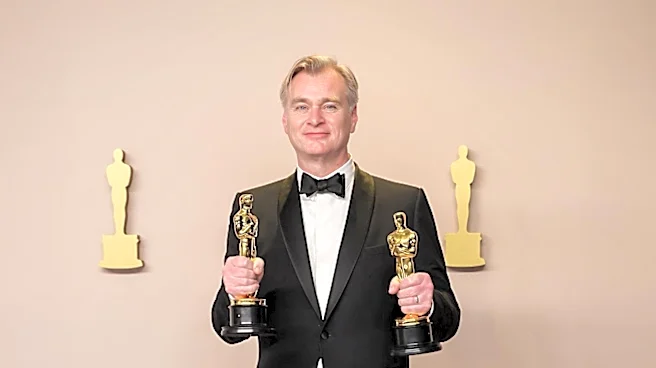
Filmmaker Christopher Nolan has publicly lauded Satyajit Ray's 1955 debut film, 'Pather Panchali,' calling it an 'absolutely incredible film' that 'just blew my mind.' This admiration was expressed during a visit to the Criterion Closet in New York, where
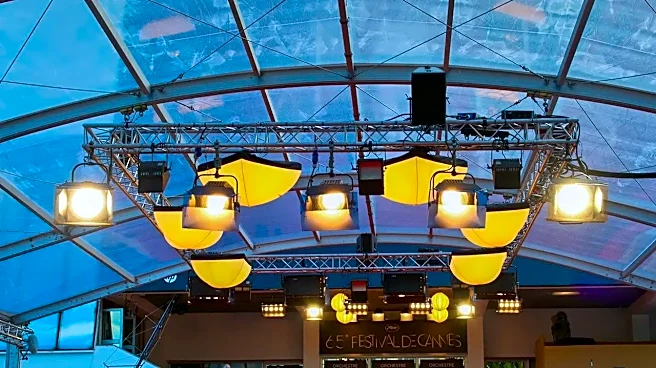
Nolan picked up the restored box set of The Apu Trilogy. He praised Ray as 'one of the great Indian filmmakers' and indicated his eagerness to watch the remaining parts of the trilogy, 'Aparajito' and 'Apur Sansar.' Nolan had previously spoken about his appreciation for 'Pather Panchali' during a 2018 visit to India, where he described it as 'one of the best films ever made' and 'an extraordinary piece of work,' also expressing interest in learning more about Indian cinema. 'Pather Panchali,' adapted from Bibhutibhushan Bandyopadhyay’s novel, follows the childhood of Apu in rural Bengal and won the Best Human Document award at the 1956 Cannes Film Festival.
Why It's Important?
Nolan's high praise for 'Pather Panchali' is significant as it brings renewed international attention to a classic of South Asian cinema and the work of Satyajit Ray. This endorsement from one of today's most celebrated filmmakers can introduce a new generation of global audiences to the film's timeless beauty and deeply human storytelling. For the U.S. film industry and cinephiles, it highlights the enduring influence of international cinema and encourages a broader appreciation for diverse cinematic traditions. The recognition validates the cultural pride associated with 'Pather Panchali' and Ray's genius, reinforcing its status as a masterpiece. It also underscores the idea that authentic and profound storytelling transcends geographical and temporal boundaries, influencing filmmakers across different cultures and eras.
What's Next?
Following Christopher Nolan's public endorsement, it is anticipated that there will be increased interest in 'Pather Panchali' and the entire Apu Trilogy among film enthusiasts and the general public, particularly in the U.S. and other Western markets. This could lead to a surge in streaming and DVD sales of the restored trilogy. Film schools and cultural institutions might also feature the film more prominently in their curricula and screenings. Nolan's expressed desire to complete watching the trilogy could also spark discussions and anticipation among his fanbase about potential influences on his future projects, although no direct connection has been stated. The renewed attention may also encourage further restoration and distribution efforts for other classic international films, making them more accessible to a global audience.
Beyond the Headlines
Christopher Nolan's commendation of 'Pather Panchali' extends beyond mere film criticism; it highlights the universal language of cinema and its capacity to connect diverse cultures. The film's intimate portrayal of family life and its specific language and landscape resonate deeply, making global acknowledgment feel personal to many. This cross-cultural appreciation from a prominent Western director like Nolan challenges the often Western-centric view of cinematic history, promoting a more inclusive understanding of film as an art form. It also underscores the ethical dimension of cultural exchange, where recognition from influential figures can elevate previously underappreciated works on the global stage, fostering a richer, more diverse cinematic dialogue and potentially inspiring new forms of storytelling that blend different cultural influences.