



What's Happening?
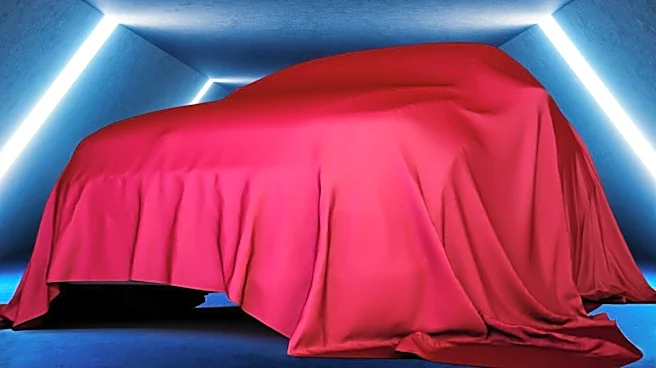
Mexico has introduced the Olinia EV, a low-cost electric vehicle priced at approximately $8,500, to challenge the dominance of Chinese-made electric cars in the Mexican market. The Olinia 1, designed for urban environments, features a 14.7-kilowatt-hour
lithium iron phosphate battery and a 13.5-kilowatt motor, offering a range of about 78 miles per charge. The initiative, part of Plan México, aims to boost domestic manufacturing and engineering capabilities, moving beyond mere assembly of foreign components. The vehicle is expected to be manufactured in Puebla by early 2027, with a focus on affordability and local production.
Why It's Important?
The introduction of the Olinia EV represents a significant step for Mexico in reducing reliance on foreign electric vehicle imports, particularly from China, which accounted for 90% of EV sales in Mexico in 2025. By promoting local production, Mexico aims to create jobs and enhance its technological expertise in the automotive sector. The Olinia EV's affordability could make electric vehicles more accessible to Mexican consumers, including taxi operators, potentially reducing fuel costs and maintenance expenses. Additionally, increased adoption of EVs could lead to a reduction in urban pollution and greenhouse gas emissions.
What's Next?
For the Olinia EV to succeed, Mexico will need to implement supportive policies, such as consumer incentives and infrastructure development for electric vehicles. The government may consider measures like tax breaks, insurance incentives, and improved charging infrastructure to encourage adoption. The success of the Olinia EV could also inspire further investment in Mexico's automotive industry, fostering innovation and competitiveness in the global market.