








What's Happening?
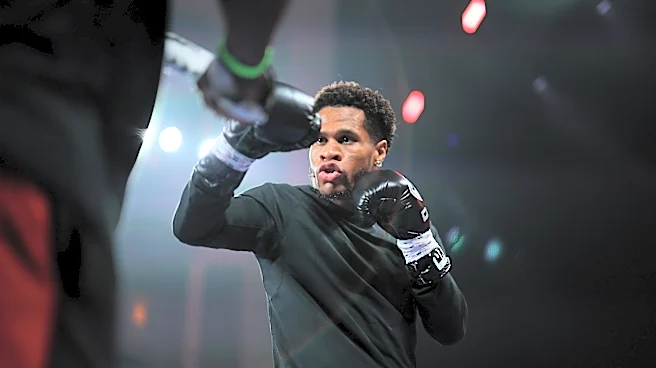
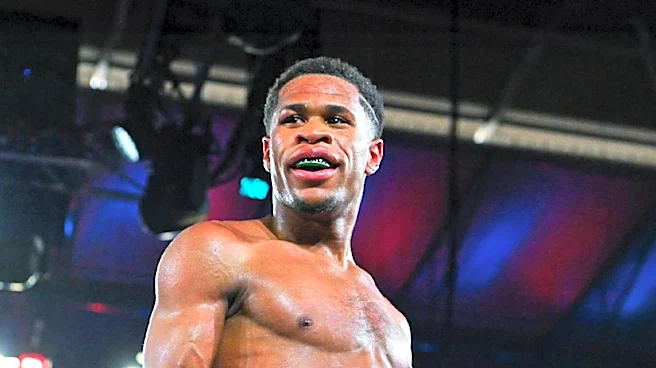
Australian boxer Liam Paro has publicly challenged Devin Haney regarding his participation in Voluntary Anti-Doping Association (VADA) testing ahead of their scheduled unification showdown in San Francisco on December 20. Paro, through his promoter Matt
Rose, threatened to withdraw from the fight if Haney did not immediately submit to VADA testing. This comes despite Haney's previous public advocacy for VADA testing and his claim of having undergone over 65 clean tests. U.S. superstar Ryan Garcia also weighed in, calling Haney's behavior 'shady' given Haney's past outspokenness against performance-enhancing drugs, particularly after Garcia himself tested positive for a banned substance following their 2024 bout. While initial reports from boxing writer Lance Pugmire suggested Haney had enrolled with VADA, Paro's team expressed disappointment, stating Haney's camp was refusing VADA testing in favor of athletic commission-based drug testing. This dispute has cast a shadow over the upcoming fight. Separately, there are reports that Jermell Charlo might withdraw from Tim Tszyu's undercard on the Gold Coast to fight Vergil Ortiz Jnr in the U.S. instead.
Why It's Important?
The controversy surrounding Devin Haney's drug testing has significant implications for the integrity of professional boxing, particularly in the U.S. where high-profile fights generate substantial revenue and public interest. VADA testing is widely regarded as the gold standard for anti-doping in combat sports, and any perceived reluctance to participate can damage a fighter's reputation and raise questions about fair play. For Liam Paro, this issue directly impacts his career-defining unification bout, potentially jeopardizing a major payday and title opportunity. For the sport as a whole, such disputes can erode fan trust and lead to calls for stricter, universally enforced anti-doping protocols. The potential shift of Jermell Charlo to fight Vergil Ortiz Jnr also highlights the fluid and often unpredictable nature of fight scheduling and contractual obligations in boxing, affecting both fighters' career trajectories and the promotional landscape for major events.
What's Next?
The immediate next step involves Devin Haney's response to Liam Paro's ultimatum regarding VADA testing. Paro's promoter, Matt Rose, has given Haney's team 24 hours to enroll in VADA testing, indicating a potential cancellation of the December 20 fight if the demand is not met. The boxing community will be closely watching for official confirmation of Haney's VADA enrollment or a statement from his camp addressing the allegations. Meanwhile, the reports of Jermell Charlo potentially fighting Vergil Ortiz Jnr instead of appearing on Tim Tszyu's undercard will require confirmation from Charlo's team or the respective promoters. These developments could lead to significant changes in the boxing schedule, affecting multiple fighters and their planned bouts, and potentially leading to new negotiations or alternative opponents for those impacted.
Beyond the Headlines
This drug testing controversy extends beyond the immediate fight, touching upon broader ethical and legal considerations within professional sports. The dispute highlights the ongoing tension between athletes' rights to privacy and the public's expectation of fair competition, free from performance-enhancing drugs. Haney's past advocacy for VADA testing, contrasted with the current allegations, could lead to a re-evaluation of how anti-doping stances are perceived and enforced. Furthermore, the involvement of social media in publicizing these disputes, with fighters like Ryan Garcia weighing in, underscores the evolving role of digital platforms in shaping narratives and influencing public opinion in sports. This situation could prompt boxing organizations to review and potentially strengthen their mandatory drug testing policies to prevent similar controversies from undermining the sport's credibility.