




What's Happening?
Lisa Su, CEO of Advanced Micro Devices (AMD), sold 70,000 shares of the company's stock on Thursday, September 10th, at an average price of $506.80, totaling $35,476,000. This transaction, executed under a pre-arranged Rule 10b5-1 trading plan, reduced
her ownership by 2.26%. Following the sale, Su owns 3,032,156 shares valued at $1,536,696,660.80. This sale is part of a broader trend of insider selling at AMD, with executives reporting 147 open-market sales and no purchases over the past six months. For instance, EVP Forrest Norrod also sold 17,262 shares for over $9.3 million in October. Concurrently, institutional investors are making significant moves; ProShare Advisors LLC increased its stake in AMD by 6.0%, purchasing an additional 116,139 shares, bringing its total to 2,063,566 shares. Other firms like Vise Technologies Inc. and Investment Partners LTD. have also acquired new stakes, while Cathie Wood’s ARK Invest has been trimming its AMD holdings.
Why It's Important?
The significant insider selling by AMD executives, including CEO Lisa Su, could signal varying perspectives on the company's near-term valuation or future prospects, potentially influencing investor sentiment. While such sales are often pre-scheduled, a high volume of insider selling without corresponding purchases can sometimes be interpreted as a lack of confidence. Conversely, the increased investment from major institutional players like ProShare Advisors LLC and Rakuten Investment Management indicates strong external confidence in AMD's long-term growth, particularly in its data center and AI segments. This divergence in insider and institutional activity creates a complex picture for investors, highlighting the ongoing debate about AMD's valuation, especially as it prepares to report third-quarter results. The company's expanding AI footprint with Meta and Rackspace, alongside analyst targets broadly above the current share price, suggests underlying strength despite insider divestments.
What's Next?
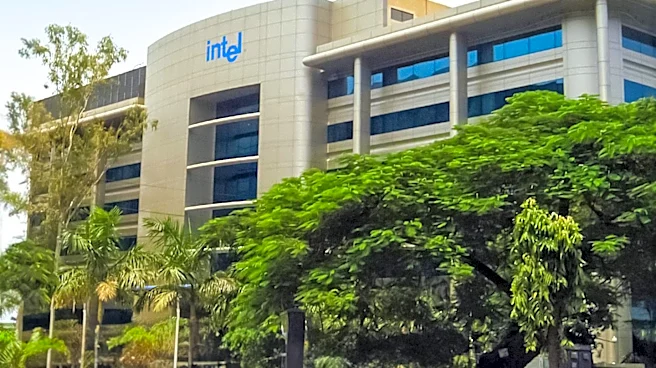
AMD is scheduled to report its third-quarter results on November 3rd. Investors will closely monitor these results for insights into data-center growth, AI accelerator demand, supply chain constraints, and management's outlook for 2027. The earnings call will be crucial in addressing concerns raised by insider selling and validating the confidence shown by institutional investors. The market will also be watching for any updates on AMD's expanded relationship with Meta, including the planned $1 billion equity investment and multigeneration chip collaboration, which could further solidify its position in the AI infrastructure market. Additionally, the company's performance relative to competitors like Intel, which recently issued a disappointing forecast, will be a key factor in determining investor sentiment and stock movement in the coming weeks.
Beyond the Headlines
The contrasting actions of AMD insiders and institutional investors highlight a broader market dynamic where different stakeholders interpret company performance and future potential through varied lenses. Insider sales, even when pre-planned, can sometimes reflect personal financial planning or diversification strategies rather than a lack of faith in the company. However, when coupled with significant sales from multiple executives, it can raise questions about the internal outlook. On the other hand, large institutional investments often signify a long-term strategic view, betting on AMD's technological advancements in AI and data centers to drive future growth. This situation underscores the complexity of interpreting market signals and the importance of considering multiple data points—from insider activity to institutional holdings and analyst ratings—to form a comprehensive investment thesis. The ongoing competition in the semiconductor industry, particularly in the rapidly expanding AI sector, means that every strategic move and financial report from AMD will be scrutinized for its implications on market leadership and technological innovation.