





What's Happening?
A new report from the Rodale Institute, synthesizing findings from six long-term U.S.-based field trials, concludes that diversified organic farming systems generally offer higher long-term economic and ecological benefits compared to conventional operations.
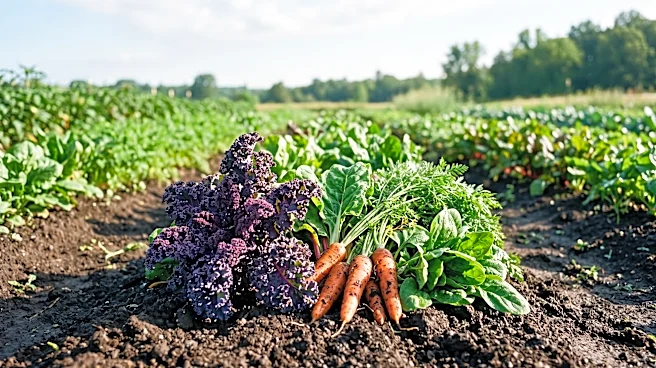
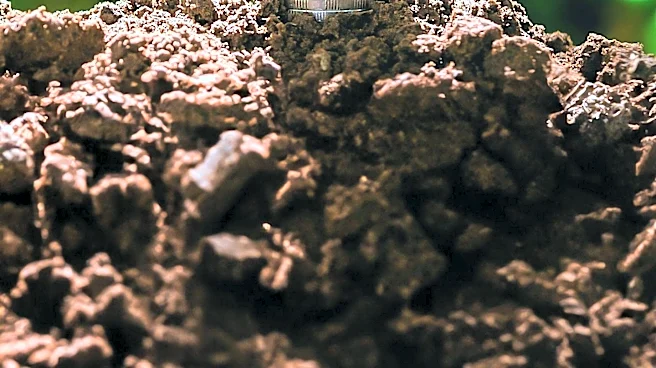
The report indicates that after an initial transition period, organic systems can match or exceed the profitability of conventional farming. Key findings from the trials, including Rodale’s Farming Systems Trial (FST) in Pennsylvania and the USDA-ARS Farming Systems Project (FSP) in Maryland, show that organic corn and soybean yields can equal conventional counterparts, especially in drought conditions where organic yields were 28–34% higher. Organic systems also demonstrate lower fossil energy use (28–32% less) and improved soil health, including higher carbon and nitrogen storage. Economically, without price premiums, low-input organic systems' net returns are comparable to chemical-intensive ones, and with premiums, organic profitability significantly increases, sometimes doubling annual profitability.
Why It's Important?
This report is significant for the U.S. agricultural sector and public policy, particularly as discussions around sustainable farming practices and climate change intensify. The findings challenge the perception that organic farming is inherently less productive or profitable than conventional methods. By demonstrating comparable or superior yields and profitability, especially with price premiums, the report provides a strong economic incentive for farmers to transition to organic practices. The ecological benefits, such as reduced fossil energy use, enhanced soil health, and better drought resilience, address critical environmental concerns and contribute to long-term agricultural sustainability. This evidence can influence policy decisions regarding agricultural subsidies, research funding, and support programs, potentially shifting focus towards organic and regenerative farming methods to benefit both farmers and the environment.
What's Next?
The Rodale Institute's findings are expected to fuel ongoing advocacy for policy changes that support organic agriculture. Organizations like Beyond Pesticides are calling for elected officials to hold chemical companies accountable and to advance organic solutions through legislation such as the Americans vs. Poisonous Pesticides Act and the Opportunities in Organic Act. The report's data could also inform the design and implementation of federal agricultural support programs, including crop insurance, the Environmental Quality Incentives Program (EQIP), and the Conservation Stewardship Program (CSP), to better serve organic farmers. Continued research and field trials will likely further refine understanding of optimal organic practices across diverse regions and cropping systems, potentially leading to broader adoption of these methods and a more resilient U.S. food system.
Beyond the Headlines
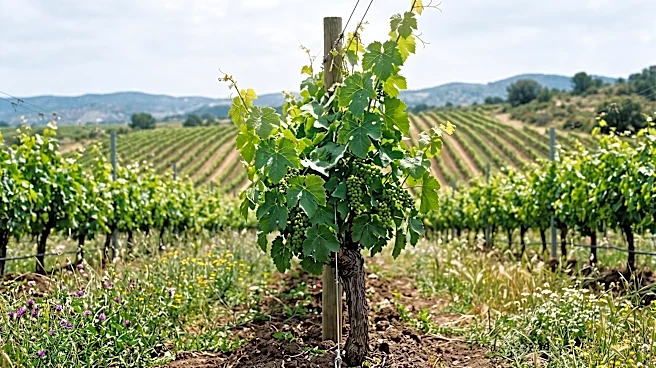
The report's emphasis on the long-term benefits of organic farming extends beyond immediate economic and ecological gains, touching upon broader societal implications. The improved soil health and reduced reliance on synthetic chemicals in organic systems contribute to enhanced biodiversity and public health by minimizing exposure to pesticides. The resilience of organic yields in drought conditions also highlights its potential role in climate change adaptation strategies for agriculture. Furthermore, the report implicitly underscores the value of diversified farming systems, which can offer greater stability and reduce risks compared to monoculture. This shift towards organic and diversified agriculture represents a fundamental re-evaluation of food production systems, moving towards models that prioritize environmental stewardship, farmer well-being, and long-term food security.