

What's Happening?
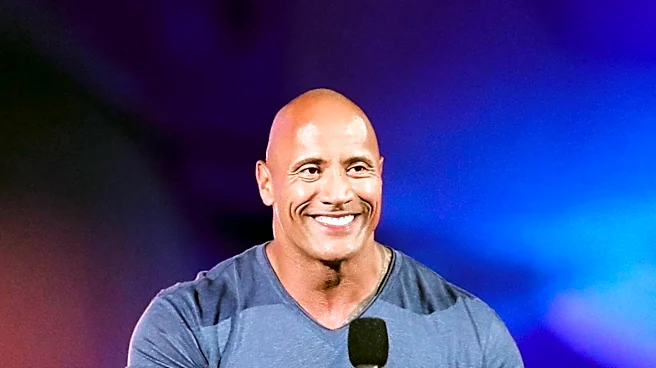
Dwayne Johnson is currently facing criticism from Taylor Swift fans, known as 'Swifties,' after his verified Instagram account appeared to 'like' a social media post that was critical of Taylor Swift's singing, dancing, and songwriting abilities. Screenshots
circulating online show Johnson's account among those who interacted with the reel, which questioned Swift's success and compared her unfavorably to legendary singers such as Whitney Houston, Amy Winehouse, and Aretha Franklin. This incident has surprised many fans, as Johnson has a history of publicly supporting Swift, including performing her song 'Shake It Off' on 'Lip Sync Battle' in 2015 and appearing in her 'The Man' music video. He also featured Swift's music in 'DC League of Super-Pets' and referred to her as the biggest star in the world in 2024. Swifties have taken to social media platforms like X (formerly Twitter) to express their disappointment, with some questioning the intentionality of the 'like' and others suggesting it has changed their perception of the actor.
Why It's Important?
This event underscores the significant influence and passionate nature of fan bases in the digital age, particularly within the entertainment industry. The swift and widespread backlash against Dwayne Johnson demonstrates how quickly public perception can shift based on perceived slights or controversial online activity, even if unintentional. For celebrities, managing their social media presence has become a critical aspect of maintaining their public image and brand, as even a single 'like' can ignite a firestorm of criticism. This incident also highlights the potential for misinterpretation and the challenges of navigating online interactions, especially when dealing with highly dedicated fan communities. The controversy could impact Johnson's public relations and potentially influence future collaborations or endorsements, as brands often seek to avoid association with negative publicity.
What's Next?
Dwayne Johnson or his representatives may issue a statement to address the controversy, potentially clarifying whether the 'like' was intentional or accidental, or offering an apology to Taylor Swift and her fans. The intensity and duration of the backlash will likely depend on how Johnson chooses to respond, or if he chooses to respond at all. This incident could serve as a cautionary tale for other public figures regarding the careful management of their social media accounts and the potential repercussions of seemingly minor online actions. It may also lead to increased scrutiny of celebrity social media activity by both fans and media outlets, further emphasizing the need for vigilance in the digital sphere.
Beyond the Headlines
Beyond the immediate controversy, this situation reflects the broader phenomenon of 'cancel culture' and the power of collective online sentiment to hold public figures accountable. It also touches upon the parasocial relationships fans develop with celebrities, where perceived betrayals can feel deeply personal. The incident highlights the blurred lines between personal and professional online conduct for celebrities, as their social media actions are often seen as extensions of their public persona. Furthermore, it illustrates the double-edged sword of social media for celebrities: while it offers a direct channel for engagement with fans, it also exposes them to intense scrutiny and rapid-fire criticism. This dynamic continues to shape the landscape of celebrity culture, demanding a constant awareness of audience expectations and the potential for digital missteps.