




What's Happening?
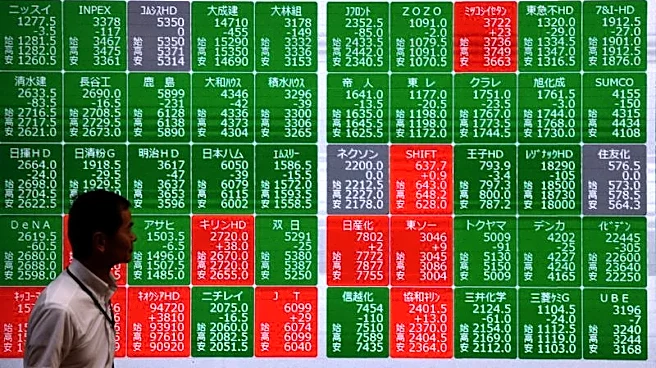
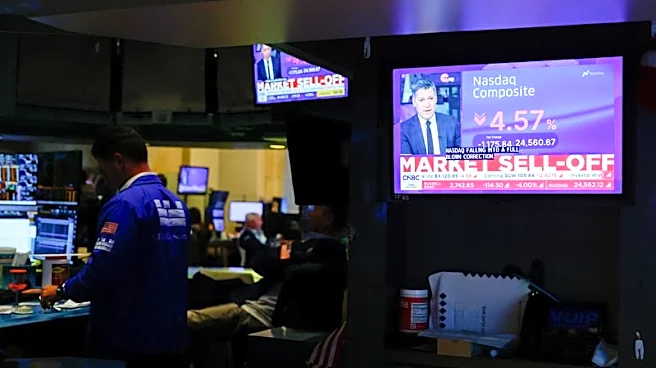
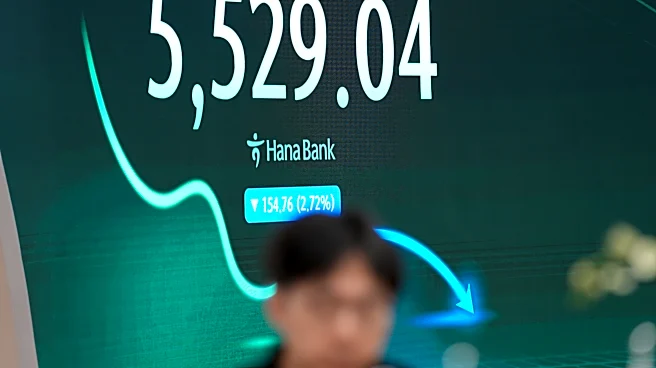
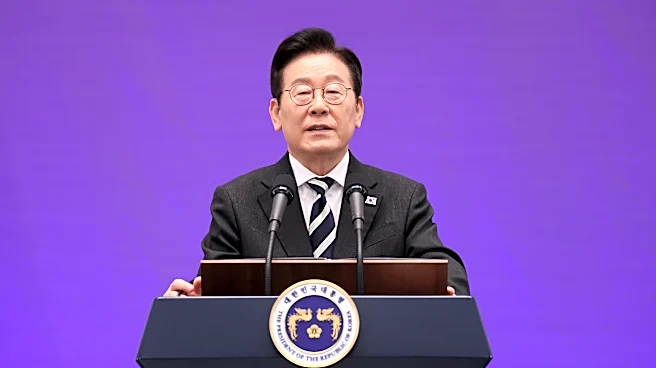
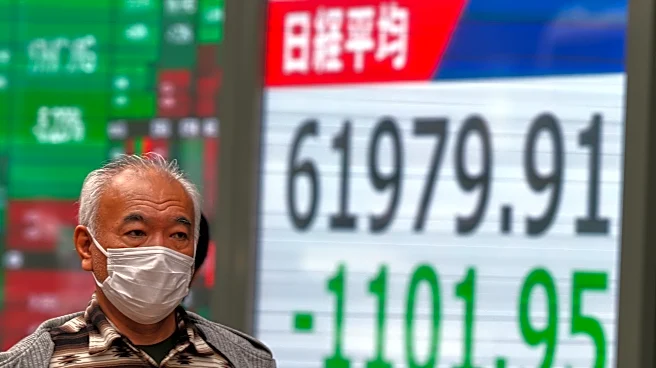
On November 6, Deputy Prime Minister and Minister of Finance and Economy Lee Hyoung Il convened a Market Situation Review Meeting with relevant authorities in South Korea. The meeting addressed heightened volatility in global stock markets, particularly
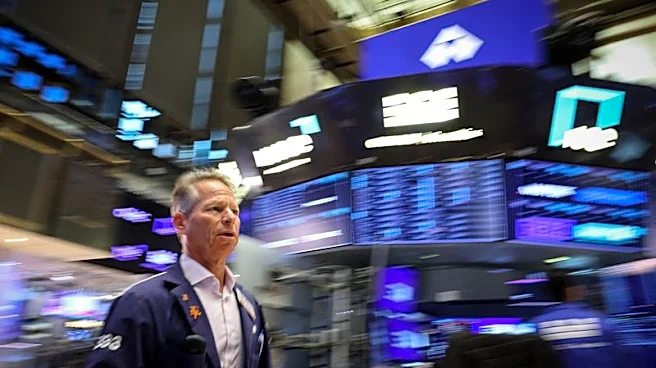
following sharp declines in U.S. technology shares after the U.S. midterm elections. Participants noted that while Korea's stock market reacted excessively, the global declines stemmed from a combination of factors, including policy uncertainty surrounding the AI industry, such as concerns over regulations on AI data centers, and weakening global investor sentiment. Despite these concerns, authorities affirmed Korea's strong economic fundamentals, citing projected economic growth, high exports, and corporate operating profits.
Why It's Important?
This meeting underscores the significant impact of U.S. political events and market trends on international economies, particularly in technologically advanced nations like South Korea. The focus on AI industry policy uncertainty highlights a global concern about the future regulatory environment for emerging technologies, which could affect investment and innovation worldwide. South Korea's proactive measures, such as waiving collateral ratio requirements for margin loans, aim to mitigate market instability and protect domestic investors from excessive forced selling. This response reflects a broader strategy by international financial authorities to safeguard their economies against external shocks originating from major global markets like the U.S.
What's Next?
South Korean authorities have agreed to maintain the highest level of vigilance, continuously monitoring domestic and global stock markets and capital flows in real time. They plan to respond proactively to prevent further market instability, including preparing additional market stabilization measures if volatility increases. The waiver of the 140% collateral ratio requirement for securities firms on margin loans will be effective for three months starting November 9. Furthermore, policy efforts will continue to fundamentally improve Korea’s capital markets, focusing on enhancing corporate value and investor confidence. Authorities will also monitor developments in the global semiconductor industry and policy trends in major economies.
Beyond the Headlines
The South Korean government's swift response to U.S.-driven market volatility illustrates the delicate balance nations must strike between global economic integration and domestic market protection. The emphasis on policy uncertainty in the AI industry suggests a growing awareness among international policymakers about the need for clear regulatory frameworks for rapidly evolving technologies. This situation could prompt greater international dialogue on harmonizing tech regulations to reduce market shocks. Moreover, the affirmation of strong economic fundamentals amidst external turmoil highlights a strategic effort to maintain investor confidence, which is crucial for long-term economic stability and growth in an interconnected global economy.