







What's Happening?
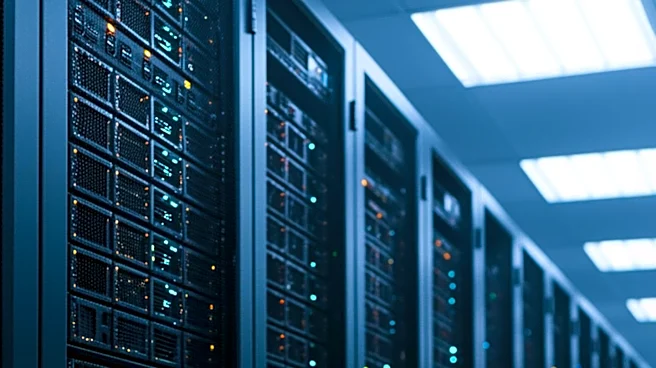
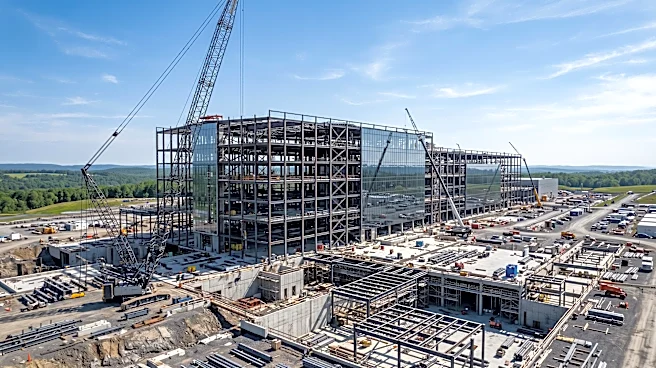
Investment in U.S. data center structures, computers, and software reached 5.6% of the Gross Domestic Product (GDP) in the second quarter of 2026. This figure is a significant increase from 3.8% in 2022, or 5.2% when imported hardware is excluded. This level
of investment now exceeds the peak of the dot-com boom in 2000, when business investment in computers, communications equipment, and software reached approximately 4.5% of GDP. While not the largest investment boom in history, it is having a substantial economic impact, with AI-related investment accounting for 37% of U.S. real GDP growth, compared to IT investment accounting for 16-18% of U.S. GDP growth during the 1998-2000 period. The current boom is largely financed by the cash flows of profitable companies, with debt and equity playing a more marginal role so far.
Why It's Important?
The surge in U.S. investment in data centers, computers, and software signifies a profound structural shift in the economy, driven by the rapid expansion of Artificial Intelligence (AI). This level of investment, surpassing the dot-com era, indicates a robust commitment to digital infrastructure that is foundational for future economic growth and technological advancement. The fact that AI-related investment contributes significantly to U.S. real GDP growth highlights its central role in shaping the national economy. This trend benefits industries involved in data center construction, hardware manufacturing (even if imported), and software development. It also suggests a strong demand for skilled labor in these sectors. The financing model, primarily relying on corporate cash flows, indicates a more stable and less speculative investment environment compared to past booms, potentially mitigating some financial risks.
What's Next?
The high level of investment is expected to continue driving demand for chips from Asia and semiconductor equipment from Europe, Japan, and the U.S., creating an international AI investment chain. This will likely lead to further growth in countries that hold critical links in this chain. The shorter economic life of GPUs (three to six years) compared to older infrastructure like railroads and fiber optics suggests a faster refresh cycle for AI hardware, which could sustain investment levels. The rapid payoff observed in AI coding tools and the disruption across various sectors like software, accounting, online retail, and advertising indicate that the economic benefits of this investment could materialize more quickly than in previous technological revolutions. However, the long-term returns for those financing the transformation remain to be seen, as historical precedents show that transformative technology does not always guarantee good returns for investors.
Beyond the Headlines
This investment boom reflects a deeper societal and economic transformation where AI is becoming an indispensable utility, akin to electricity or the internet. The substantial capital allocation towards data centers and software infrastructure points to a future where data processing and intelligent automation are central to nearly all economic activities. This could lead to significant productivity gains across industries, but also raises concerns about job displacement in sectors amenable to automation. The international nature of the AI investment chain highlights the interconnectedness of the global economy and potential geopolitical implications related to technological dependencies. Furthermore, the rapid obsolescence of AI hardware components like GPUs poses environmental challenges related to electronic waste and energy consumption, which will require innovative solutions and policy considerations.