



What's Happening?
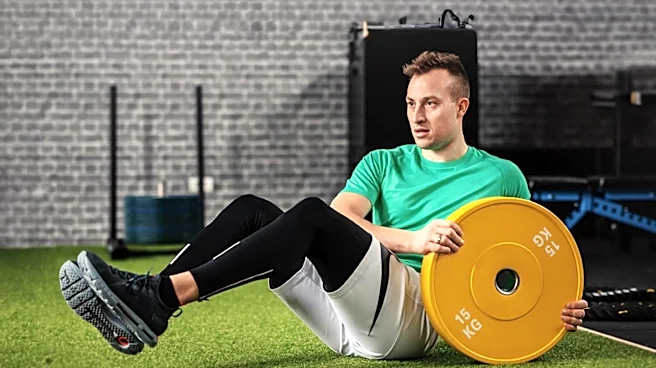
Kettlebell instructor Zack Henderson is recommending the 'McGill Big 3' exercises as a superior alternative to traditional sit-ups for building core stability and strength while protecting the spine. These foundational stability exercises, developed by
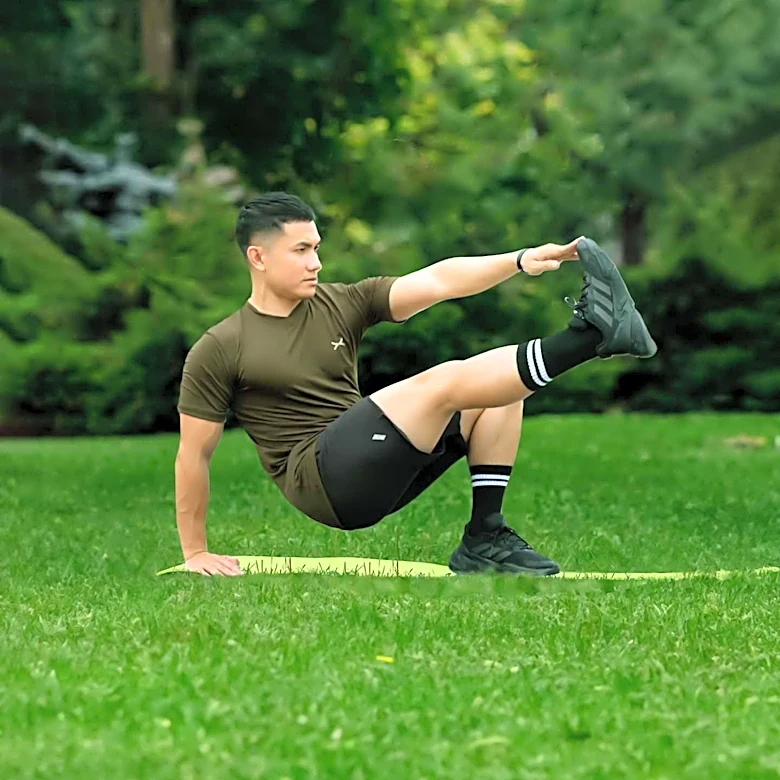
biomechanics professor and spine expert Dr. McGill, are designed to reduce back pain by strengthening the muscles that support the spine and pelvis. Henderson emphasizes that the McGill Big 3—comprising the McGill curl-up, side plank, and bird-dog—can enhance endurance and safeguard the lower back without the repetitive lumbar flexion associated with sit-ups. He suggests incorporating these exercises into warm-up routines to prepare and stabilize the hips, back, and core for heavy compound lifts, noting their effectiveness in preventing and alleviating low back pain.
Why It's Important?
This recommendation is important for the U.S. fitness and healthcare industries, particularly given the prevalence of back pain and the widespread practice of traditional core exercises like sit-ups. By advocating for the 'McGill Big 3,' Henderson highlights a shift towards more spine-protective and functionally effective core training methods. This could lead to a re-evaluation of standard exercise protocols in gyms, physical therapy clinics, and personal training programs across the country. For individuals, adopting these exercises could significantly reduce the risk of back injuries and improve overall spinal health, potentially decreasing healthcare costs associated with back pain treatment. Fitness professionals who integrate these methods into their practice stand to gain credibility by offering safer and more effective training solutions, while those who continue to rely solely on sit-ups might find their methods questioned.
What's Next?
The advocacy for the 'McGill Big 3' by fitness professionals like Zack Henderson is likely to increase awareness and adoption of these exercises within the U.S. fitness community. This could lead to more workshops, certifications, and educational content focusing on spine-safe core training. Gyms and fitness centers might begin to update their recommended exercise lists and training programs to include these movements, potentially phasing out exercises deemed less beneficial or higher risk for spinal health. Furthermore, physical therapists and chiropractors may increasingly recommend these exercises as part of rehabilitation and preventative care for back pain. The long-term impact could be a broader cultural shift in how core strength is understood and trained, prioritizing spinal health and functional stability over superficial abdominal aesthetics.
Beyond the Headlines
Beyond the immediate benefits of improved core strength and reduced back pain, the emphasis on the 'McGill Big 3' reflects a deeper evolution in exercise science and public health. It underscores a growing understanding that not all exercises are created equal, and that some popular movements may carry inherent risks, particularly for spinal health. This shift encourages a more evidence-based approach to fitness, moving away from traditional, potentially harmful practices towards scientifically validated methods. Ethically, it raises questions about the responsibility of fitness instructors and health professionals to stay updated on best practices and to educate the public about safer alternatives. Culturally, it challenges the long-held perception that sit-ups are the gold standard for abdominal training, potentially leading to a more informed and health-conscious approach to exercise across the U.S. population.