
What's Happening?
Robert A. Clifford, founder and senior partner at Clifford Law Offices, has authored an article in Chicago Lawyer titled 'Facing the Facts,' which delves into the complex legal and ethical issues surrounding
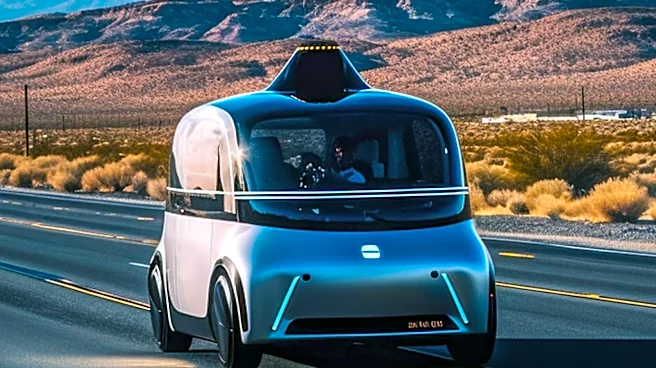
artificial intelligence (AI)-controlled vehicles. As driverless cars become more prevalent, cases involving injuries or fatalities are beginning to appear in courthouses across the country. A central question arising from these incidents is the assignment of blame when a human driver is not directly at fault. Clifford emphasizes that traditional legal doctrine, which assigns blame based on human choice, negligence, or reckless action, struggles to apply to AI systems. He notes that AI systems 'calculate' rather than 'intend or deliberate morally,' creating a significant challenge for existing legal frameworks.
Why It's Important?
The rise of AI-controlled vehicles presents a profound challenge to established U.S. legal and insurance industries. The shift from human agency to algorithmic decision-making in accidents necessitates a re-evaluation of liability laws, product liability, and negligence. This could lead to a complete overhaul of how accident claims are processed and who bears financial responsibility. For consumers, it raises questions about trust in autonomous technology and the legal recourse available in the event of an accident. For manufacturers, it means navigating a complex and evolving legal landscape, potentially facing increased litigation focused on software dynamics and sensor fusion. The economic impact could be substantial, affecting insurance premiums, vehicle design standards, and the overall adoption rate of autonomous vehicles. The legal system's ability to adapt to these technological advancements will be crucial for the future of transportation and public safety.
What's Next?
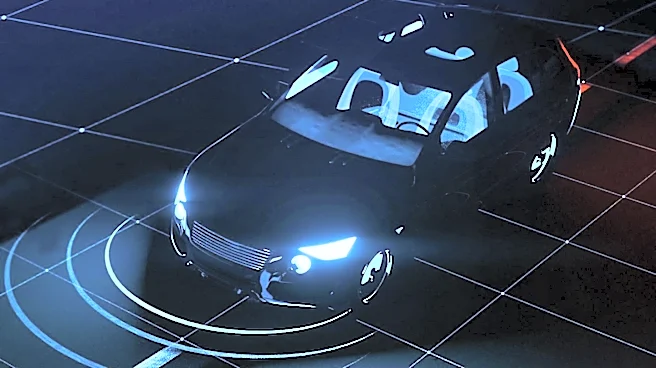
As cases involving AI-controlled vehicles continue to emerge, litigation will likely focus on technical discovery and expert testimony concerning sensor fusion and decision-making algorithms. Plaintiffs' attorneys will need to translate complex software dynamics into traditional tort frameworks to establish liability. This will necessitate the development of new legal precedents and potentially new legislation specifically addressing autonomous vehicle accidents. Manufacturers of AI-controlled vehicles will face pressure to provide greater transparency into their systems' operations and decision-making processes. The legal community will need to develop specialized expertise in AI and machine learning to effectively litigate these cases. Furthermore, there may be a push for regulatory bodies to establish clearer guidelines and standards for the development, testing, and deployment of AI-controlled vehicles to mitigate future legal ambiguities.
Beyond the Headlines
The ethical implications of AI-controlled vehicles extend beyond legal liability to fundamental questions about moral agency and responsibility. If AI systems 'calculate' rather than 'intend,' how do societies assign moral blame for their actions, especially in life-or-death situations? This challenge could lead to a philosophical re-evaluation of what constitutes 'fault' and 'responsibility' in an increasingly automated world. It also highlights the need for interdisciplinary collaboration between legal experts, ethicists, AI developers, and policymakers to create a robust framework that addresses both the technical and moral dimensions of autonomous technology. The long-term societal impact could include a shift in public perception of responsibility, potentially leading to a greater reliance on technological solutions for safety, but also raising concerns about the erosion of human control and accountability in critical decision-making processes.