






What's Happening?
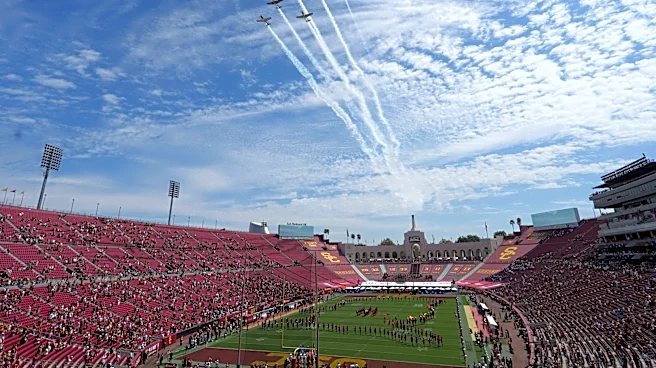
Los Angeles is preparing to host the Summer Olympic and Paralympic Games in 2028, a significant event that will draw millions of visitors globally. Unlike previous host cities, LA28 is largely relying on existing stadiums, arenas, universities, and entertainment
venues, rather than constructing new sports facilities. This strategy shifts investment towards transportation, infrastructure, and hospitality improvements. Consequently, the region's existing hotel inventory will bear a substantial load in accommodating visitors, sponsors, media, athletes' families, and support staff. This reliance on existing properties creates a critical need for hotel owners, developers, asset managers, and brands to modernize their properties. Many hospitality projects aiming for completion before the Games are already in design or under construction, as industry analysts estimate that only a fraction of planned developments will open in time. The emphasis is on upgrading current hospitality assets to meet the anticipated demand, rather than replacing them with new builds.
Why It's Important?
The LA28 Olympics present a unique opportunity and challenge for the Southern California hospitality industry. The decision to utilize existing infrastructure means that hotels will be central to the visitor experience, creating immense pressure and opportunity for property owners. Modernizing properties before the demand peaks is crucial for capitalizing on the influx of tourists and associated revenue. However, hospitality renovations are complex and time-consuming, involving extensive planning, budgeting, procurement, manufacturing, shipping, installation, and regulatory approvals. The tight timeline leading up to 2028 means that projects must navigate potential delays due to competition for manufacturers, installers, freight companies, and skilled labor. Owners who initiate renovations early will be better positioned to secure resources and meet deadlines, while those who delay risk facing increased costs and limited availability of essential services and personnel. The success of these renovations will directly impact the region's ability to host the Games effectively and leave a lasting positive impression on international visitors.
What's Next?
As the 2028 Olympics draw closer, the competition for qualified labor, materials, and services within the hospitality renovation sector is expected to intensify. General contractors, subcontractors, installers, and specialty trades will face an immovable deadline, making early engagement and strong coordination critical for hotel owners. Procurement processes will become increasingly vital, requiring accurate budgeting, early vendor qualification, long-lead item management, logistics coordination, and constant communication among all stakeholders. Projects that prioritize strong coordination over just large budgets are more likely to succeed. Beyond the immediate impact of the Games, the improvements made to hospitality properties are expected to attract business travelers, conventions, international tourism, and future sporting events long after the closing ceremonies. Los Angeles is also preparing for a series of major international events surrounding the Games, further increasing the pressure on the hospitality market to be ready.
Beyond the Headlines
The LA28 Olympics' strategy of reusing existing facilities highlights a broader shift towards sustainability and efficiency in major global events. This approach minimizes the environmental impact and financial burden often associated with constructing new, temporary venues. For the hospitality sector, it underscores the long-term value of investing in existing assets and adapting them to contemporary standards. The emphasis on upgrading current properties rather than building new ones could set a precedent for future Olympic host cities, promoting a more responsible and sustainable model for large-scale events. Furthermore, the challenges of coordinating complex renovation projects under a strict deadline will test the resilience and adaptability of the construction and hospitality industries, potentially leading to innovations in project management and supply chain logistics. The legacy of LA28 will not only be in the sporting achievements but also in the modernized infrastructure and enhanced visitor experience that will benefit Los Angeles for years to come.