






What's Happening?
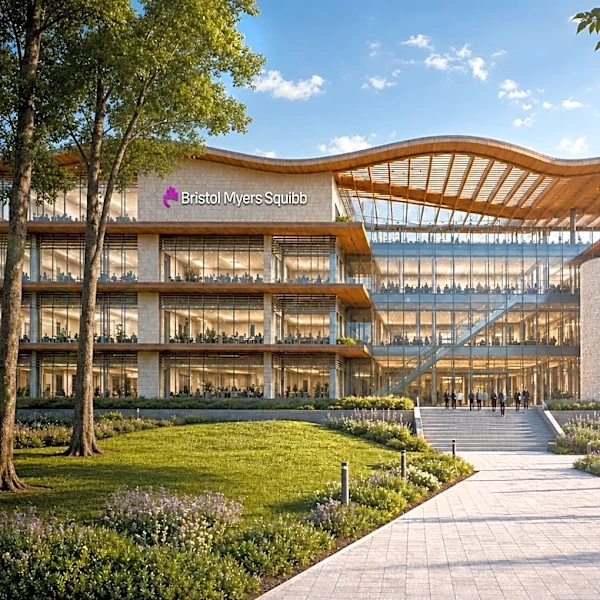
Bristol Myers Squibb (BMS) has announced a $2.3 billion investment to establish a new manufacturing campus in Houston, Texas. This initiative is part of BMS's broader $40 billion commitment to American innovation and manufacturing, a response to President
Trump's tariff threats. The new facility will be modular, allowing for flexible manufacturing capabilities, and is expected to create 2,500 jobs, including 500 initial hires and 2,000 construction and indirect roles. The campus will focus on producing various types of medicines, such as small molecules and biologics. U.S. Secretary of Commerce Howard Lutnick emphasized the importance of this investment in strengthening pharmaceutical supply chains and creating high-paying jobs.
Why It's Important?
This investment by BMS is significant as it aligns with the 'America First' trade agenda, aiming to reduce reliance on foreign sources for critical medicines. The creation of thousands of jobs will boost the local economy in Houston and enhance the U.S. pharmaceutical industry's capacity to produce next-generation medicines domestically. This move also reflects a strategic shift in the pharmaceutical sector towards more localized production, which could lead to increased innovation and competitiveness in the global market. The investment underscores the importance of robust supply chains in ensuring national health security.
What's Next?
BMS plans to expand the Houston facility's operations in the future, potentially increasing its manufacturing capacity. The company will continue to evaluate the local workforce and infrastructure to support its long-term growth. The investment may prompt other pharmaceutical companies to consider similar moves, further strengthening the U.S. position in the global pharmaceutical industry. Additionally, the success of this initiative could influence future policy decisions regarding trade and manufacturing in the U.S.