






What's Happening?
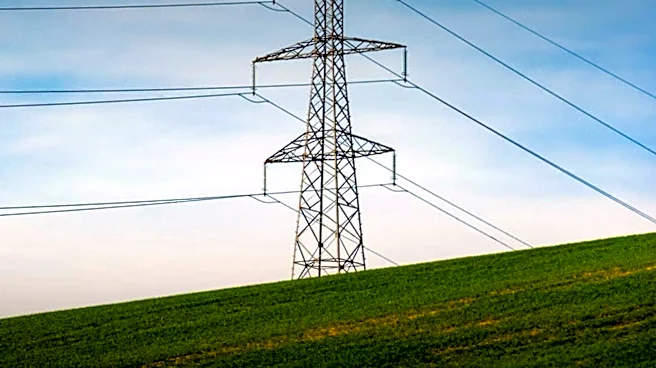
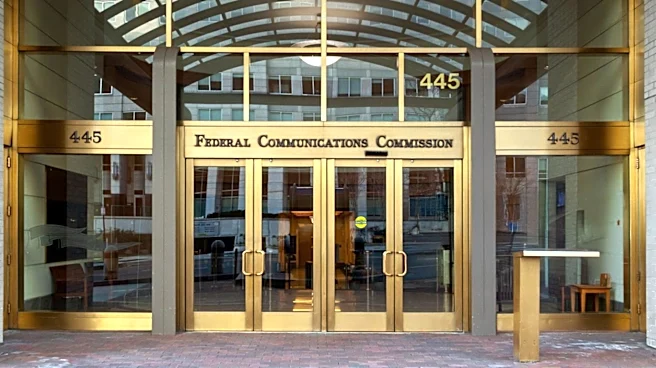
The Federal Energy Regulatory Commission (FERC) has initiated reforms to expedite the connection of large electricity users, such as AI data centers, to the transmission system. This move comes in response to the growing demand for electricity driven
by the rapid expansion of artificial intelligence technologies. FERC has directed regional grid organizations to justify or reform their rules to facilitate quicker connections. The commission is also exploring cost-recovery agreements to prevent residential customers from bearing the costs of infrastructure projects that may not materialize. This initiative aims to address the bottleneck in the electrical interconnection process, which often delays the connection of new data centers to the grid.
Why It's Important?
The reforms by FERC are significant as they aim to balance the need for rapid technological advancement with the protection of consumers from unnecessary costs. The growing demand for electricity from AI data centers poses a challenge to the existing grid infrastructure, which is not equipped to handle such large loads quickly. By streamlining the connection process, FERC is attempting to ensure that the grid can support these new demands without compromising reliability or shifting costs to consumers. This move could potentially accelerate the deployment of AI technologies, which are crucial for various sectors, including healthcare, finance, and manufacturing.
What's Next?
FERC's reforms are expected to lead to quicker connections for large electricity users, but the implementation of these changes will require cooperation from regional grid organizations. These organizations will need to adjust their rules and processes to align with FERC's directives. Additionally, there may be further discussions and negotiations with stakeholders, including utility companies and consumer advocacy groups, to ensure that the reforms are implemented effectively and fairly. The success of these reforms will depend on the ability of all parties involved to work together to address the challenges posed by the increasing demand for electricity.