




What's Happening?
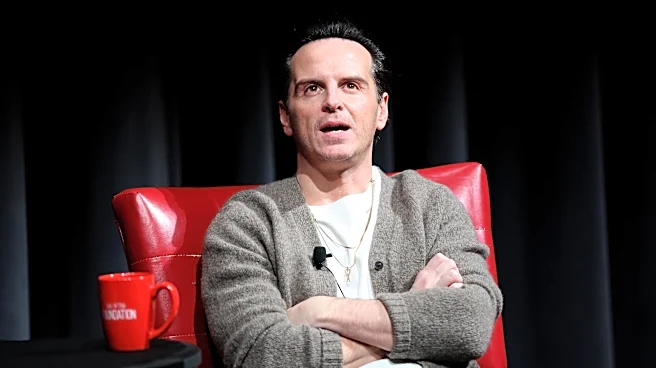
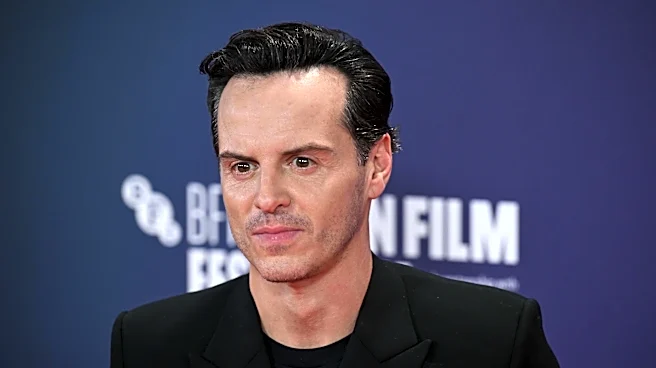
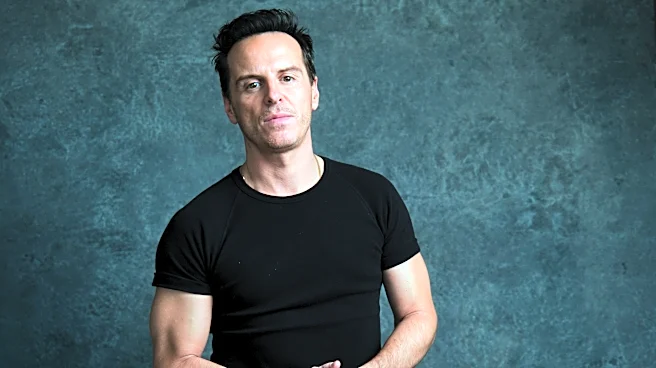
The new film 'Elsinore' features a powerful and memorable performance by actor Andrew Scott as Ian Charleson, a dying actor playing Hamlet at Britain's National Theatre in 1989. Scott's portrayal of Charleson, particularly a scene where he prepares to greet
visitors in a hospital AIDS ward, is highlighted as searing and unforgettable. Director Simon Stone is noted for trusting Scott's ability to convey deep emotion through close-ups. However, the film itself is criticized for not consistently trusting its lead actor, often employing what are described as 'dramaturgical training wheels.' This includes an overly insistent musical score and narrative choices that dilute the emotional impact, such as introducing conventional AIDS drama elements and repeatedly showing audience members marveling at Charleson's performance. The film's strength lies in depicting the daily rituals of Charleson's life, including his health checks and rigorous Hamlet rehearsals, which provide a grounded and compelling narrative.
Why It's Important?
The critical reception of 'Elsinore' underscores a recurring tension in filmmaking: the balance between a powerful central performance and directorial choices that can either elevate or detract from it. For the entertainment industry, this review highlights the importance of directorial restraint and confidence in an actor's ability to carry a film's emotional weight. When a film is perceived as over-directing or over-explaining, it can diminish the audience's engagement and the overall artistic integrity, even with a standout performance. This can influence how future projects are greenlit and how directors approach sensitive biographical material, particularly when dealing with historical figures and challenging themes like illness and mortality. The critique also points to the potential for films to fall into conventional tropes, which can limit their impact despite strong individual contributions.
What's Next?
The critical discussion surrounding 'Elsinore' may influence how audiences perceive the film and how it performs commercially. While Andrew Scott's performance is likely to garner significant attention and potential awards consideration, the film's overall critical reception could affect its broader appeal and box office success. For director Simon Stone, this feedback might inform future projects, potentially encouraging a more minimalist approach that relies more heavily on actor performances. The film's release will also contribute to ongoing conversations within the film industry about portraying historical figures, particularly those dealing with sensitive health issues, and the artistic choices involved in balancing authenticity with dramatic impact. Audiences and critics will continue to evaluate whether the film successfully navigates these complexities.
Beyond the Headlines
Beyond the immediate critique of 'Elsinore,' the film's portrayal of Ian Charleson's experience with AIDS in 1989 touches upon deeper cultural and historical implications. The film's struggle to maintain a consistent tone, particularly in its depiction of Charleson's decision not to come out, and its interaction with activist Derek Jarman, highlights the evolving understanding and representation of LGBTQ+ issues and the AIDS epidemic in media. The critique suggests a missed opportunity to explore these complex themes with more nuance and less sentimentality. This raises questions about how contemporary filmmakers interpret and present historical social contexts, and whether they fully trust audiences to engage with raw, unprocessed emotions. The film's reception could contribute to broader discussions about authenticity, historical accuracy, and the ethical responsibilities of storytelling when dealing with sensitive personal and societal histories.