





What's Happening?
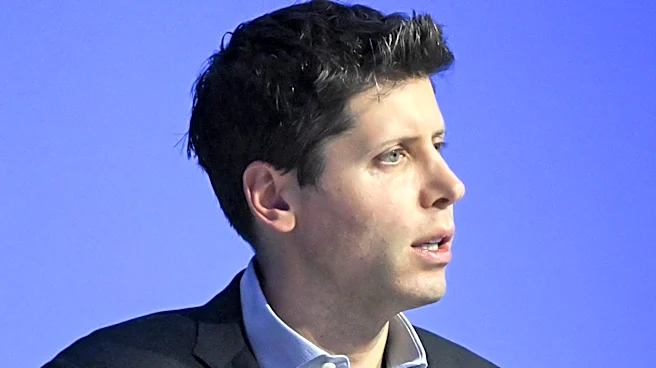
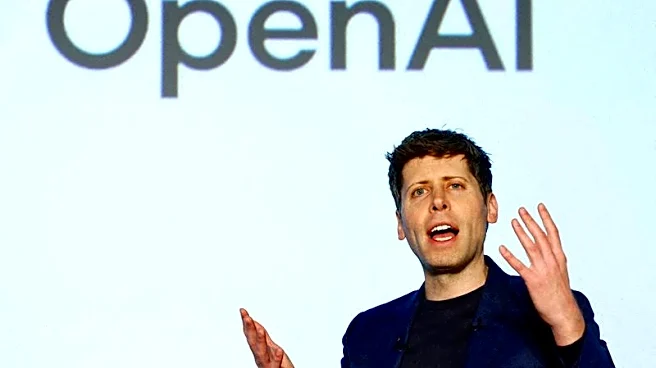
OpenAI, a prominent player in the artificial intelligence sector, has proposed a novel initiative to donate 5% of its shares to a US sovereign wealth fund. This proposal, led by CEO Sam Altman, aims to strengthen ties with the US government and distribute
AI-generated profits among the American public. The initiative is part of a broader plan that encourages other major AI companies to allocate similar stakes, thereby improving relations with the government and potentially reducing future political pressures. The proposal has garnered support from President Trump, who emphasized the importance of making the American people partners in the success of these companies. The plan suggests that the fund's assets could be distributed to citizens as dividends, potentially reducing wealth inequality and compensating for job losses due to technological advancements.
Why It's Important?
The proposal by OpenAI is significant as it represents a potential shift in how tech companies interact with government and society. By creating a sovereign wealth fund, the initiative could provide a direct financial benefit to citizens, addressing wealth inequality exacerbated by the rapid growth of AI technologies. This approach could serve as a model for other countries, influencing global economic policies related to technology and innovation. Additionally, the proposal could mitigate political pressures on tech companies by aligning their interests with public welfare. However, the plan faces challenges, including the need for congressional approval and varying political opinions, which could impact its implementation.
What's Next?
The next steps for OpenAI's proposal involve navigating the political landscape to gain the necessary approvals from Congress. The initiative's success will depend on building consensus among lawmakers and addressing concerns from different political factions. If implemented, the model could redefine the relationship between high-tech companies and the state, potentially influencing similar policies worldwide. The proposal also opens the door for alternative suggestions, such as Senator Bernie Sanders' call for a one-time 50% tax on AI company shares, which could further complicate the legislative process.
Beyond the Headlines
Beyond the immediate financial implications, OpenAI's proposal raises ethical and cultural questions about the role of technology in society. It challenges traditional notions of corporate responsibility and public benefit, suggesting a new paradigm where tech companies contribute directly to societal welfare. This could lead to broader discussions about the responsibilities of corporations in the digital age and the potential for technology to drive social change. The initiative also highlights the need for innovative policy solutions to address the economic disruptions caused by technological advancements.