




What's Happening?
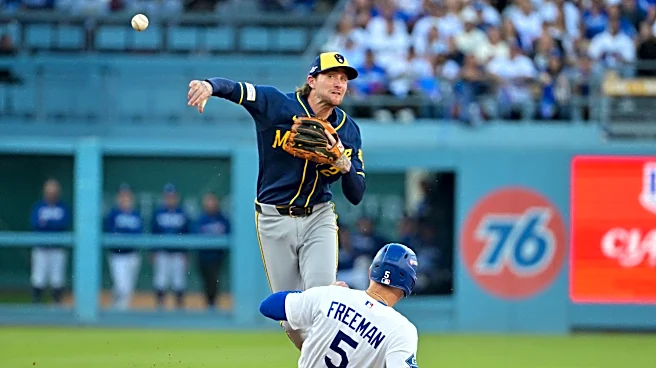
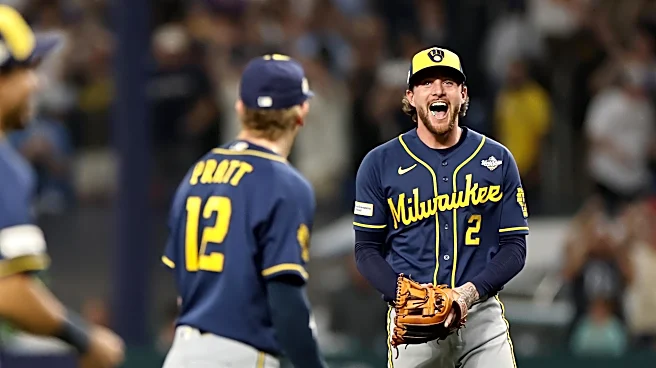
The Milwaukee Brewers' recent success, particularly their 2026 World Series win, is prompting other Major League Baseball (MLB) teams to analyze and potentially emulate their strategies. While some aspects of their success, such as advanced player development
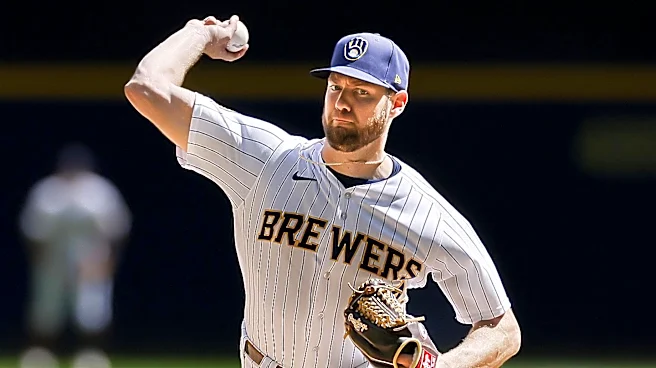
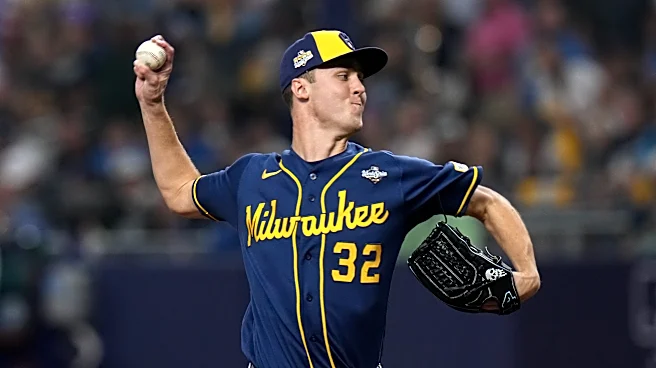
technology and intricate workload management, are difficult for outsiders to replicate without proprietary data, there are observable and actionable lessons. One key takeaway is the emphasis on developing pitchers with explosive mechanics, exemplified by Jacob Misiorowski. Misiorowski's effectiveness stems not just from his high velocity but also from his unique delivery that closes distance to the batter and disrupts timing. This suggests that teams can focus on identifying and cultivating pitchers who possess similar explosive qualities, even if they don't reach Misiorowski's elite level. The Brewers' approach highlights that while individual talent is crucial, strategic development and utilization of specific pitching mechanics can be a significant differentiator.
Why It's Important?
The Brewers' model offers a blueprint for MLB teams, especially those with smaller markets or budgets, to achieve competitive success. In a league often dominated by high-spending franchises, the ability to win through innovative player development and strategic gameplay provides a valuable alternative. By focusing on observable and replicable aspects of the Brewers' strategy, such as specific pitching mechanics, other teams can potentially enhance their rosters without necessarily engaging in costly bidding wars for established stars. This could lead to a more balanced competitive landscape across MLB, fostering greater parity and making the league more engaging for fans. The emphasis on 'making more Mizzes' suggests a shift towards identifying and nurturing specific athletic traits in pitchers that contribute to explosive deliveries, rather than solely relying on raw velocity, which could influence scouting and player development philosophies throughout the sport.
What's Next?
Following the Brewers' 2026 World Series victory, it is anticipated that MLB teams will intensify their scouting efforts to identify pitchers with similar explosive mechanics and unique deliveries. Player development programs are likely to adapt, incorporating training methodologies aimed at cultivating these specific traits. Teams may also invest more in biomechanical analysis to understand and replicate the elements that make pitchers like Misiorowski so effective. This trend could lead to a new generation of pitchers who prioritize not just velocity, but also the 'explosiveness' and deceptive qualities in their delivery. The success of the Brewers could also prompt a re-evaluation of traditional scouting metrics and a greater emphasis on nuanced aspects of pitching mechanics that contribute to hitter discomfort and effectiveness.
Beyond the Headlines
The Brewers' success could trigger a deeper philosophical shift in baseball, moving beyond the simplistic 'copycat league' mentality to a more analytical and nuanced approach to player development. Instead of merely imitating winning teams, franchises might delve into the underlying principles and specific, observable techniques that contribute to success. This could foster a culture of innovation in player development, where teams are constantly seeking to understand and optimize the biomechanics of pitching and hitting. It also highlights the ongoing evolution of baseball analytics, demonstrating that while proprietary data is valuable, keen observation and strategic application of visible techniques can still yield significant competitive advantages. This could ultimately lead to a more diverse range of playing styles and strategies across the league, enriching the sport for both players and fans.