




What's Happening?
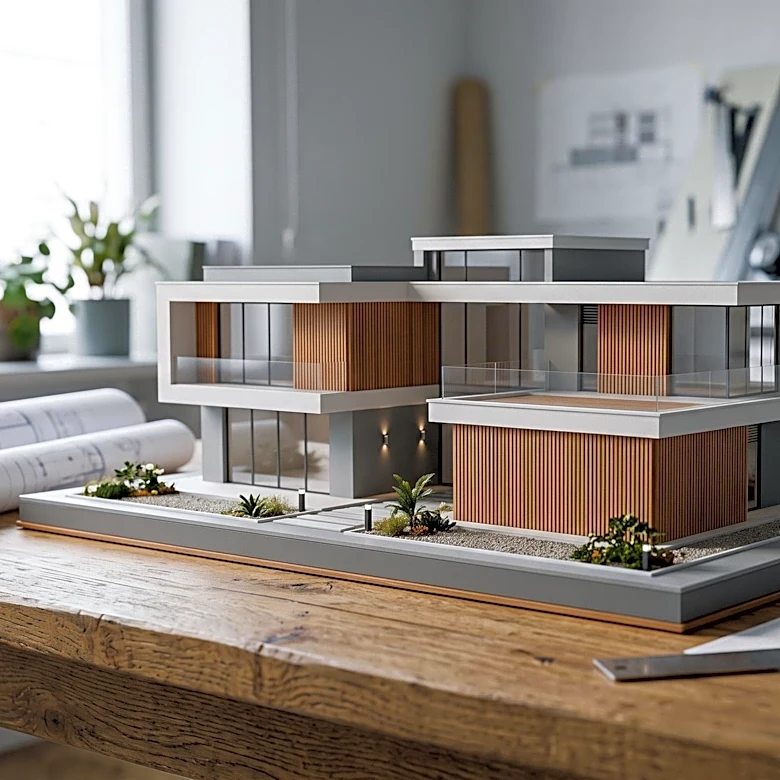
The interior design industry is experiencing a significant transformation with the advent of advanced AI tools. Veras, for instance, allows designers to explore numerous design variations, making precise adjustments to geometry or materials while maintaining
the overall structure. This tool supports various workflows, including converting sketches or 3D models into visuals, and even transforming images into editable 3D scenes for software like Revit, Rhino, or SketchUp. Another prominent tool, House AI, connects with AI assistants to provide photorealistic redesigns of rooms, houses, and yards. It also links users to real furniture and decor products available for purchase. DomuS3D Essentials offers AI-powered design and rendering capabilities, featuring AI-assisted wall recognition and realistic image transformations. These tools aim to streamline the design process, from initial concept ideation to detailed visualization and documentation, by leveraging AI to generate and refine design elements rapidly.
Why It's Important?
The integration of AI into interior design workflows holds substantial importance for U.S. industries and professionals. Designers can now accelerate the conceptualization and visualization phases, reducing the time and resources traditionally required for rendering and client presentations. This efficiency can lead to faster project turnaround times and increased client satisfaction, as clients can visualize design options more clearly and make informed decisions earlier. The ability to generate editable 3D models from AI-created visuals bridges the gap between conceptualization and practical application, allowing designers to seamlessly transition from AI-generated ideas to detailed architectural plans. Furthermore, tools like House AI, which link designs to actual retail products, could significantly impact the e-commerce sector by creating direct pathways from design inspiration to product purchase, benefiting furniture retailers and decor brands.
What's Next?
The future of AI in interior design is likely to see continued advancements in realism, integration, and user-friendliness. We can anticipate further development of AI models that offer even more precise control over design elements and better adherence to specific instructions, reducing the need for extensive post-generation editing. The trend of integrating AI tools directly into existing design software platforms (like Revit, SketchUp, and Archicad) will likely expand, creating more seamless workflows for designers. Additionally, the connection between AI design platforms and e-commerce will probably strengthen, potentially leading to more sophisticated virtual try-on experiences for furniture and decor. Training and educational programs for designers will also need to evolve to equip professionals with the skills to effectively leverage these new AI-powered tools, ensuring the industry can fully capitalize on these technological advancements.
Beyond the Headlines
Beyond the immediate practical benefits, the widespread adoption of AI in interior design raises deeper implications. Ethically, questions may arise regarding the originality and authorship of designs heavily influenced by AI algorithms. Legal frameworks might need to adapt to address intellectual property rights for AI-generated designs. Culturally, these tools could democratize design, making professional-grade visualizations accessible to a broader audience, potentially shifting the role of traditional interior designers from sole creators to curators and refiners of AI-generated concepts. There's also the potential for AI to foster greater sustainability in design by quickly generating and evaluating eco-friendly material options and energy-efficient layouts. However, designers will need to maintain a critical eye, ensuring that AI outputs align with human needs, functionality, and aesthetic principles, rather than blindly accepting AI-generated suggestions.