




What's Happening?
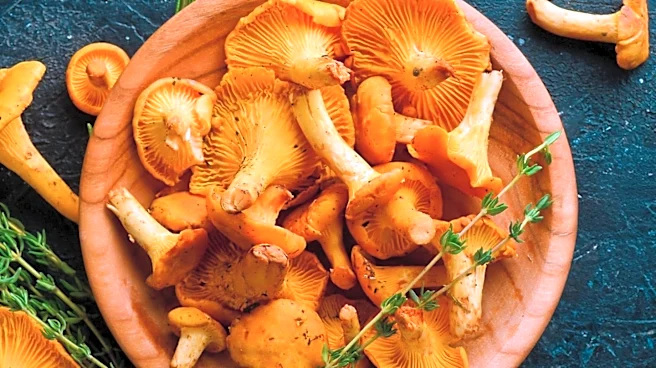
Chanterelle mushrooms are highly prized in the U.S. for their rich, subtly fruity, nutty, and savory taste, making them a favored ingredient in various cooked culinary preparations. These mushrooms are particularly effective when incorporated into dishes
with rich but mild-flavored ingredients, allowing their delicate taste to become a focal point. Common cooking methods include preparing them in cream-based sauces, wine, or butter. They are frequently roasted or sautéed as a simple side dish. Globally, Chanterelles are often used in pasta, risotto, and egg-based dishes like quiche and omelets. In the United States, they are also commonly found in soups, stews, and rice dishes, or served as an accompaniment to roasted meats.
Why It's Important?
The culinary prominence of Chanterelle mushrooms in the U.S. highlights a significant trend in the food industry: the increasing demand for gourmet, seasonal, and naturally flavorful ingredients. Their status as a premium variety, often foraged rather than commercially cultivated, underscores a consumer preference for unique and high-quality produce. This demand impacts local economies by supporting foragers and specialty food markets. For restaurants, Chanterelles offer an opportunity to create distinctive seasonal menus, attracting diners seeking sophisticated and fresh dining experiences. The versatility of Chanterelles also encourages culinary innovation, pushing chefs to explore new flavor combinations and cooking techniques, thereby enriching the overall U.S. food landscape.
What's Next?
Given their popularity, the demand for Chanterelle mushrooms in the U.S. is likely to remain strong, especially during their seasonal availability from summer through early winter. Efforts to cultivate these challenging fungi commercially may increase to meet demand, potentially making them more accessible and affordable. We might see more culinary schools and cooking shows featuring Chanterelle-based recipes, further educating home cooks on their preparation. The continued emphasis on farm-to-table and locally sourced ingredients will also keep Chanterelles in the spotlight, encouraging sustainable foraging practices and supporting local food systems. This could also lead to a greater appreciation for other wild-foraged ingredients in the U.S. market.
Beyond the Headlines
The enduring appeal of Chanterelle mushrooms in the U.S. reflects more than just a culinary preference; it speaks to a broader cultural connection with nature and the tradition of foraging. Their historical association with luxury and their continued status as a premium ingredient highlight how food can symbolize status and cultural heritage. The challenges in commercial cultivation also underscore the delicate balance between human consumption and ecological preservation, raising questions about sustainable harvesting and the impact of climate change on wild fungi populations. Furthermore, the act of seeking out and preparing seasonal ingredients like Chanterelles fosters a deeper appreciation for the natural world and the cycles of nature, influencing consumer choices towards more mindful and environmentally conscious eating habits.