
What's Happening?
The latest trends in outdoor fire pit design are moving beyond traditional materials to incorporate natural stone, tile, and architectural integration, aiming to extend the usability of outdoor spaces
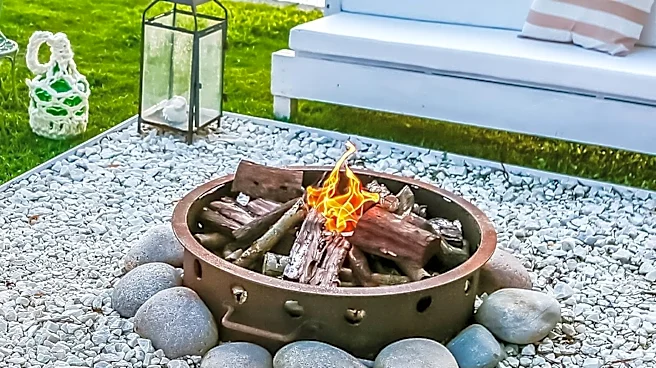
and create focal points. Designers are utilizing materials like raw stone for an organic feel, as seen in Japanese-inspired gardens, and durable tiles such as zellige for added texture and color, reflecting a 1970s retro aesthetic. There's also a focus on blending fire pits and fireplaces with a home's architecture, using reclaimed bricks from the interior to construct outdoor features, thereby creating a strong connection between indoor and outdoor living spaces. Custom concrete fire pits with fluted details are also being used to echo interior styling, serving as both a gathering place and a coffee table. These design choices emphasize material layering and thoughtful placement to enhance curb appeal and functionality.
Why It's Important?
These evolving trends in outdoor fire pit design are significant for U.S. homeowners and the landscape design industry. By integrating fire pits as central design elements rather than afterthoughts, they elevate the aesthetic value and functionality of outdoor living spaces, potentially increasing property values. The use of diverse materials like natural stone and tile offers designers more creative freedom and allows for greater personalization, catering to a wider range of client preferences. Furthermore, the emphasis on architectural integration fosters a seamless transition between indoor and outdoor environments, promoting a more cohesive and enjoyable living experience. This shift encourages innovation in outdoor product manufacturing and installation, creating new opportunities for businesses in the home improvement and landscaping sectors. Homeowners stand to gain from more sophisticated and comfortable outdoor areas, extending the seasons during which these spaces can be utilized for entertainment and relaxation.
What's Next?
The continued evolution of outdoor fire pit design is likely to see further innovation in materials and integration with smart home technologies. We can anticipate more designers exploring sustainable and locally sourced materials, as well as advanced heating elements that offer greater efficiency and control. The trend of blending indoor and outdoor aesthetics suggests a future where outdoor spaces are increasingly viewed as extensions of the home, leading to more sophisticated and permanent installations. Manufacturers may introduce modular fire pit systems that allow for greater customization and easier installation. Additionally, there could be a rise in demand for multi-functional outdoor furniture that incorporates fire features, further blurring the lines between traditional outdoor and indoor living. The focus on creating inviting and functional outdoor gathering spaces will continue to drive demand for these design-led fire pit solutions.
Beyond the Headlines
Beyond the immediate aesthetic and functional benefits, these design trends reflect a broader cultural shift towards valuing outdoor living and creating more intentional, well-designed home environments. The integration of fire pits as architectural elements speaks to a desire for permanence and quality in outdoor spaces, moving away from temporary or utilitarian setups. This trend also highlights a growing appreciation for craftsmanship and unique material applications in home design. Ethically, the choice of materials and construction methods could increasingly lean towards sustainability and local sourcing, impacting supply chains and manufacturing practices. Culturally, these enhanced outdoor spaces foster community and social interaction, providing inviting settings for gatherings and relaxation. The long-term implication is a redefinition of the 'home' to include meticulously designed exterior areas that offer comfort, beauty, and a strong connection to nature, ultimately enriching the quality of life for residents.