




What's Happening?
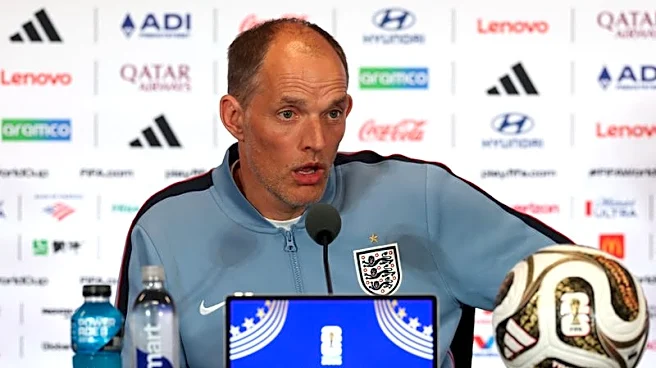
England's national football team concluded their World Cup journey with a third-place finish after a high-scoring 6-4 victory over France. Despite this achievement, the campaign was marred by internal disagreements over head coach Thomas Tuchel's tactics,
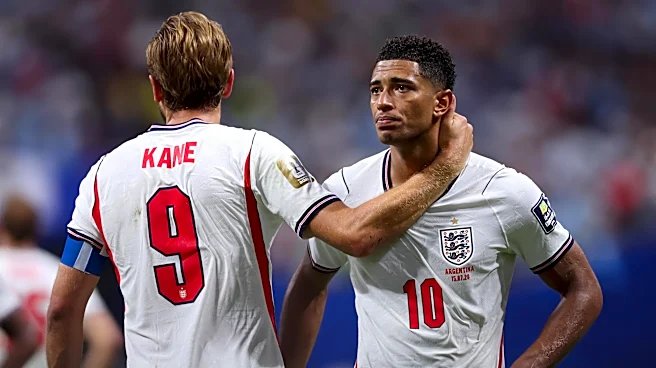
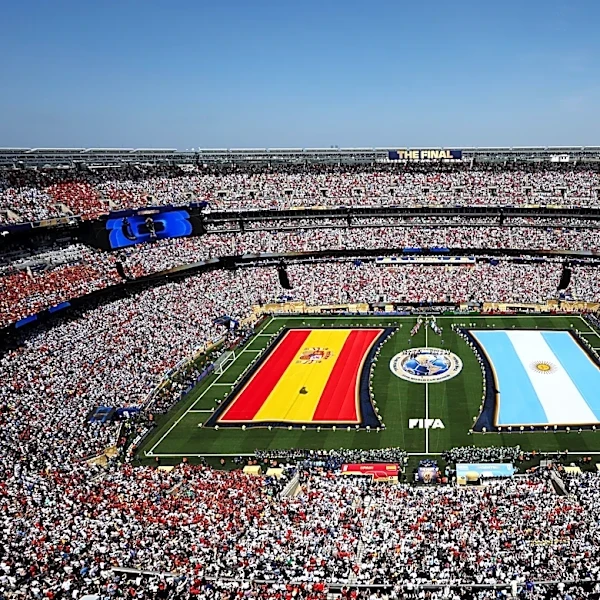
particularly following a semi-final loss to Argentina. The team, which was ranked fourth globally at the start of the tournament, reached the semi-finals for the third time since 1966. However, the loss to Argentina highlighted strategic issues, with some players reportedly dissatisfied with Tuchel's defensive approach. The Football Association has expressed continued support for Tuchel, intending for him to lead the team into Euro 2028, despite fan discontent and tactical criticisms.
Why It's Important?
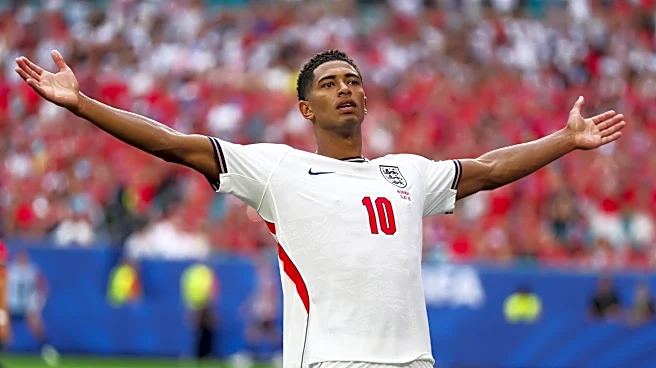
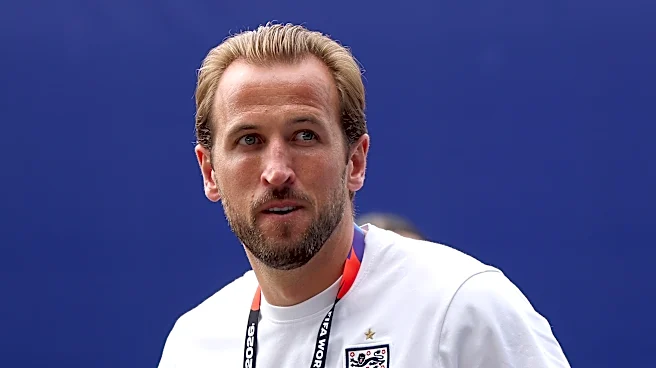
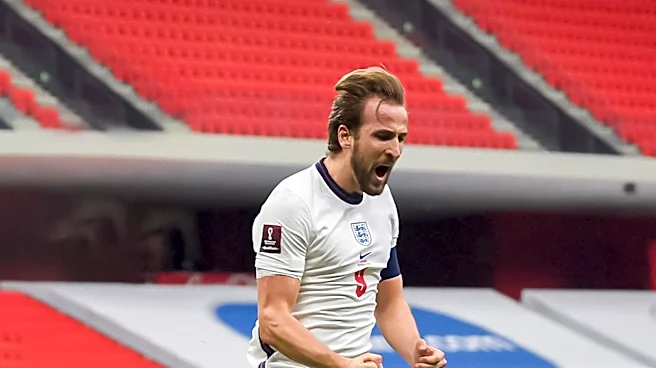
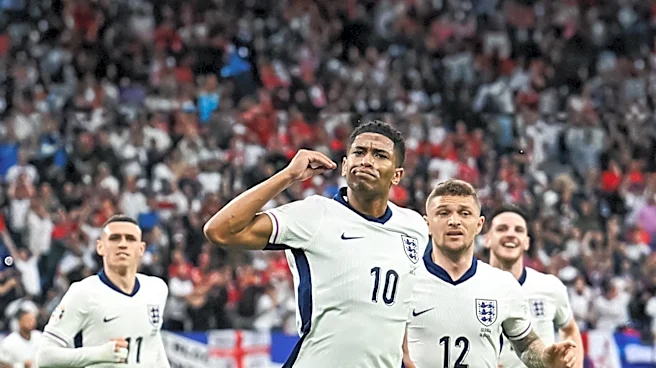
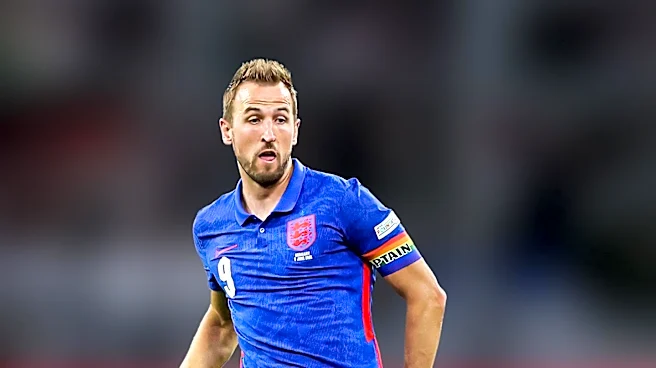
The outcome of England's World Cup campaign holds significant implications for the team's future strategy and management. The internal discord and public dissatisfaction with Tuchel's tactics underscore the challenges in achieving major tournament success. The Football Association's decision to back Tuchel suggests a commitment to stability, yet the pressure remains on him to address tactical shortcomings and player morale. The performance of key players like Harry Kane and Jude Bellingham was crucial, but the team's inability to capitalize on their talents in critical moments raises questions about future tournament prospects. The situation highlights the broader issue of balancing strategic innovation with player and fan expectations in international football.
What's Next?
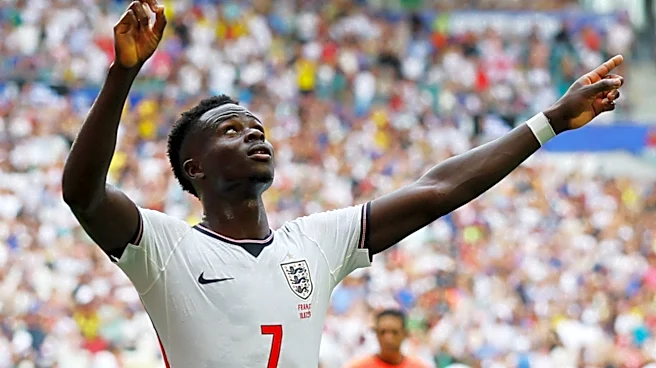
Looking ahead, England must address the tactical and managerial challenges identified during the World Cup. The focus will be on preparing for Euro 2028, with potential changes in team dynamics and strategy. The emergence of young talents like Rio Ngumoah and Max Dowman offers opportunities for rejuvenation. However, Tuchel's ability to adapt and innovate will be crucial in overcoming the tactical criticisms and ensuring the team's competitiveness. The Football Association's support for Tuchel will be tested by his capacity to reconcile player discontent and fan expectations, particularly if results do not improve in upcoming tournaments.
Beyond the Headlines
The tactical debates surrounding England's World Cup performance reflect broader themes in sports management, such as the balance between strategic conservatism and innovation. Tuchel's experience in club football contrasts with the unique pressures of international tournaments, where player morale and public perception play significant roles. The situation also highlights the cultural expectations placed on national teams, where historical successes and failures shape current narratives. The ongoing support for Tuchel suggests a willingness to invest in long-term development, but the need for immediate results remains a critical factor in shaping the team's future.