



What's Happening?
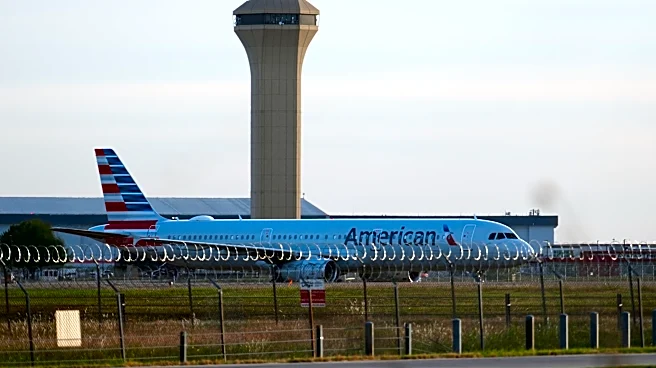
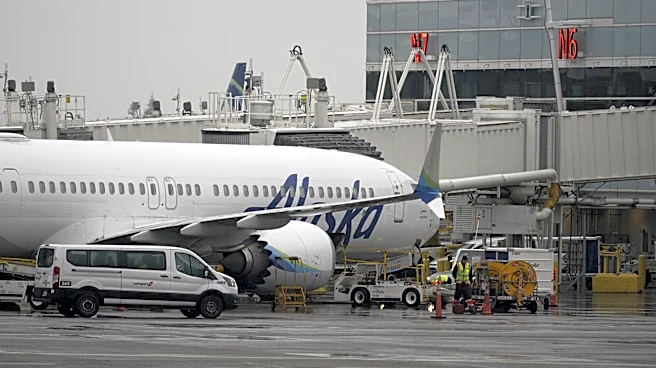
Major U.S. sporting events experienced significant disruptions and subsequent adjustments on Saturday following a nationwide Federal Aviation Administration (FAA) ground stop that occurred on Friday. The ground stop, which lasted several hours, impacted
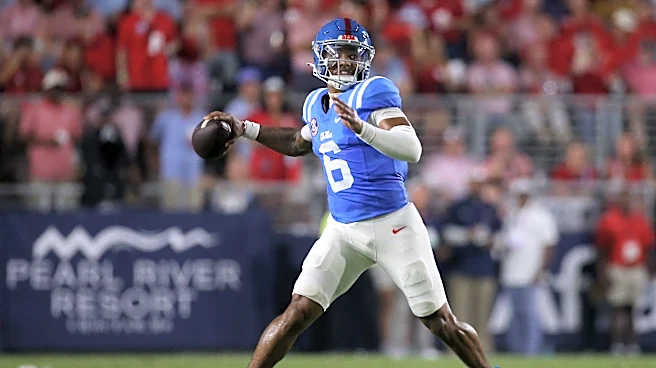
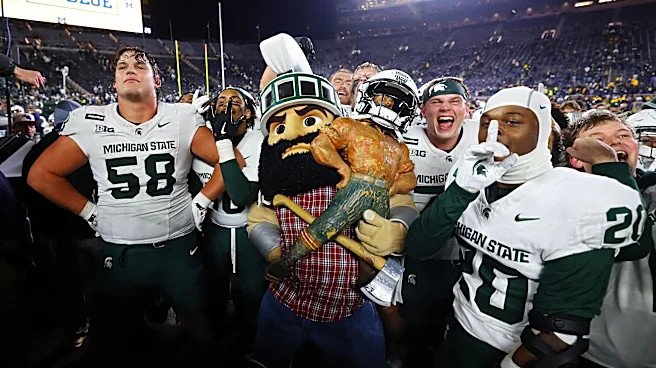
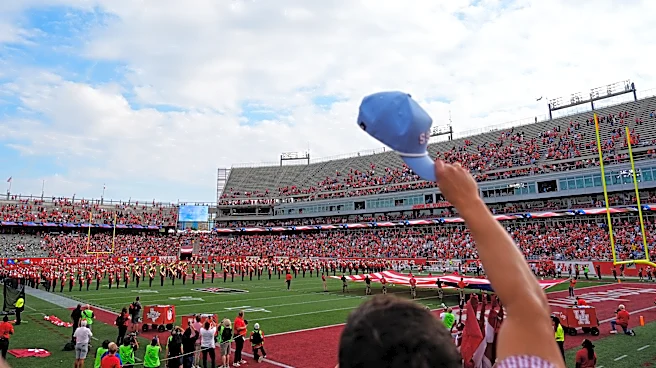
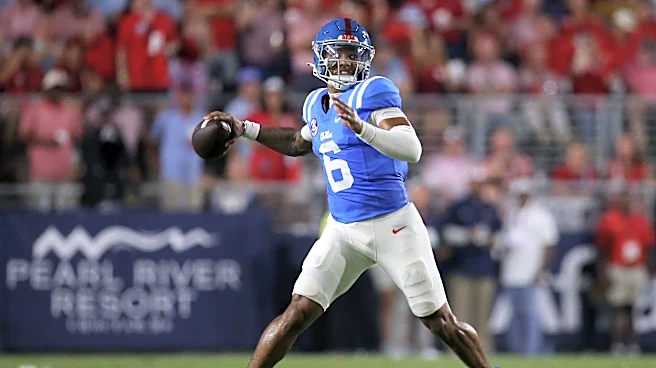
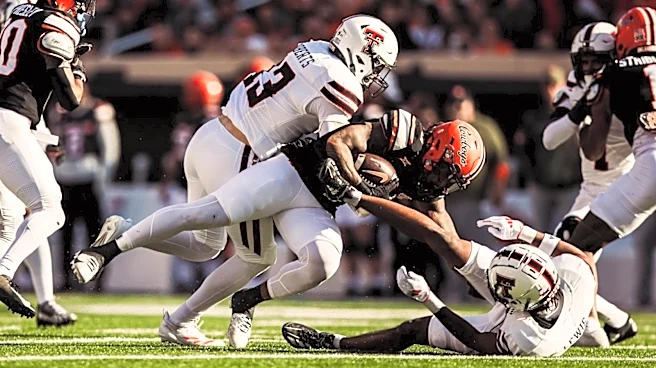
travel plans for professional and college teams across the country. Many college football games scheduled for Saturday were delayed by hours to allow visiting teams sufficient time to arrive and prepare. For instance, No. 2 Utah's game at No. 22 Arizona and Arizona State's game at Central Florida were both pushed back by three hours. The No. 19 Mississippi game at Oklahoma was rescheduled entirely to Sunday. In women's basketball, the third-ranked Southern California team had their flight to face top-ranked South Carolina delayed, while Fairleigh Dickinson's women's basketball team opted for a 10-hour bus ride after their flight was canceled. NBA teams were generally less affected, with the Cleveland Cavaliers being an outlier, having to fly on Saturday morning for their evening game against the Dallas Mavericks after being stranded in Miami. The NFL, with its Sunday slate, saw minimal impact on teams but required adjustments for officials, with one referee, Don Willard, scheduled to work two games on the same day due to rerouting.
Why It's Important?
The FAA ground stop's impact on U.S. sports highlights the intricate logistical challenges and financial dependencies within the professional and collegiate athletic ecosystems. The disruption forced leagues, teams, and event organizers to make rapid, costly adjustments, including rescheduling games, rebooking travel, and altering player preparations. This incident underscores how critical national infrastructure, such as air travel, is to the functioning of large-scale entertainment industries like sports. Delays and cancellations can lead to significant revenue losses from ticket sales, broadcasting rights, and concessions, affecting team finances and league operations. For athletes, altered travel schedules can impact performance, increase fatigue, and potentially lead to injuries due to rushed preparations or lack of rest. The need for quick adaptation, as demonstrated by teams opting for bus travel or playing back-to-back games, showcases the resilience but also the vulnerability of sports organizations to external systemic failures. This event serves as a reminder of the broader economic and social ripple effects of disruptions to essential services.
What's Next?
Following the immediate adjustments, U.S. sports leagues will likely review their contingency plans for widespread travel disruptions. This could involve re-evaluating travel protocols, exploring alternative transportation methods for shorter distances, or building more flexibility into game schedules. Teams and leagues may also consider increased use of charter services or pre-positioning teams earlier for critical matchups to mitigate risks associated with national travel interruptions. The financial implications of the ground stop, including unexpected costs for rebooking and potential revenue losses, will be assessed by affected organizations. While the immediate impact on most sports schedules has been managed, the incident could prompt discussions within sports management about the long-term resilience of their operational models against unforeseen national-level events. The experience of officials like Don Willard, working multiple games due to rerouting, might also lead to revised protocols for assigning and managing game personnel during travel crises.
Beyond the Headlines
The FAA ground stop's ripple effect on U.S. sports extends beyond mere scheduling inconveniences, touching upon the psychological and physical toll on athletes and support staff. The pressure to perform at peak levels, even after disrupted travel and altered routines, highlights the demanding nature of professional sports. This event also subtly underscores the economic power of sports, as leagues and teams possess the resources and influence to rapidly adapt and find solutions, such as chartering buses or making last-minute hotel arrangements, which might not be available to the general public. Furthermore, the incident could spark conversations about the environmental impact of increased reliance on alternative, potentially less efficient, travel methods during such crises. It also serves as a cultural touchstone, demonstrating how deeply integrated sports are into the fabric of American life, with disruptions affecting not just the participants but also millions of fans whose leisure and entertainment plans are intertwined with these events.