




What's Happening?
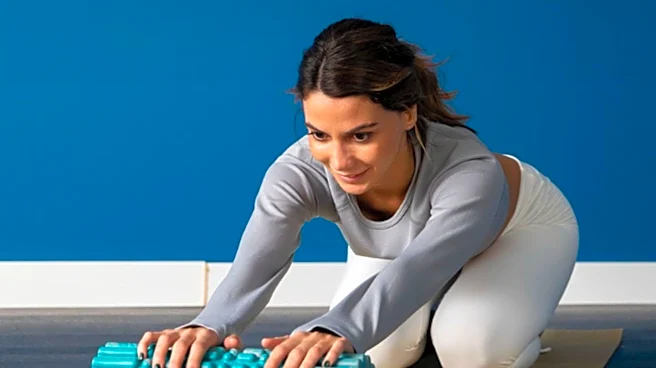
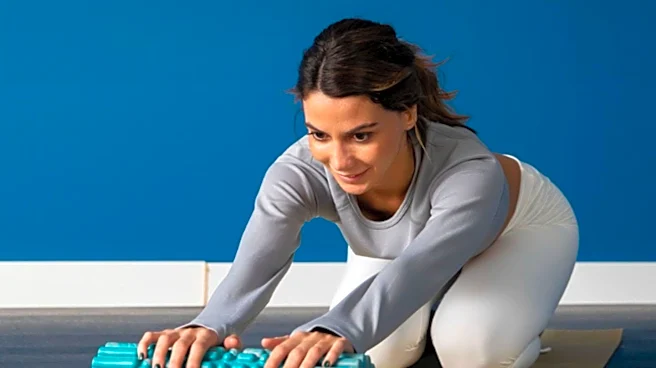
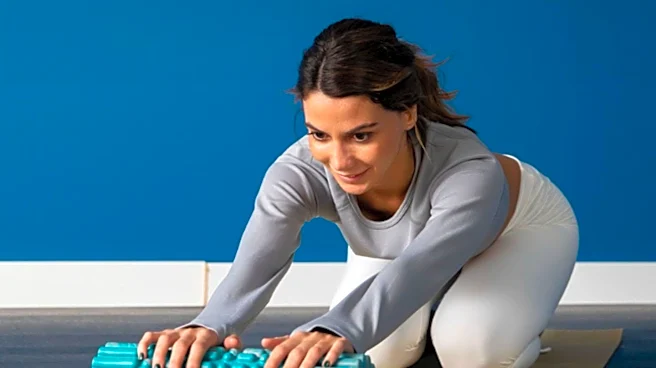
Foam rollers, also known as fascia or massage rollers, are self-massage tools designed to enhance muscle and connective tissue flexibility and aid in recovery. These tools are effective in releasing muscular tension, which is a common cause of non-specific
back pain, by stimulating blood circulation and improving mobility. The market offers a variety of foam rollers, differing in firmness, size, and surface texture to cater to various needs. Soft rollers are ideal for beginners or those with pain sensitivity, while medium rollers provide a balanced intensity for most users. Hard rollers are designed for experienced individuals and athletes seeking deep-tissue massage. Sizes range from standard (30-45 cm) for large muscle groups to shorter models for targeted areas, and specialized shapes like fascia balls for pinpoint trigger point massage. Surface textures can be smooth for even pressure distribution or textured with knobs and grooves for more intense, targeted deep-tissue work.
Why It's Important?
The widespread availability and diverse functionality of foam rollers make them a significant tool for personal health and wellness, particularly for individuals engaged in physical activity or those experiencing muscle tension. Their ability to facilitate myofascial release can contribute to improved physical performance, reduced post-exercise soreness, and enhanced overall mobility. For those with back pain, foam rollers offer a non-pharmacological approach to tension relief, potentially reducing reliance on other interventions. The variety of options ensures that individuals can select a roller that matches their specific needs, pain tolerance, and target areas, making muscle recovery and flexibility improvement accessible to a broader population. This self-care tool empowers individuals to manage their muscular health proactively, complementing professional therapeutic treatments.
What's Next?
As awareness of self-care and muscle recovery grows, the market for foam rollers is likely to continue expanding with further innovations in materials, designs, and specialized applications. Consumers can expect to see more advanced ergonomic shapes, varying densities within a single roller, and potentially integrated technologies for enhanced feedback or guided use. Educational resources on proper foam roller techniques will also become more prevalent, ensuring users maximize benefits and avoid injury. The integration of foam rolling into broader fitness and wellness programs, both in gyms and for home use, is also anticipated, solidifying its role as a staple in personal physical maintenance routines. Further research may also emerge, providing more specific guidelines on optimal usage for various conditions and populations.
Beyond the Headlines
Beyond their immediate physical benefits, foam rollers represent a broader trend towards accessible, at-home wellness solutions. They embody a shift in healthcare philosophy, empowering individuals to take a more active role in their physical well-being and recovery. This tool democratizes access to techniques previously associated with professional massage or physical therapy, making myofascial release a routine part of many people's lives. The simplicity and effectiveness of foam rollers also highlight the body's inherent capacity for self-healing and the importance of consistent, low-impact interventions in maintaining long-term physical health. This trend could lead to greater integration of self-massage tools into preventative health strategies and a more holistic approach to physical fitness and pain management.