







What's Happening?
The U.S. is set to release key inflation data, including the Consumer Price Index (CPI) and Producer Price Index (PPI), which are expected to show modest increases. The CPI is forecasted to rise by 0.1% for the headline rate and 0.2% for the core rate,
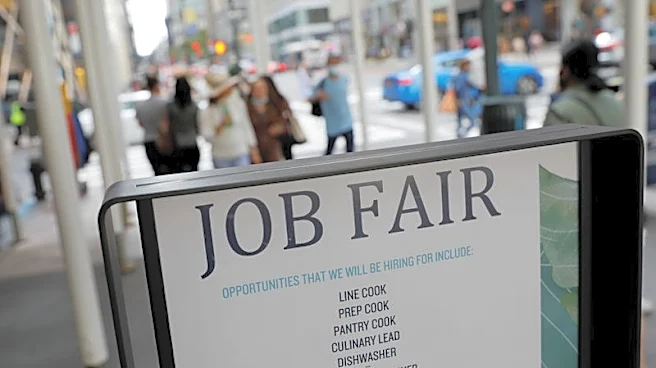
potentially lowering the year-over-year headline rate to 3.4% from 3.5% and the core rate to 2.5% from 2.6%. These figures follow a disappointing July jobs report, which saw a net loss of jobs and a decrease in the unemployment rate due to a lower participation rate. The Federal Reserve is unlikely to adjust interest rates until its September meeting, but the inflation data will be crucial in shaping expectations.
Why It's Important?
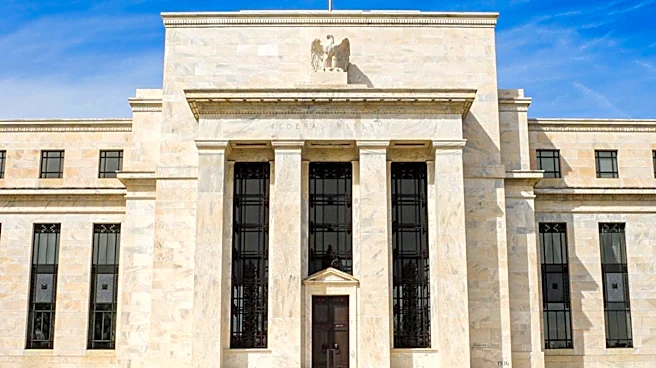
The inflation data will play a significant role in determining the Federal Reserve's approach to interest rates. A softer inflation report could reduce the likelihood of a rate hike, which would have implications for borrowing costs, consumer spending, and economic growth. The financial markets are closely watching these developments, as they provide insights into the Fed's future policy direction. A stable inflation environment could support economic recovery, while higher inflation might necessitate tighter monetary policy, affecting sectors dependent on low interest rates.
What's Next?
The Federal Reserve will analyze the inflation data alongside other economic indicators to decide on its monetary policy at the upcoming September meeting. Market participants will be attentive to any signals from Fed officials regarding potential rate changes. The outcome will influence financial markets, interest rates, and economic strategies for businesses and consumers. Additionally, the release of retail sales data and the University of Michigan consumer survey will provide further insights into the economic landscape.