


What's Happening?
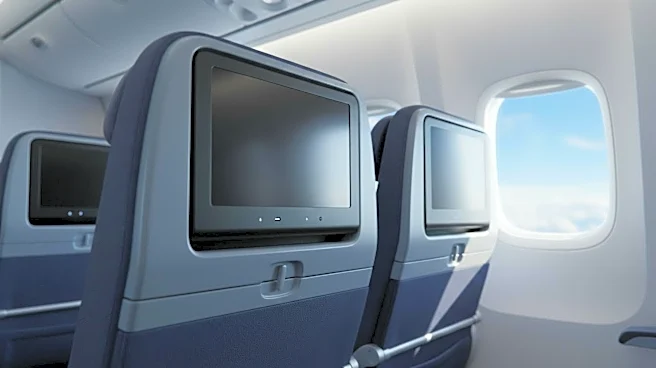
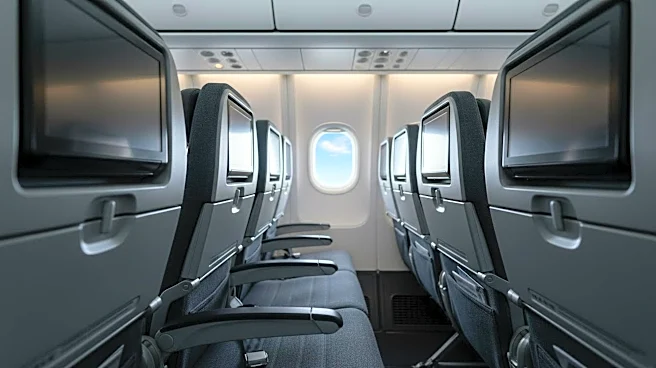
American Airlines announced a reversal of its previous strategy, opting to install 4K seatback screens with Bluetooth audio and USB-C power at every seat on many of its narrowbody Airbus and Boeing jets by 2028. This move marks a departure from its 2017
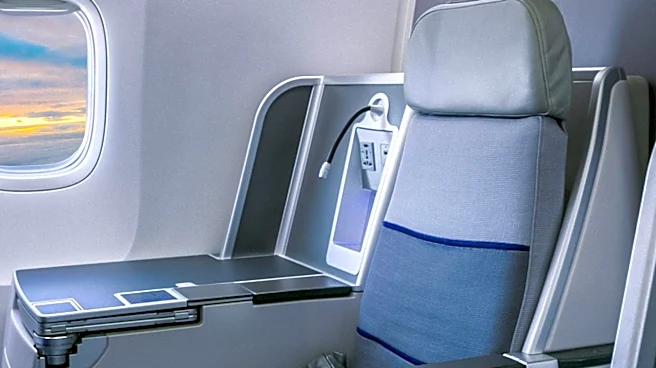
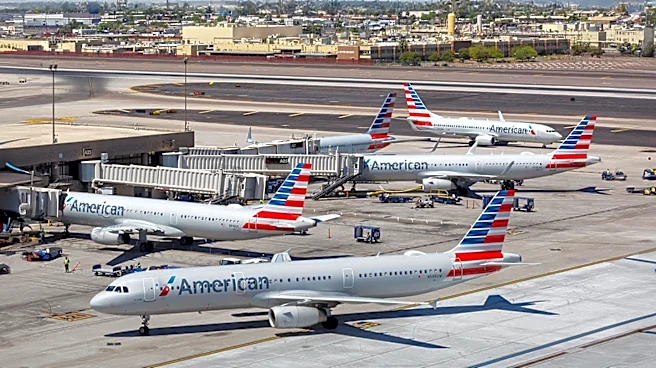
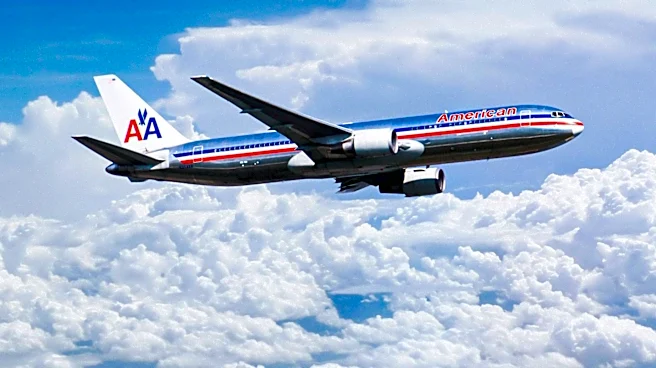
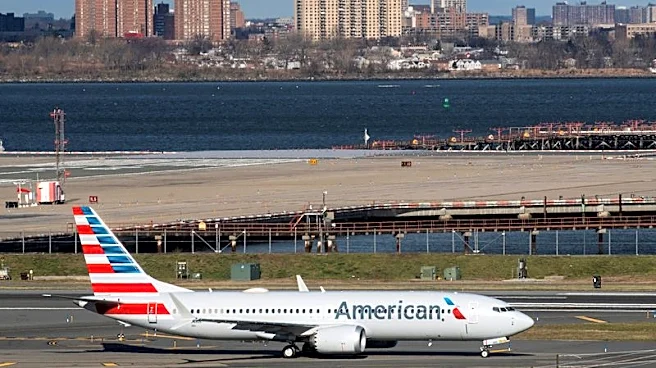
decision to remove or forgo seatback screens, based on the assumption that passengers would use their own devices. The upgrade will apply to 132 Airbus A319s, 310 domestic-configuration A321s, and 303 Boeing 737-800s and 103 737 Max 8s, totaling 848 aircraft. However, 48 older Airbus A320s slated for retirement and 593 smaller regional jets built by Bombardier and Embraer, operated by AA subsidiaries, will not receive the upgrades. The airline also plans to increase the number of first-class and extra-legroom Main Cabin Extra seats on these aircraft, pushing the percentage of seats with more personal space from 25% to about 40%. American Airlines is currently seeking a partner for this technology implementation, prioritizing a scalable platform that can evolve with technological advancements and create incremental revenue opportunities.
Why It's Important?
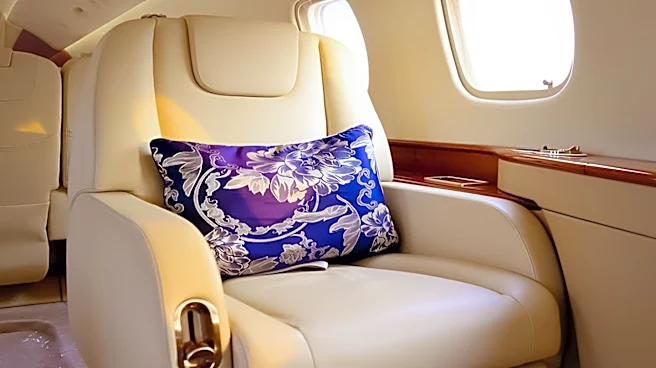
This decision by American Airlines has significant implications for the U.S. airline industry and passenger experience. By reintroducing seatback screens, American Airlines is aligning itself with competitors like Delta and United, who have successfully integrated advanced in-flight entertainment as a key passenger amenity. This shift indicates a recognition that passengers value dedicated entertainment options and reliable connectivity, even with personal devices. For U.S. travelers, this means an improved in-flight experience on American Airlines' narrowbody fleet, potentially influencing their choice of carrier. The investment in 4K screens, Bluetooth audio, and USB-C power reflects a commitment to modernizing the cabin and meeting contemporary passenger expectations. Furthermore, the expansion of premium seating options suggests a strategy to capture higher-yield passengers and enhance revenue, impacting the competitive landscape among major U.S. airlines.
What's Next?
American Airlines will proceed with selecting a technology partner to implement the seatback screen upgrades across its eligible narrowbody fleet, with installations expected to be completed by 2028. This process will involve significant logistical planning and investment. The airline will likely begin marketing these enhanced amenities to passengers as a competitive advantage. Competitors in the U.S. market will closely monitor the impact of these upgrades on passenger satisfaction and market share, potentially leading to further innovations in in-flight entertainment and cabin design across the industry. The focus on creating incremental revenue opportunities through the new platform suggests that American Airlines may explore personalized advertising, premium content, or other ancillary services via the screens. The expansion of first-class and Main Cabin Extra seats will also continue, altering the cabin configuration and pricing strategies for these aircraft.
Beyond the Headlines
American Airlines' reversal on seatback screens highlights a broader industry lesson about anticipating consumer behavior and the limitations of technology-driven assumptions. The initial belief that personal devices would render seatback screens obsolete proved flawed, as passengers still desire a seamless, dedicated entertainment experience without draining their own device batteries. This situation underscores the importance of continuous market research and adaptability in the highly competitive airline sector. The decision also reflects a strategic move to enhance brand perception and customer loyalty, as in-flight amenities increasingly differentiate carriers. Ethically, the pursuit of 'incremental revenue opportunities' through the new platform raises questions about data privacy and the extent to which airlines will leverage passenger attention for commercial purposes. The exclusion of regional jets from these upgrades also points to a potential widening gap in passenger experience between mainline and regional flights, which could impact customer perceptions of the overall American Airlines brand.