



What's Happening?
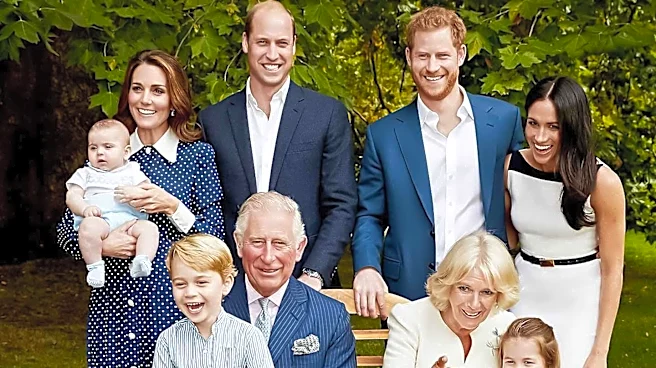
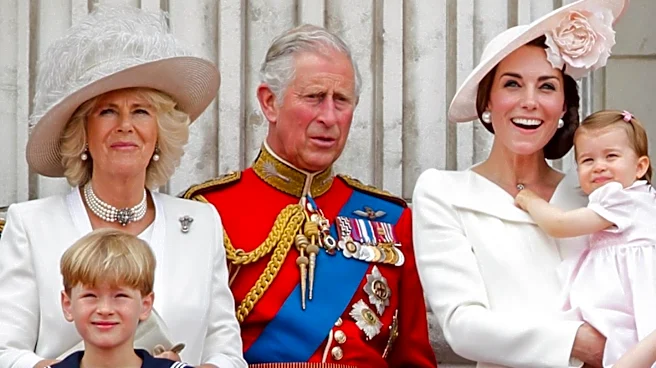
Members of the British Royal Family exhibit diverse watch preferences, often driven by sentiment and practicality rather than sheer monetary value. Prince William has consistently worn an Omega Seamaster Professional 300M quartz, a gift from his mother,
Princess Diana, since the mid-1990s. This 36.25mm steel diver, reference 2561.80.00, has been on his wrist for nearly 30 years, including his wedding and before the coronation. Kate Middleton wears a steel Ballon Bleu de Cartier 33mm, a third wedding anniversary gift from Prince William in 2014, chosen for its blue accents that complement her engagement ring. King Charles III was seen with an 18ct gold Parmigiani Fleurier Toric Chronograph ref C00940 at his coronation, a piece reportedly acquired during a skiing trip in the late 1990s. Prince Harry wore a Rolex Explorer II ref 216570 Polar during his Army service, including deployments in Afghanistan. The collection also includes Princess Diana's Tank Louis Cartier and a gold Patek Philippe, with a Cartier Tank Française later inherited by Prince Harry and gifted to Meghan Markle.
Why It's Important?
The watch choices of the Royal Family offer a unique insight into personal values within a public sphere, contrasting with typical celebrity watch collections often focused on excess. Prince William's dedication to his Omega Seamaster, a gift from his late mother, underscores the emotional significance and sentimental value that can be attached to timepieces, transcending their market price. This emphasis on personal history and enduring connection can influence consumer perceptions, shifting focus from pure luxury to meaningful ownership. The variety of brands, from Omega and Cartier to Parmigiani Fleurier and Rolex, also highlights the diverse appeal of high-end watchmaking, showcasing different styles and functionalities. The fact that some of these watches are relatively modest in value compared to others in the collection also challenges the notion that royal possessions are exclusively extravagant, promoting a more relatable image.
What's Next?
The continued public display of these watches by the Royal Family is likely to maintain or increase interest in specific models and brands, particularly those with a strong sentimental narrative. For instance, the Omega Seamaster Professional 300M quartz, reference 2561.80.00, is already openly listed by dealers as the 'Prince William Seamaster,' indicating a direct market impact. This trend could lead to a rise in demand for vintage or discontinued models associated with royal figures, potentially affecting their secondary market values. Watch brands might also leverage these royal associations in their marketing strategies, emphasizing heritage, sentiment, and durability. Furthermore, the focus on practicality and personal connection could inspire a broader shift in consumer behavior, encouraging more thoughtful and less trend-driven watch purchases.
Beyond the Headlines
Beyond their immediate market impact, the Royal Family's watch choices reflect deeper cultural narratives about tradition, legacy, and personal identity. Prince William's unwavering choice of his mother's gift symbolizes continuity and remembrance, offering a poignant public statement about his personal values. The watches become more than mere accessories; they are artifacts imbued with personal and historical significance, telling stories of family, duty, and individual journeys. This aspect resonates with a broader human desire for objects that carry meaning and connection, rather than just status. The contrast between the public's perception of royal opulence and the often understated, sentimental choices made by family members provides a compelling commentary on authenticity and the quiet power of personal attachment in an increasingly commercialized world.