








What's Happening?
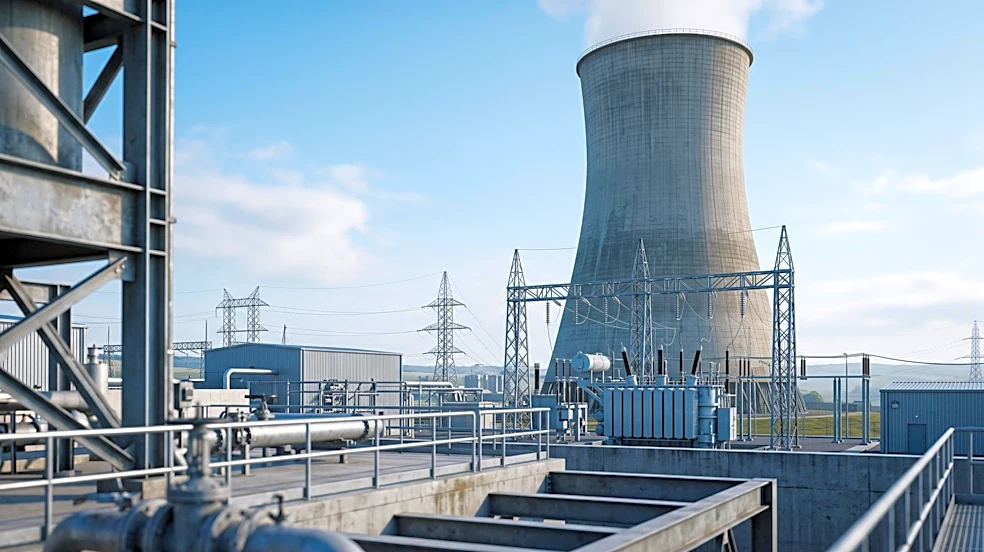
Entergy Louisiana has proposed building ten new gas-fueled power plants to meet the massive power demands of a Meta data center under construction in Richland Parish. The data center is estimated to require approximately 4,500 megawatts of continuous
power. Entergy Louisiana has requested the Public Service Commission to fast-track the approval process for these plans. The utility asserts that a 20-year agreement with Meta mandates the tech company to cover the full cost of new infrastructure, ensuring no subsidization by other customers. This development is part of a broader trend where data center developers are negotiating direct payments to host communities and structured power contracts with utilities. Applied Digital, for instance, has pledged $4 million to the Town of Boyce for improvements related to its Delta Forge I AI Factory, a $3.6 billion data center in Rapides Parish.
Why It's Important?
The construction of new gas-fueled power plants to support Meta's data center highlights the escalating energy demands of the artificial intelligence sector and its significant impact on U.S. energy infrastructure. The proposal by Entergy Louisiana, if approved, would represent a substantial investment in fossil fuel-based energy generation, potentially conflicting with broader environmental goals and clean energy initiatives. Opponents, organized by the Take the Power Back campaign, argue that the scale of power needs is excessive and raise concerns about the strain on the energy grid, water supply, and air quality due to additional gas plants. While Entergy Louisiana emphasizes job creation (over 1,500 during the buildout phase) and Meta's full financial responsibility for infrastructure, the debate underscores the tension between technological advancement, economic development, and environmental sustainability. The Louisiana Public Service Commission's decision not to uphold an administrative law judge's order requiring Meta to disclose job projection and electricity demand methodology further complicates regulatory oversight and transparency.
What's Next?
The Louisiana Public Service Commission will continue its review of Entergy Louisiana's proposal for the ten new gas-fueled power plants. The decision not to require Meta to disclose its job projection and electricity demand methodology means that questions about the project's scale will remain under scrutiny by state regulators. Major stakeholders, including environmental groups and local communities, are expected to continue their opposition, advocating for more transparent processes and environmentally sound energy solutions. The outcome of this regulatory process will likely set a precedent for how large-scale data center energy demands are addressed in Louisiana and potentially other states. Additionally, the ongoing oversight of both the Meta project and the Applied Digital agreement in Boyce will illustrate how data center developments are managed at local and state levels, influencing future community benefit agreements and power contracts.
Beyond the Headlines
The push for new gas power plants for Meta's data center reveals a deeper societal challenge: balancing the rapid growth of AI and its associated infrastructure with environmental concerns and community well-being. The immense power requirements of hyperscale data centers, which can draw magnitudes more energy than standard facilities, are transforming the energy landscape. This situation raises ethical questions about the environmental footprint of technological progress and the responsibility of tech giants and utility companies to pursue sustainable solutions. The reliance on gas-fueled plants, even with claims of no cost burden on other customers, contributes to greenhouse gas emissions, potentially exacerbating climate change. Furthermore, the regulatory challenges and community pushback highlight a growing demand for greater transparency and accountability from corporations and regulatory bodies regarding the long-term impacts of such large-scale industrial developments on local environments and public health.