



What's Happening?
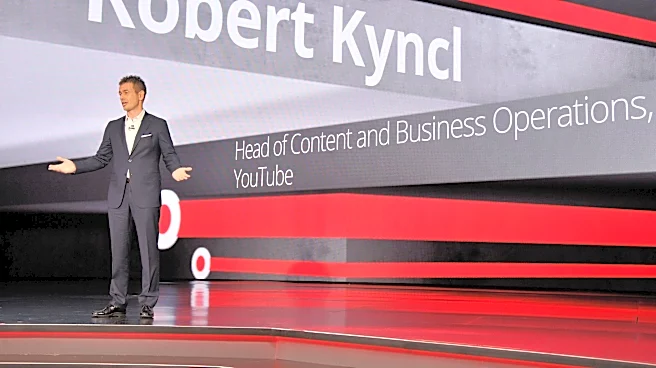
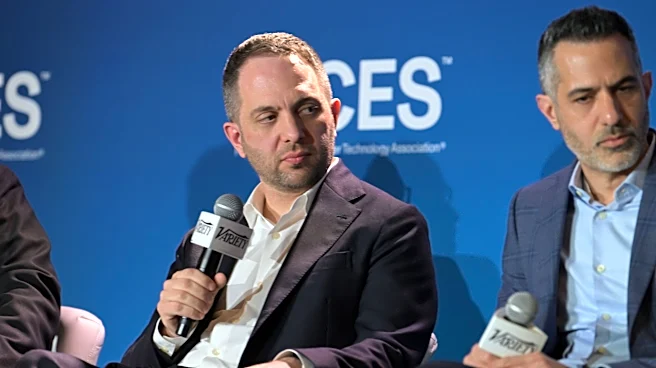
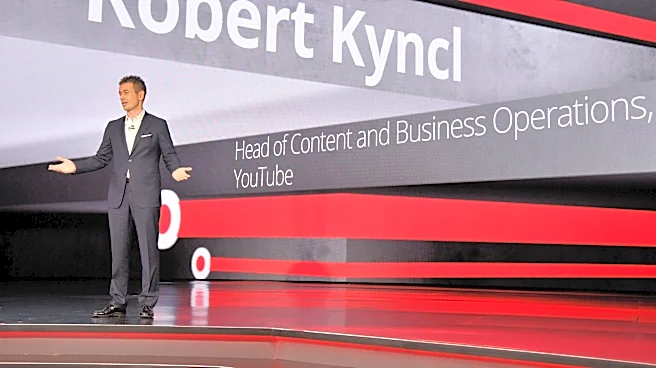
Robert Kyncl, CEO of Warner Music Group (WMG), is scheduled to deliver a keynote address at CES 2027 on January 6 at 2 p.m. in the Palazzo Ballroom at The Venetian in Las Vegas. This marks the first time a leader from a major music company will deliver an official
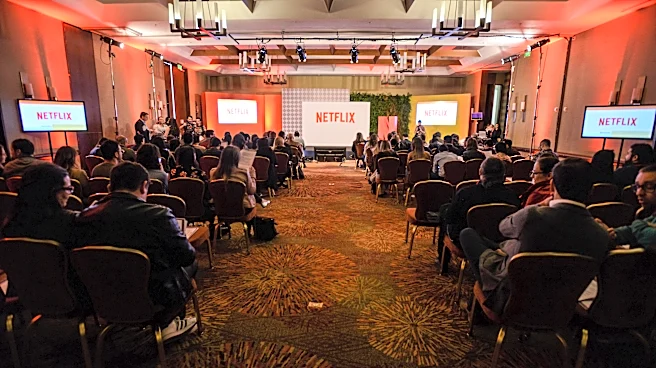
keynote at the prominent technology trade show. Kyncl's presentation will focus on the evolving relationship between technology and music, specifically addressing changes in music creation, distribution, and fan engagement. A significant portion of his discussion will explore the growing role of artificial intelligence within the music industry. The announcement comes as the music sector continues to grapple with the implications of AI-powered tools and platforms, particularly concerning artist rights, licensing, and new avenues for audience interaction. Before his tenure at WMG, Kyncl held positions as chief business officer at YouTube, where he contributed to the development of its creator ecosystem and subscription services, and spent seven years at Netflix, aiding its transition to streaming.
Why It's Important?
Kyncl's keynote at CES 2027 is significant as it places the music industry's technological evolution at the forefront of a global innovation platform. His address will highlight how technology, especially artificial intelligence, is reshaping fundamental aspects of music, from how it's made to how it reaches listeners. This discussion is crucial for artists, songwriters, and industry stakeholders who are navigating the complexities of AI's impact on creativity, intellectual property, and revenue streams. By addressing these topics at CES, WMG aims to influence the conversation around responsible technological integration and innovation within the creative arts. The keynote also underscores the increasing convergence of the technology and entertainment sectors, signaling a future where technological advancements will continue to drive significant shifts in cultural industries. The insights shared could set precedents or spark new dialogues on how to balance technological progress with the protection and promotion of human artistry.
What's Next?
Following Kyncl's keynote, the music and technology industries will likely observe increased discussions and potential collaborations aimed at addressing the challenges and opportunities presented by AI. The presentation could influence future policy debates regarding artist rights and licensing in the age of AI-generated content. Stakeholders, including tech companies, record labels, and artist advocacy groups, may use the insights from the keynote to refine their strategies for developing and implementing AI tools. Furthermore, the event could spur further innovation in music technology, leading to new platforms for creation, distribution, and fan interaction. The livestream of the keynote on CES.tech and social media channels will ensure broad accessibility, potentially fostering a wider public discourse on the future of music and technology. WMG's proactive stance on technology and AI, as recognized by TIME's 2026 list of Most Influential Companies, suggests continued engagement in shaping these industry shifts.
Beyond the Headlines
Kyncl's keynote extends beyond immediate industry trends, touching upon deeper ethical and cultural implications of technology in art. The focus on AI in music raises fundamental questions about authorship, originality, and the value of human creativity in an increasingly automated world. As AI tools become more sophisticated, the lines between human and machine-generated art may blur, prompting legal and philosophical debates about intellectual property and artistic integrity. This development could also lead to new business models and revenue streams for artists and creators, but it also presents challenges in ensuring fair compensation and preventing exploitation. The discussion at CES could serve as a catalyst for developing industry-wide standards and best practices for AI use, aiming to foster innovation while safeguarding the interests of artists and the authenticity of musical expression. The broader implication is a re-evaluation of what it means to create and consume art in the digital age.