







What's Happening?
HealthTrust, through its Wellness Coordinator Krista Bouchard, is promoting the integration of regular stretching into the workday to improve employee comfort, support physical health, and provide mental resets. The initiative emphasizes that even small,
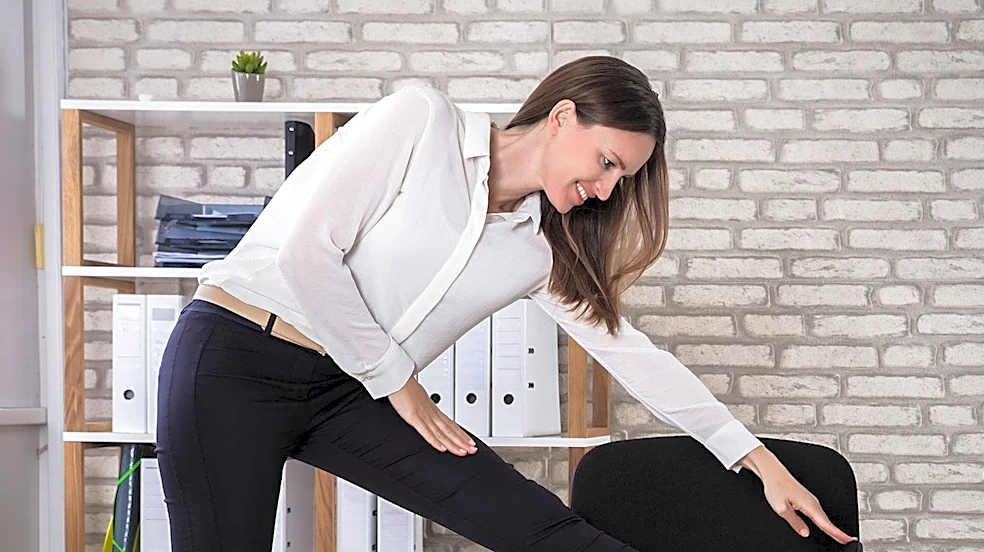
simple changes can significantly impact employee well-being. Prolonged periods of sitting, standing, or repetitive tasks can lead to muscle tightness and stiffness, which regular stretching can alleviate by maintaining flexibility and joint mobility. Beyond physical benefits, stretching is highlighted as a tool for stress management, offering a brief mental break that can relieve muscle tension and encourage mindful breathing. HealthTrust suggests practical strategies for leaders to encourage stretching, such as incorporating one-minute stretch breaks into meetings, encouraging employees to stretch after every hour of sitting, sharing stretching resources, modeling the behavior, and integrating movement into workplace wellness challenges.
Why It's Important?
This initiative by HealthTrust is important for U.S. workplaces as it addresses a prevalent issue of sedentary work and its associated health risks. By promoting regular stretching, employers can potentially reduce physical discomfort and improve posture among their workforce, leading to increased productivity and reduced absenteeism due to musculoskeletal issues. The focus on stress management through brief stretch breaks also acknowledges the growing concern for mental well-being in the workplace. Implementing such simple, low-cost wellness strategies can demonstrate an employer's commitment to employee health, fostering a more positive and supportive work environment. This approach could also lead to a decrease in workplace injuries, particularly for those performing physically demanding or repetitive tasks, thereby reducing workers' compensation claims and healthcare costs for businesses.
What's Next?
The continued promotion of workplace stretching by organizations like HealthTrust suggests a growing trend towards integrating micro-wellness practices into daily work routines. Employers may increasingly adopt these simple strategies, potentially leading to more widespread implementation of stretch breaks, wellness challenges, and the dissemination of stretching resources. This could also encourage the development of more sophisticated workplace wellness programs that incorporate physical activity and mindfulness. As the benefits of such initiatives become more evident, there might be a greater emphasis on preventative health measures in corporate policies, potentially influencing office design to encourage movement and the adoption of ergonomic solutions. The success of these programs could also inspire other organizations to invest in similar, low-barrier wellness interventions.
Beyond the Headlines
The emphasis on workplace stretching reflects a broader cultural shift towards recognizing the interconnectedness of physical and mental health, even within professional settings. It challenges the traditional view of work as solely a mental endeavor, acknowledging the physical toll it can take. This initiative could contribute to a more holistic understanding of employee well-being, moving beyond just benefits packages to actively fostering a healthy work environment. Ethically, it underscores an employer's responsibility to support the long-term health of their employees, especially in an era of increasing screen time and sedentary lifestyles. The normalization of stretch breaks could also subtly alter workplace culture, making it more acceptable and even encouraged for employees to prioritize their physical comfort and mental refresh throughout the day, potentially leading to a more engaged and resilient workforce.