







What's Happening?
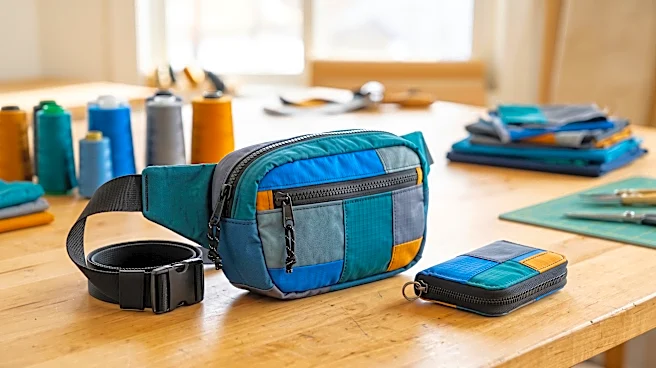
BirdieBlue, a Stowe, Vermont-based company, is actively engaged in upcycling unused ski and snowboarding gear, along with various types of scrap fabric, into new accessories. The company's mission is centered on reducing waste by giving these materials
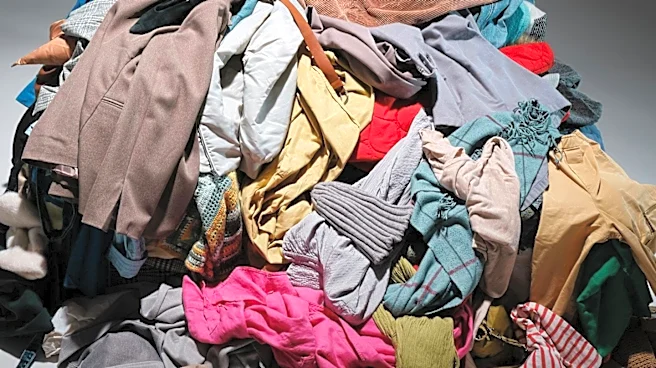
a second life, thereby keeping them out of landfills. Founder Kate Harvey initiated the business in 2022 after her own ski pants ripped, leading her to repurpose them into zip wallets. Since then, BirdieBlue has expanded significantly, moving from a small studio to a larger manufacturing space and growing its team. They collect a substantial amount of clothing waste, estimating they have saved approximately 50,000 pounds of gear through their upcycling and downcycling efforts. The process involves washing and breaking down donated gear into usable fabric remnants, which are then distributed to a network of home sewers to create products like fanny packs, scrunchies, and various bags. BirdieBlue also partners with ski mountains and Vermont gear companies, including Burton and Turtle Fur, as well as Sugarbush, Killington, and Stratton, to source materials.
Why It's Important?
BirdieBlue's operations highlight a growing trend in sustainable manufacturing and consumption within the U.S., particularly in the outdoor recreation industry. By upcycling ski gear and fabric scraps, the company addresses the significant environmental problem of textile waste in landfills. This initiative provides a practical model for how businesses can contribute to a circular economy, where materials are reused and repurposed rather than discarded. The partnerships with major ski resorts and gear manufacturers demonstrate a collaborative approach to sustainability, potentially influencing larger corporations to adopt similar waste reduction strategies. For consumers, it offers an option for purchasing products with a reduced environmental footprint, aligning with increasing demand for eco-conscious goods. The company's growth also signifies job creation and economic activity within Vermont's green economy sector, showcasing the viability of sustainable business models.
What's Next?
BirdieBlue aims to become a leading upcycling partner for the outdoor gear industry, indicating plans for further expansion and collaboration with more manufacturers. The company's ambition suggests a future where upcycling becomes a more integrated part of the production and end-of-life cycle for outdoor equipment. As BirdieBlue continues to grow, it may inspire other regions and industries to explore similar upcycling initiatives, potentially leading to broader adoption of sustainable practices across the U.S. The company's commitment to utilizing even the smallest scraps, by partnering with a downcycling company to create home insulation, illustrates a comprehensive approach to waste management that could set a precedent for other businesses. Future developments could include increased public awareness campaigns about textile waste and the benefits of upcycling, further driving consumer demand for such products and services.
Beyond the Headlines
The work of BirdieBlue extends beyond simply creating new products; it represents a shift in consumer and industry mindset towards valuing materials and minimizing waste. This model challenges the traditional linear economy of 'take-make-dispose' by demonstrating the economic and environmental benefits of circularity. Ethically, it promotes responsible consumption and production, encouraging individuals and corporations to consider the lifecycle impact of their purchases and products. Legally, as upcycling gains traction, there may be evolving discussions around intellectual property rights concerning repurposed branded goods, though this specific source does not delve into that. Culturally, the appeal of unique, handcrafted items made from repurposed materials could grow, fostering a greater appreciation for craftsmanship and sustainability. This movement could also lead to educational initiatives, teaching communities about the value of upcycling and empowering individuals to participate in waste reduction efforts.