


What's Happening?
The U.S. personal fragrance market is experiencing significant growth, projected at 4.5% in 2026, largely driven by the rising popularity of gourmand fragrances. These scents, inspired by edible notes like vanilla, caramel, and chocolate, have seen a surge
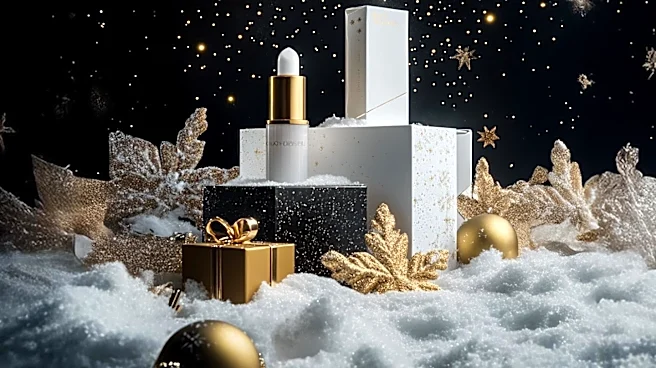
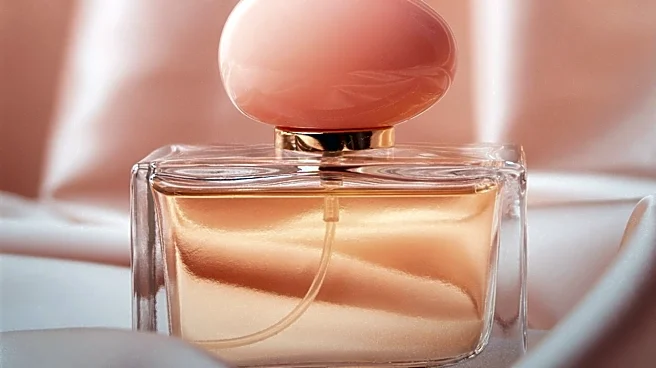
in consumer interest, with TikTok searches increasing over 179% since 2024. Modern gourmand fragrances are evolving beyond simple sweetness to offer more complex, layered, and experimental scent experiences. Brands are enhancing this trend through multi-sensory cues, innovative product formats, and emotionally resonant packaging. New formats include solid perfumes, fragrance balms, body mists, and hair fragrances, which cater to consumers seeking unique experiences and portability. Mini sizes and discovery kits are also popular, encouraging scent layering and trial. Packaging design is crucial, with brands adopting dessert-toned color palettes, glossy finishes, and ingredient-led storytelling to visually reinforce indulgence and escapism, thereby increasing shelf appeal and social media visibility.
Why It's Important?
This shift in the fragrance industry signifies a broader trend towards experiential consumer products and the power of multi-sensory marketing. The emphasis on food-inspired aesthetics and playful packaging allows brands to connect with consumers on an emotional level, particularly appealing to younger demographics influenced by social media trends. The expansion into diverse product formats like solid perfumes and hair fragrances indicates a move beyond traditional fragrance application, offering consumers more versatile ways to incorporate scents into their daily lives. This innovation creates new revenue streams for fragrance companies and expands the market by attracting a wider range of consumers. The visual storytelling through packaging also plays a critical role in brand differentiation in a competitive market, making products more recognizable and shareable online. This trend highlights how consumer preferences for unique, engaging, and visually appealing products are shaping the future of the beauty industry.
What's Next?
The continued popularity of gourmand fragrances is expected to drive further innovation in both scent development and packaging design. Brands will likely explore even more unconventional edible notes and combinations to create novel scent profiles. The trend towards multi-sensory experiences suggests that future products may incorporate elements beyond scent, such as unique textures or even taste, as indicated by the emergence of edible perfumes. Packaging will continue to evolve, with an increased focus on playful, expressive designs and sustainable materials that align with consumer values. The influence of social media, particularly platforms like TikTok, will remain a significant factor in driving trends and consumer engagement, prompting brands to create visually appealing and shareable products. We can anticipate more collaborations between fragrance brands and food-related industries, further blurring the lines between culinary and olfactory experiences.
Beyond the Headlines
The rise of gourmand fragrances reflects a deeper cultural shift towards comfort, nostalgia, and indulgence in consumer preferences. In an increasingly complex world, consumers often seek products that evoke positive emotions and provide a sense of escapism. Food-inspired scents tap into primal associations with pleasure, warmth, and familiarity, offering a form of sensory comfort. This trend also highlights the growing importance of authenticity and storytelling in branding; consumers are drawn to products that offer a narrative, especially one tied to relatable experiences like food. Ethically, the industry may face questions regarding the potential for over-consumption or the blurring of lines between edible and non-edible products. Legally, there could be implications for labeling and ingredient transparency, especially as products become more experimental. Culturally, this trend signifies a broader acceptance of playful and less traditional approaches to luxury and personal care, moving away from rigid, conventional beauty standards.