







What's Happening?
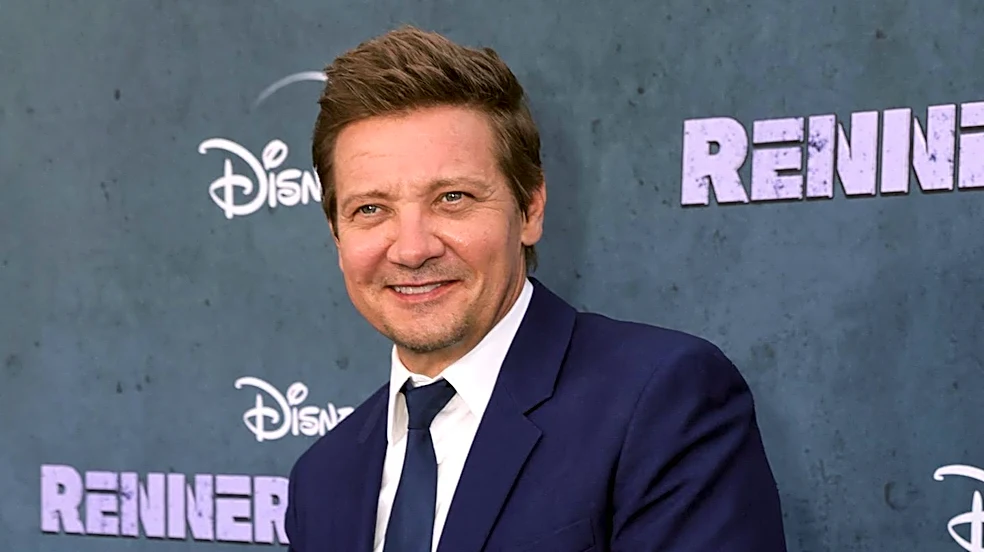
Actor Jeremy Renner, known for his role as Hawkeye, expressed his astonishment at Tesla's recent unveiling of a new flying car, the Roadster. Tesla, along with SpaceX, both owned by Elon Musk, demonstrated the vehicle's capabilities at a test facility
in Texas. The Roadster is reported to achieve 60 mph in under a second and was shown in a video climbing a speed ramp, flipping off, hovering using air jets, and landing softly. Musk confirmed that the car was driverless during the demonstration to ensure safety. He also stated that the car is not currently legal under any jurisdiction and is not optimized for safety, but highlighted the collaboration between Tesla and SpaceX engineers in its development. Renner's reaction, shared on X (formerly Twitter), simply stated 'Wow' after resharing Tesla's video.
Why It's Important?
The unveiling of Tesla's flying car, and Jeremy Renner's public reaction, highlights the ongoing advancements and public fascination with innovative transportation technologies. While the car is currently a prototype and not street-legal, its development signifies a potential shift in the automotive and aerospace industries. This innovation could lead to new regulatory challenges and opportunities for technological breakthroughs in urban mobility and personal travel. The involvement of Elon Musk's companies, Tesla and SpaceX, underscores the convergence of automotive and space technology, pushing the boundaries of what is considered possible in transportation. The public's engagement, exemplified by Renner's reaction, indicates a strong interest in these futuristic concepts, which could drive further investment and research in the sector, potentially impacting infrastructure development and urban planning in the long term.
What's Next?
The immediate next steps for Tesla's flying car concept will likely involve further research and development to address the significant regulatory and safety hurdles. Given Elon Musk's statement that the car is not legal under any jurisdiction, extensive testing and lobbying efforts would be required to integrate such a vehicle into existing transportation frameworks. This could involve working with aviation authorities and road safety organizations to establish new categories of vehicles and corresponding regulations. Public perception and acceptance will also play a crucial role in its future. While the 'Wow' factor is high, transitioning from a demonstration to a viable product will necessitate overcoming challenges related to cost, infrastructure, and public trust. Future developments might include more detailed specifications, safety protocols, and a clearer timeline for potential commercialization, if any, as well as continued public engagement to gauge interest and address concerns.
Beyond the Headlines
Beyond the immediate technological spectacle, Tesla's flying car concept, and the public's reaction to it, touches upon deeper societal and ethical considerations. The idea of personal flying vehicles raises questions about accessibility, environmental impact, and the potential for increased noise and visual pollution in urban areas. There are also significant ethical implications regarding safety and liability in a three-dimensional traffic system. The development of such advanced technologies often exacerbates existing inequalities, as initial access is typically limited to the wealthy. Furthermore, the blend of automotive and aerospace engineering by companies like Tesla and SpaceX could redefine the future of transportation, blurring the lines between different industries and potentially leading to entirely new economic sectors. The 'Wow' factor, while exciting, also prompts reflection on the practicalities and broader consequences of integrating such radical innovations into daily life.