







What's Happening?
UPS, the Atlanta-based global freight transportation and logistics services provider, has launched a new global operating model, effective September 1, alongside several executive appointments. This strategic shift follows the completion of its Amazon
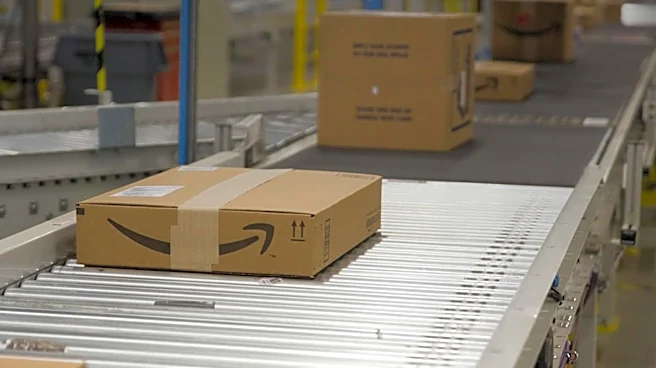
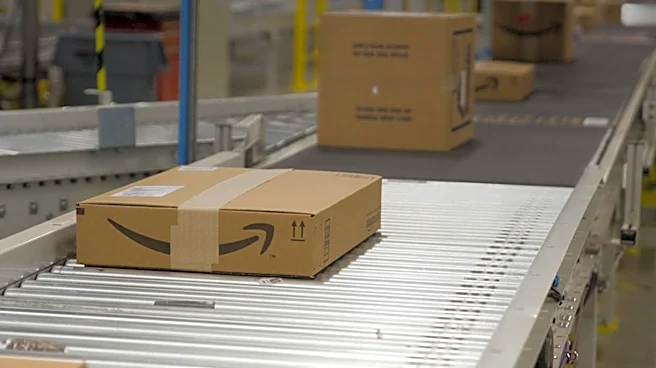
volume 'glide-down' and network reconfiguration in June, allowing UPS to prioritize accelerating profitable growth. The company aims to evolve from an international company into a truly global enterprise by leveraging its worldwide network more effectively. This new model is designed to enhance consistency, agility, and scale for customers, supporting UPS's transition from a small package carrier to an integrated logistics solutions provider. The approach involves standardizing critical operational processes across geographies while maintaining flexibility for local market needs. This move reflects UPS's deliberate strategy to move away from low-yield residential e-commerce delivery, as evidenced by its reduced business relationship with Amazon, and focus on higher-return opportunities.
Why It's Important?
This strategic overhaul by UPS is significant for the U.S. logistics industry and its customers. By shifting away from lower-margin e-commerce volumes, particularly from large clients like Amazon, UPS is signaling a focus on profitability over sheer volume. This could lead to changes in pricing structures and service offerings for various customer segments, potentially impacting small businesses and individual consumers who rely on affordable shipping. The emphasis on integrated logistics solutions and specific sectors like healthcare suggests a move towards higher-value services, which could enhance UPS's competitive position but also alter the landscape for other logistics providers. The company's efforts to reconfigure and automate its U.S. network and remove substantial related expenses indicate a long-term commitment to efficiency and cost reduction. This transformation could set new industry standards for operational models and customer engagement in the logistics sector.
What's Next?
UPS's new global operating model will likely lead to a period of internal adjustments and external market reactions. The company will need to demonstrate its ability to grow profitably without solely relying on increased package volume or extracting more from existing customers through higher rates. The success of this strategy will depend on how effectively UPS can integrate its transportation, healthcare, international, and logistics services into a unified global offering. Customers will be observing whether this change makes UPS easier to do business with, improves service quality, and creates better solutions without simply leading to higher prices. The executive appointments, including Nando Cesarone as Executive Vice President and Chief Global Operations Officer and Matt Guffey as Executive Vice President and Chief U.S. Domestic Officer, indicate a focused leadership structure to implement these changes. The company is also creating a new role for an Executive Vice President and Chief Global Commercial Strategy Officer, signaling a strategic emphasis on market positioning and growth.
Beyond the Headlines
The strategic shift by UPS reflects a broader trend in the logistics industry towards specialization and value-added services, moving beyond the traditional volume-driven model. This could have long-term implications for the competitive landscape, potentially encouraging other carriers to re-evaluate their own business models and customer portfolios. The focus on higher-margin sectors like healthcare logistics highlights the growing importance of specialized supply chains for critical industries. Furthermore, the move away from low-yield e-commerce volume could influence how e-commerce businesses manage their shipping costs and logistics, potentially driving them towards alternative carriers or in-house solutions. This evolution also underscores the ongoing tension between maintaining profitability and meeting the demands of a rapidly expanding, cost-sensitive e-commerce market, prompting a redefinition of what constitutes sustainable growth in the logistics sector.