


What's Happening?
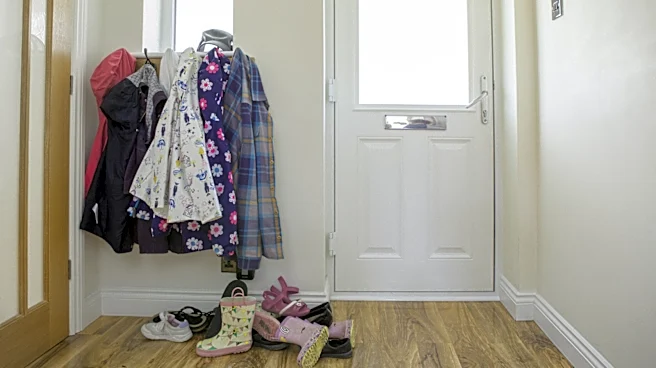
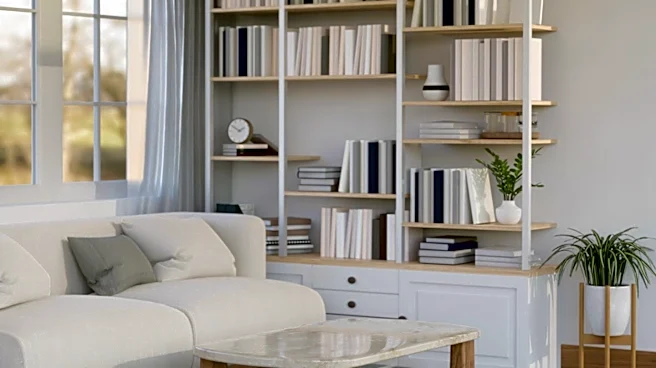
Interior designers are offering insights into the best and worst ways to utilize extra space in homes. Recommendations include using vacuum bags for seasonal clothing storage, adding shelving for books and miscellaneous items, and creating meditation
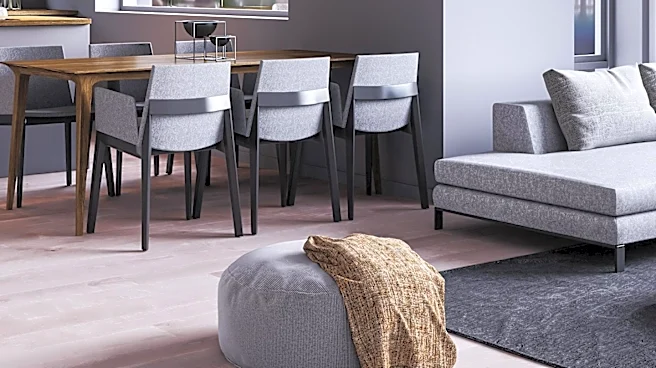
nooks with area rugs. Designers caution against permanent built-in furniture, which can reduce versatility and resale value. Instead, they suggest temporary or movable options. The advice aims to help homeowners maximize space efficiency while maintaining flexibility and aesthetic appeal.
Why It's Important?
Efficient use of space is crucial in both small and large homes, impacting functionality and comfort. The guidance from interior designers highlights the importance of thoughtful planning in home design, which can enhance living conditions and increase property value. By avoiding permanent alterations and opting for versatile solutions, homeowners can adapt their spaces to changing needs and preferences. This approach aligns with broader trends towards minimalism and sustainability, encouraging consumers to make mindful choices in home furnishings and design.
What's Next?
As the demand for flexible and efficient home design continues, designers and manufacturers may develop new products and solutions that cater to these needs. Innovations in modular furniture and storage systems could provide homeowners with more options for customizing their spaces. Additionally, as remote work and lifestyle changes influence home design priorities, there may be a growing emphasis on creating multifunctional spaces that accommodate various activities and uses.
Beyond the Headlines
The focus on space efficiency and versatility in home design reflects broader societal shifts towards sustainability and adaptability. As people seek to reduce their environmental impact and live more sustainably, there is a growing interest in design solutions that minimize waste and maximize utility. This trend may influence future architectural and urban planning practices, promoting more sustainable and adaptable living environments.