






What's Happening?
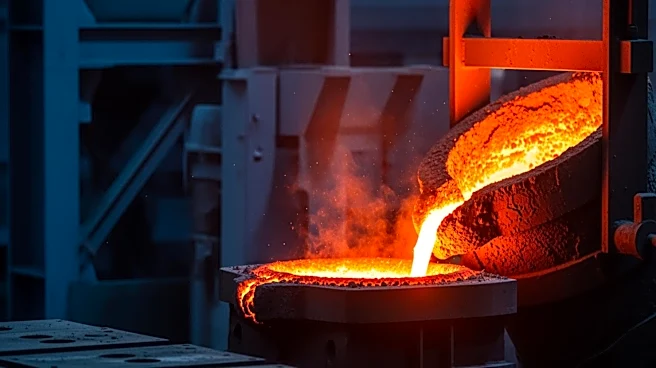
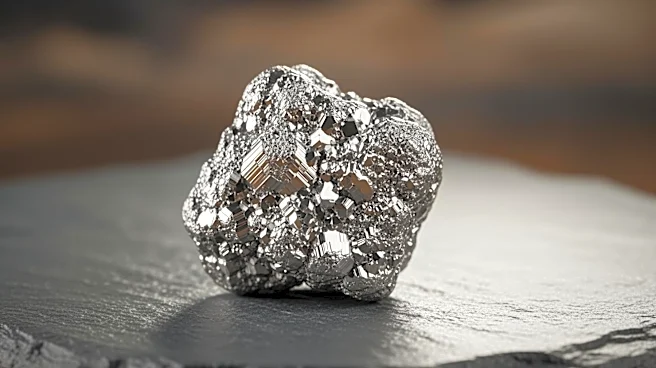
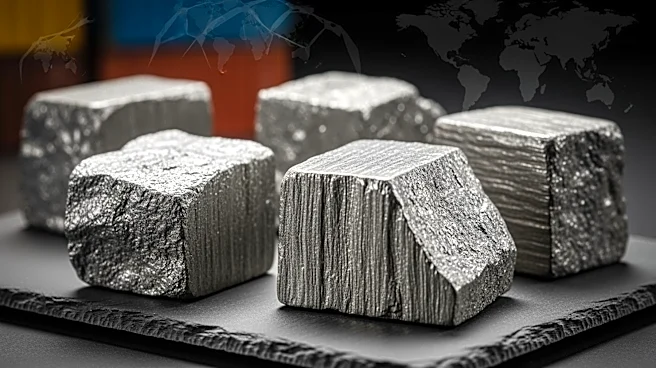
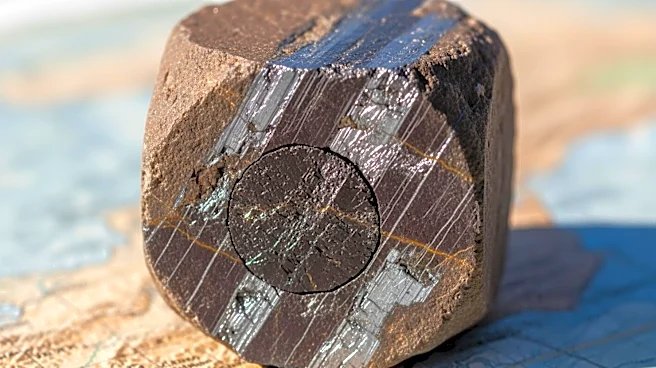
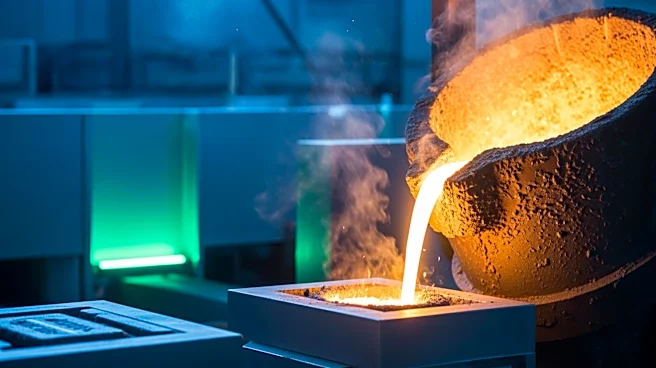
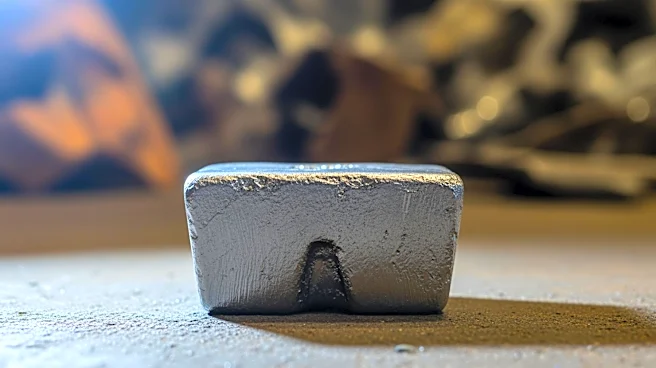
Rio Tinto and China Baowu have concluded trials using a hydrogen-based shaft furnace to produce direct reduced iron (DRI) from Pilbara Blend iron ore. These trials, part of a collaboration to reduce emissions in steelmaking, were conducted at Baowu's
Zhanjiang Steel Operations in China. The experiments demonstrate the potential of mid-grade ores from Western Australia's Pilbara region as feedstock for low-carbon steelmaking.
Why It's Important?
The successful trials represent a significant step towards decarbonizing the steel industry, which is a major contributor to global carbon emissions. By exploring hydrogen-based reduction methods, Rio Tinto and China Baowu are paving the way for more sustainable steel production. This development could influence industry standards and encourage other companies to adopt similar technologies, potentially leading to a reduction in the carbon footprint of steelmaking.
What's Next?
Following the successful trials, Rio Tinto and China Baowu may continue to refine and scale up the hydrogen-based reduction process. The companies could also explore further collaborations to enhance their decarbonization efforts. Industry stakeholders will likely monitor these developments closely, as they could set new benchmarks for sustainable practices in steel production.