







What's Happening?
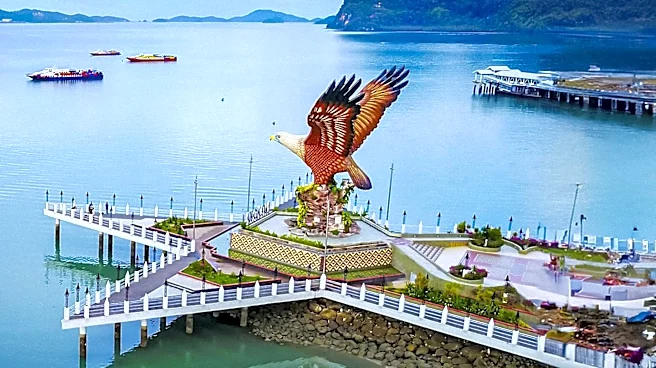
Langkawi, Malaysia, is highlighted as a prime destination for families due to its array of nature and recreational activities. The island offers attractions such as the Kilim nature park, where visitors can explore mangroves and take cruises around islets.
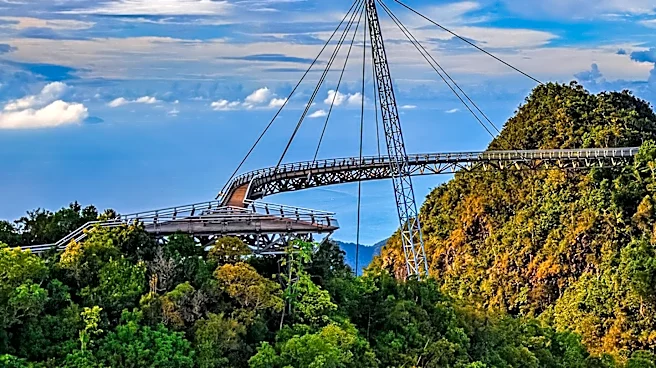
Another notable feature is the SkyCab cable car, which ascends to Gunung Machinchang, providing panoramic views from an elevation of 713 meters. These offerings position Langkawi as a versatile location catering to diverse interests, particularly those seeking outdoor adventures and scenic beauty. The destination is frequently recommended for its combination of natural exploration and engaging activities suitable for all ages, making it a popular choice for family vacations within Malaysia.
Why It's Important?
The identification of Langkawi as a family-friendly destination is important for the U.S. tourism industry and American travelers. As U.S. citizens increasingly seek international travel experiences, detailed insights into foreign destinations help in planning and decision-making. For travel agencies and tour operators in the U.S., this information can inform package development and marketing strategies, potentially increasing bookings to Southeast Asia. Furthermore, for American families, knowing about destinations like Langkawi that offer a blend of nature, adventure, and accessibility can influence their travel choices, diverting tourism dollars to regions that align with their preferences for safe and engaging family vacations. This also contributes to a broader understanding of global tourism trends and the types of experiences that appeal to the U.S. market.
What's Next?
The continued promotion of Langkawi's family-friendly attractions is likely to attract more international tourists, including those from the U.S. Travel agencies and tourism boards may further develop specialized packages that highlight the island's unique offerings, such as eco-tours of the Kilim mangroves or adventure activities around Gunung Machinchang. This could lead to increased direct flights or enhanced travel routes from major U.S. hubs to Malaysia, improving accessibility for American travelers. Additionally, as Langkawi gains more recognition, there might be an increase in investment in tourism infrastructure, including accommodations, dining, and recreational facilities, to cater to a growing international clientele. The focus on family-oriented tourism could also inspire other destinations to adapt similar strategies to attract this lucrative market segment.
Beyond the Headlines
Beyond its immediate appeal as a tourist spot, Langkawi's emphasis on nature and family activities reflects a broader trend in global tourism towards experiential and sustainable travel. For U.S. travelers, this aligns with a growing desire for authentic experiences that combine relaxation with educational and environmental engagement. The focus on natural parks and scenic views also highlights the importance of ecological preservation in attracting modern tourists. This approach could influence U.S. domestic tourism, encouraging the development of similar nature-based, family-oriented attractions. Ethically, promoting destinations that balance tourism with environmental conservation can foster a greater appreciation for global biodiversity among American visitors, potentially influencing their attitudes towards conservation efforts both abroad and at home.