






What's Happening?
Elizabeth Holmes, the convicted Theranos founder, made an unexpected phone call to filmmaker Nathan Fielder from prison, just before the release of his new documentary, 'You Can See Everything.' Fielder, who co-directed the film with Lance Oppenheim,
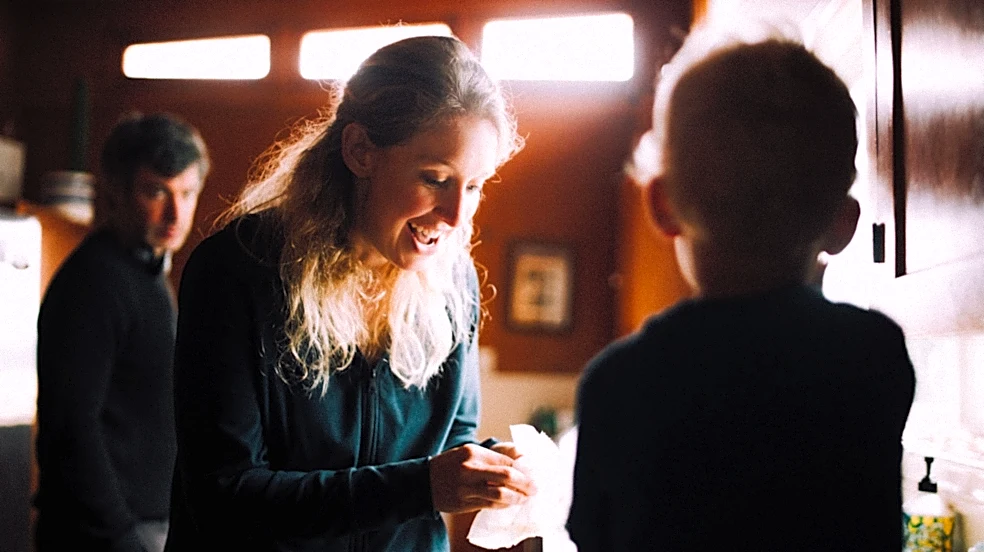
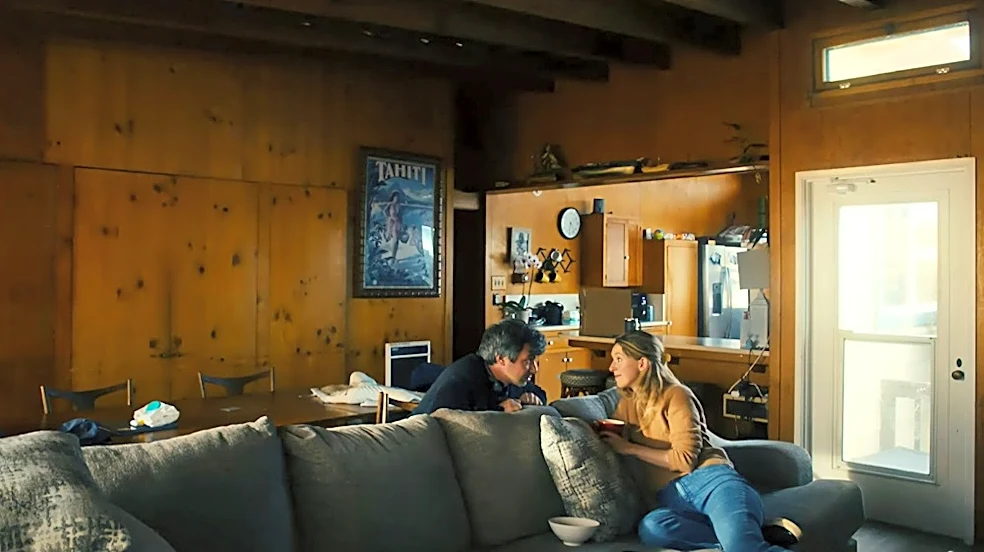
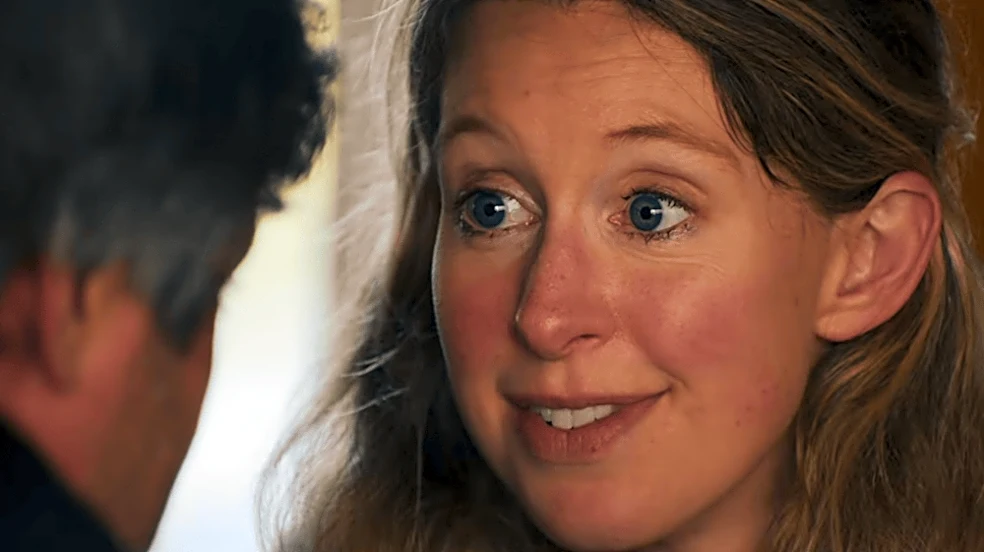
recounted receiving two missed calls and then a third from a prison number, which he answered. During their brief conversation, Holmes inquired about the reactions to the documentary and repeatedly told Fielder, 'I trust you.' Fielder admitted he was unsure of the exact meaning behind her statement, which left him pondering their complex interactions. The film explores the final weeks before Holmes began her prison sentence, capturing aspects of her family life and her interactions with Fielder and her partner, Billy Evans. Holmes' unexpected call has added another layer of intrigue to the narrative surrounding her and the documentary.
Why It's Important?
This cryptic prison call is significant because it adds a personal and ambiguous dimension to the public narrative surrounding Elizabeth Holmes, a figure who has been at the center of one of Silicon Valley's most closely watched criminal fraud cases. Her statement of 'I trust you' to a filmmaker who has documented her life before incarceration can be interpreted in multiple ways, potentially influencing public perception of both Holmes and the documentary itself. It highlights the ongoing human element within a story often dominated by legal and corporate complexities. For Fielder, the call made the film's story feel 'ongoing' and difficult to unravel, underscoring the challenges of objective storytelling when dealing with subjects who have a vested interest in their public image. This interaction also draws attention to the power dynamics between documentary filmmakers and their subjects, especially when the subject is incarcerated and facing public scrutiny.
What's Next?
The documentary 'You Can See Everything' is now in theaters, and Holmes' cryptic call is likely to be a point of discussion among viewers and critics. Fielder's public recounting of the call ensures it will be part of the ongoing conversation about Holmes and the film's portrayal of her. As Holmes remains incarcerated until at least August 2027, her ability to directly influence public perception is limited, making such indirect communications noteworthy. The call could prompt further analysis of her psychological state or her strategic attempts to shape her narrative. It also underscores the enduring public fascination with her story and the various ways individuals attempt to control their image, even from behind bars. The ambiguity of her message leaves room for continued speculation and interpretation.
Beyond the Headlines
Elizabeth Holmes' 'I trust you' message to Nathan Fielder delves into the psychological and ethical complexities of documentary filmmaking and public figures. It raises questions about the nature of trust, manipulation, and the construction of narrative in the public eye. Is Holmes genuinely expressing trust, or is it a calculated move to influence the film's reception or Fielder's future perceptions? This interaction highlights the inherent tension in documentaries between objective reporting and the subjective experiences of the subjects. It also touches upon the broader societal fascination with figures like Holmes, who embody both ambition and downfall, and how their personal communications can continue to shape their public legacy. The call serves as a reminder that even in highly publicized cases, there are often layers of personal interaction and unspoken motivations that complicate the straightforward telling of a story.